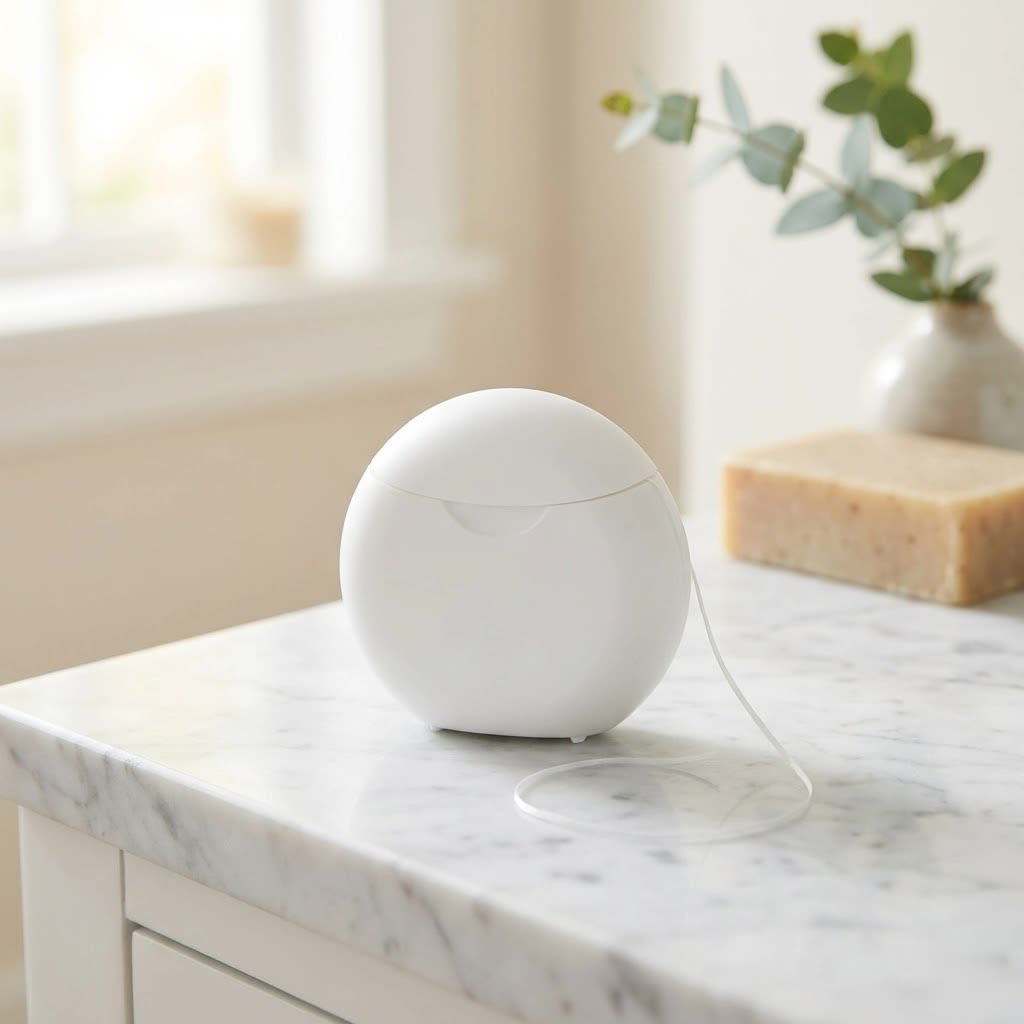
Stepping into the dental aisle can be overwhelming with countless options promising a brighter, healthier smile. Among them, dental floss remains a fundamental tool in our oral hygiene arsenal. But have you ever stopped to consider the workhorse of interdental cleaning – Nylon Dental Floss? With decades of proven effectiveness, it’s a staple for a reason, offering a reliable path to removing hidden plaque and food debris that your toothbrush simply can’t reach. This comprehensive guide will explore everything you need to know about nylon dental floss, from its various types and proper usage to how to choose the perfect one for your unique needs, ensuring you achieve that truly clean feeling and maintain optimal oral health.

What is Dental Floss, and Why Do You Need It?
Dental floss is a thin strand of material designed to clean between your teeth and along your gumline, areas that toothbrushes often miss. It plays a crucial role in maintaining good oral hygiene by dislodging food particles and removing plaque – a sticky film of bacteria that constantly forms on your teeth. Without daily flossing, this plaque can harden into tartar, leading to a host of preventable dental issues.
Integrating dental floss into your daily routine is paramount for strong teeth and gums. When you skip flossing, you leave approximately 40% of your tooth surfaces uncleaned, creating fertile ground for bacteria to thrive [cite: 5 in search 2]. This unchecked bacterial growth can lead to common problems like bad breath, gum inflammation (gingivitis), cavities (tooth decay), and eventually, more severe conditions such as periodontal disease and bone loss [cite: 1 in search 3]. Flossing not only removes debris but also stimulates your gums, promoting better circulation and overall gum health [cite: 2 in search 3].
Understanding the Different Types of Dental Floss
While the term “dental floss” might conjure a single image, this essential tool comes in various forms, primarily differentiated by their material and construction. Nylon dental floss stands as the most traditional and widely used type, known for its versatility and effectiveness.
Monofilament vs. Multifilament Floss: The Core Difference
|
Our Picks for the Best Dental Floss in 2026
We may earn a commission when you use one of our links to make a purchase.
|
||
| Num | Product | Action |
|---|---|---|
| 1 | Oral-B Glide Cool Mint Deep Clean Floss, 6 Count, Glide Dental Floss |

|
| 2 | REACH Waxed Dental Floss, Mint, Plaque Remover for Teeth, Shred Resistant, Floss Slides Smoothly, Easy to Use, Waxed, Deep Cleaning Teeth, Oral Care, PFAS Free, for Adults & Kids, 6 Pack, 55 yd |
|
| 3 | Oral-B Glide Floss Pro-Health 131.2 Yds Mint Value 3-Pack |
|
| 4 | DrTung's Smart Floss - Natural Dental Floss, PTFE & PFAS Free, Gentle on Gums, Expands & Stretches, BPA Free - Cardamom Flavor(Pack of 6) |
|
| 5 | Oral-B Glide Dental Floss, Shred Resistant, Gentle on Gums, Natural Wax, Slides Smoothly, Deep Clean Cool Mint Flavor, 40 M, 3 Count |
|
| 6 | DenTek Advanced Clean Floss Picks with No Break & No Shred Dental Floss, Plaque Remover, 150 Count |
|
| 7 | REACH Waxed Dental Floss, Mint, Plaque Remover for Teeth, Shred Resistant, Floss Slides Smoothly, Easy to Use, Waxed, Deep Cleaning Teeth, Oral Care, PFAS Free, for Adults & Kids, 1 Pack, 55 yd |
|
| 8 | REACH Ultraclean Dental Floss, Mint, Plaque Remover for Teeth, Shred Resistant, Waxed, Easy on Gums & Teeth, Mint, Oral Care, PFAS Free, for Adults & Kids, 6 Pack, 30 yd |
|
| 9 | Oral-B Glide Mint Dental Floss Picks with Long Lasting Scope Flavor, 3 Pack of 75 Picks (225 Total) |
|
| 10 | Oral-B Glide Dental Floss, Scope Mint Flavor, 40 m, Pack of 6 |
|
The primary distinction in floss construction lies between monofilament and multifilament. Nylon dental floss is typically multifilament, meaning it’s composed of many thin nylon strands tightly woven together [cite: 1 in search 1]. This design allows it to effectively grab and remove plaque and debris from tooth surfaces. In contrast, monofilament flosses, such as those made from PTFE (polytetrafluoroethylene), consist of a single, solid strand. While PTFE floss is known for its smooth glide and resistance to shredding, nylon’s multifilament nature offers a different cleaning sensation and grip.
Waxed Nylon Dental Floss
Waxed nylon floss is a popular choice for many, featuring thin nylon strands coated with a light layer of wax. This wax coating serves a dual purpose: it adds strength to the floss, making it less prone to fraying or breaking, and it helps the floss slide more easily between teeth.
- Pros:
- Easier Glide: The wax coating provides lubrication, allowing the floss to slip smoothly through tight contact points between teeth.
- Increased Durability: It’s sturdier than unwaxed floss, reducing the likelihood of shredding or snapping during use.
- Comfort: Many users find the smooth texture more comfortable, especially those with sensitive gums.
- Flavor Options: Often available in mint or other refreshing flavors, enhancing the flossing experience.
- Cons:
- Thicker Profile: The wax coating can make it slightly thicker, potentially challenging for extremely tight spaces.
- Less Tactile Feel: Some users prefer a more tactile “squeak” for feedback, which the wax can diminish.
Waxed nylon dental floss is ideally suited for individuals with average to slightly tight tooth spacing and those who appreciate a smoother, more durable floss that minimizes friction.
Unwaxed Nylon Dental Floss
Unwaxed nylon floss consists of multiple thin nylon strands without any wax coating, giving it a rougher texture. It’s typically thinner than its waxed counterpart and often flavorless.
- Pros:
- Fits Tight Spaces: Its thin composition allows it to easily navigate very narrow gaps between teeth.
- Better Grip: The non-slip texture provides a firmer grip, which some users find offers better control during flossing.
- Tactile Feedback: The lack of wax provides a more direct feel against the tooth surface, allowing you to “feel” the clean.
- Cons:
- Prone to Fraying: Without a wax coating, the multifilament strands can sometimes shred, fray, or break, especially when encountering jagged edges or tight contacts.
- Less Sturdy: It might be less robust than waxed floss, requiring more careful handling.
- Initial Discomfort: The rougher texture might cause temporary discomfort or slight bleeding for individuals new to flossing or with sensitive gums, though this often subsides with consistent use as gum health improves [cite: 2 in search 3].
Unwaxed nylon dental floss is a great choice for individuals with very tight teeth or those who prefer a more precise, tactile cleaning experience.
Specialty Nylon Flosses (e.g., Floss Picks, Dental Tape)
Nylon is also a common material found in various specialty dental floss products designed for convenience or specific needs. Dental tape, for instance, is a wider, flatter ribbon often made from nylon, which is excellent for cleaning larger gaps between teeth or around dental work like bridges. Floss picks, while offering convenience, often feature a small segment of nylon floss pre-strung on a plastic handle, making them easier to maneuver, especially for those with dexterity challenges [cite: 2 in search 1, 2 in search 3].
Comparing Nylon Dental Floss Varieties
Choosing the right dental floss involves understanding the nuances between different types. Here’s a detailed comparison to help you weigh your options:
| Feature | Waxed Nylon Dental Floss | Unwaxed Nylon Dental Floss |
|---|---|---|
| Material | Multifilament nylon strands with a wax coating | Multifilament nylon strands, no coating |
| Durability | Sturdier, less prone to shredding or breaking | Can fray, shred, or break more easily |
| Ease of Glide | Slides easily through tight spaces due to wax | May require more effort to insert, especially in tight spots |
| Cleaning Ability | Effective at plaque and food removal | Effective at plaque and food removal, good tactile feedback |
| Texture | Smooth, slippery | Slightly rough, more fibrous |
| Recommended For | Average to slightly tight spacing, sensitive gums, those preferring smooth action | Very tight spaces, those seeking maximum tactile feedback, good dexterity |
| Flavor Options | Often flavored (mint, cinnamon, etc.) | Typically unflavored |
| Price | Generally affordable | Generally affordable |
Ultimately, the best nylon dental floss for you is the one you are most likely to use consistently and correctly. Experimenting with both waxed and unwaxed options can help you discover your preference.
How to Use Nylon Dental Floss Correctly
Many people understand the importance of flossing, but mastering the correct technique is crucial for its effectiveness. Done correctly, daily flossing can significantly improve your oral health [cite: 3 in search 2].
Preparation and Getting Started
Begin with approximately 18 inches (about 45 centimeters) of dental floss. This length allows you to use a fresh section for each tooth without running out. Wrap most of the floss around your middle fingers on both hands, leaving about 1 to 2 inches (2.5 to 5 centimeters) taut between your thumbs and index fingers. This short, manageable segment will be your working section [cite: 1 in search 2, 2 in search 2, 3 in search 2, 4 in search 2].
Mastering the Flossing Technique
- Grip and Control: Pinch the floss tightly between your thumbs and forefingers. For upper teeth, use your index fingers to guide the floss; for lower teeth, use your thumbs.
- Gentle Insertion: Gently slide the floss between two teeth using a soft, saw-like or zigzag motion [cite: 2 in search 2, 4 in search 2]. Avoid snapping or forcing the floss down, as this can injure your gums [cite: 1 in search 2, 3 in search 2].
- The “C” Shape: Once the floss reaches your gumline, curve it around the side of one tooth, forming a “C” shape [cite: 1 in search 2, 2 in search 2, 3 in search 2, 5 in search 2]. This allows the floss to reach beneath the gumline, into the sulcus, where plaque often hides.
- Cleaning Motion: Rub the floss gently up and down against the side of the tooth, moving from the gumline to the top of the tooth, for several strokes [cite: 1 in search 2, 2 in search 2, 3 in search 2, 5 in search 2]. Then, repeat this “C” shape and up-and-down motion on the adjacent tooth surface.
- Advance the Floss: As you move from tooth to tooth, unroll a fresh, clean section of floss from one finger and wind the used section onto the other middle finger. This prevents transferring bacteria from one area of your mouth to another [cite: 1 in search 2, 2 in search 2]. Remember to clean both sides of every tooth.
Common Mistakes and How to Avoid Them
- Snapping the Floss: Forcing the floss between teeth can damage gum tissue, leading to irritation or bleeding. Always use a gentle, controlled sawing motion [cite: 1 in search 2, 2 in search 2].
- Not Reaching Beneath the Gumline: The goal isn’t just to remove food; it’s to scrape off the bacterial biofilm from the tooth surface, including just beneath the gumline [cite: 5 in search 2]. Ensure your C-shape motion extends slightly below the gumline.
- Using the Same Section of Floss: Reusing a dirty section of floss can spread bacteria. Always advance to a clean segment for each new tooth [cite: 1 in search 2, 2 in search 2].
- Ignoring Back Teeth: All teeth, especially molars, need thorough flossing. Don’t skip them because they’re harder to reach.
How Often Should You Floss?
The American Dental Association (ADA) recommends flossing at least once per day [cite: 1 in search 2]. Many dental professionals suggest flossing in the evening before brushing your teeth. Flossing first loosens plaque and food particles, allowing your toothbrush and toothpaste to more effectively sweep them away [cite: 1 in search 2, 3 in search 2].
“Flossing isn’t just about removing food caught between your teeth; it’s about disrupting the sticky bacterial film—plaque—that causes cavities and gum disease. Consistency is far more important than perfection.” – Dr. Elena Petrova, Lead Dentist, City Dental Clinic
Where to Buy Nylon Dental Floss? Price Considerations
Nylon dental floss is widely available, making it one of the most accessible oral hygiene products. You can find it in almost any location where personal care items are sold.
Common Retail Channels:
- Pharmacies and Drugstores: Major chains like CVS, Walgreens, and local pharmacies stock a wide variety of nylon floss, including both waxed and unwaxed options, from various brands.
- Supermarkets and Grocery Stores: Most large grocery stores have dedicated dental care aisles where you’ll find numerous dental floss choices.
- Online Retailers: Websites like Amazon, Walmart.com, and Target.com offer extensive selections, often with bulk purchasing options and competitive pricing. This can be a convenient way to compare brands and read reviews.
- Specialty Oral Care Stores: Some stores focus exclusively on dental and oral hygiene products, potentially offering a broader or more curated selection.
Price Considerations:
Nylon dental floss is generally one of the most affordable types of floss on the market. A typical dispenser of nylon floss can range from $2 to $6. Factors influencing the price include:
- Brand: Well-known brands might be slightly more expensive than generic or store-brand options.
- Length: Larger spools of floss (e.g., 100 yards vs. 50 yards) will cost more upfront but offer better value per use.
- Waxing/Flavoring: While often included in the standard price, some specialty waxed or flavored nylon flosses might be at the higher end of the range.
- Multi-packs/Subscriptions: Buying in multi-packs or signing up for subscription services (if available for specific brands) can often lead to savings.
When choosing, remember that a higher price doesn’t always equate to superior performance, especially with a fundamental product like nylon floss. Focus on finding a product that feels comfortable and encourages consistent use.
Buying Guide: Key Factors for Choosing Your Ideal Nylon Dental Floss
Selecting the perfect nylon dental floss doesn’t have to be a guessing game. By considering a few key factors, you can make an informed choice that suits your personal needs and oral health goals.
Matching Floss Type to Your Needs
- For Tight Spaces: If your teeth are closely spaced, unwaxed nylon floss or a very thin waxed nylon floss can be easier to maneuver without forcing it. The thinness of unwaxed floss helps it slip into narrow contacts.
- For Sensitive Gums: If you experience gum sensitivity or bleeding, a waxed nylon floss might offer a gentler experience due to its smoother glide [cite: 2 in search 3]. However, some with very sensitive gums might prefer the extra-gentle feel of silk or PTFE.
- For Robust Cleaning: Both waxed and unwaxed nylon floss are highly effective at plaque removal. If you prefer a “grip” and tactile scrubbing action, unwaxed might appeal more. If you prefer smooth movement, go for waxed.
Material Quality and Construction
Look for nylon floss that feels strong and durable. While unwaxed nylon is known for potential fraying, a good quality product should minimize this. Waxed nylon should have a consistent, smooth coating. Consider the strength of the multifilament strands – you want them to hold up to the task without snapping. Some newer nylon flosses, like Nylon-4, are even designed with biodegradability in mind for eco-conscious users [cite: 2 in search 1].
Reputable Brands
Choosing floss from reputable oral care brands often ensures consistent quality and adherence to safety standards. Brands like Johnson & Johnson (Listerine Floss) and Tom’s of Maine are well-established and trusted in the dental hygiene market [cite: 2 in search 3, 3 in search 3, 4 in search 3]. While independent reviews can be helpful, your dentist or hygienist’s recommendation is often the most valuable.
Flavor and Personal Preference
Dental floss comes in a variety of flavors, most commonly mint, but also cinnamon or even fruit flavors. While flavor doesn’t impact cleaning efficacy, it can make the flossing experience more pleasant and encourage consistent use. If you dislike strong flavors, unflavored nylon floss is readily available. The tactile feel – whether you prefer a smooth, slick glide or a slightly grippier texture – is also a purely personal choice that influences long-term adherence.
Budget Considerations
Nylon dental floss is typically an affordable oral hygiene product. While it’s wise to invest in your oral health, you don’t necessarily need the most expensive option. Compare unit prices (cost per yard/meter) to find the best value, especially if you plan to buy in bulk. Remember, consistency in flossing, regardless of the brand, is far more impactful than the price tag.
Top 3 Nylon Dental Flosses Reviewed
Choosing the “best” dental floss is highly personal, but based on their characteristics and common preferences for nylon-based products, here are three top considerations:
1. Tom’s of Maine Naturally Waxed Antiplaque Flat Dental Floss
Tom’s of Maine is known for its commitment to natural ingredients, and their waxed antiplaque floss is a strong contender in the nylon category.
- Pros: Made from nylon, this floss incorporates natural waxes like beeswax, carnauba, and jojoba wax, and is free from artificial preservatives, colors, and flavors [cite: 4 in search 3]. Its flat, thick design makes it durable and resistant to snapping or fraying, gliding easily between teeth while being gentle on gums [cite: 4 in search 3]. It often comes in a refreshing spearmint flavor.
- Cons: The flat and slightly thicker nature might be challenging for individuals with extremely tight interdental spaces. Some natural waxes can occasionally leave a slight residue.
- Price: Mid-range for dental floss, offering good value for its natural ingredient profile.
- User Reviews: Praised for its strength, smooth glide, and natural composition, making it a favorite for those seeking an effective yet eco-conscious option.
2. Johnson & Johnson Listerine Floss (Waxed Nylon)
Formerly known as Reach Floss, Listerine Floss from Johnson & Johnson is a classic and widely recognized waxed nylon floss that has been a staple in many households for years.
- Pros: This waxed floss is well-regarded for its smooth texture that allows it to glide easily between teeth, making the flossing process comfortable and efficient [cite: 2 in search 3]. It has a good stretch, which can contribute to a thorough cleaning, and its light wax coating helps in effectively wiping away plaque [cite: 3 in search 3]. It’s widely available and often comes in a pleasant mint flavor.
- Cons: Being a waxed floss, it might still present a slight challenge for those with exceptionally tight contacts, although its design aims for smooth insertion.
- Price: Very affordable, often found in multi-packs, offering excellent value.
- User Reviews: Consistently praised by long-term users and dental hygienists for its reliability, ease of use, and effective plaque removal.
3. High-Quality Unwaxed Nylon Floss (Generic/Store Brand Options)
While a specific, universally “top” unwaxed nylon brand isn’t as prominently cited as waxed options, many generic or store brands offer excellent unwaxed nylon floss that excels in specific scenarios.
- Pros: Characterized by its thin, multifilament construction without a wax coating, it’s perfect for navigating extremely tight spaces where waxed floss might struggle. The lack of wax provides a superior tactile feel, allowing users to effectively “scrub” tooth surfaces and feel the plaque being removed. It’s often the most economical choice.
- Cons: The primary drawback is its increased propensity to fray or shred, especially with rough tooth surfaces or tight contacts. It requires a gentler, more controlled technique to prevent breakage.
- Price: Typically the most budget-friendly option available.
- User Reviews: Appreciated by users with very crowded teeth or those who prefer the direct, grippy feel for a thorough clean.
Conclusion
Nylon dental floss, whether waxed or unwaxed, remains an indispensable tool for maintaining stellar oral hygiene. By venturing beyond your toothbrush, you tackle the hidden plaque and food particles nestled between teeth and beneath the gumline, directly combating cavities, gum disease, and bad breath. The key lies in understanding the subtle differences between waxed nylon’s smooth glide and unwaxed nylon’s precise, tactile cleaning, and then applying the correct flossing technique consistently.
Making daily flossing a non-negotiable part of your routine is a small effort with immense long-term benefits for your smile and overall health. Don’t be afraid to experiment with different types and brands to find what feels most comfortable and effective for you. After all, a confident smile starts with a commitment to comprehensive care. What small change will you make today to improve your flossing habit?
Câu Hỏi Thường Gặp
Is nylon dental floss safe to use daily?
Yes, nylon dental floss is perfectly safe for daily use and is highly recommended by dental professionals. When used correctly with a gentle technique, it effectively removes plaque and food debris without harming your gums. Consistent daily flossing is a cornerstone of good oral hygiene.
Can nylon dental floss get stuck between teeth?
While all types of floss can occasionally get caught in very tight spaces or around rough tooth surfaces, unwaxed nylon floss is more prone to fraying or shredding compared to waxed or PTFE floss. Using a gentle, sawing motion rather than snapping the floss can help prevent it from getting stuck.
Should I choose waxed or unwaxed nylon floss?
Your choice depends on your teeth spacing and preference. Waxed nylon floss glides more easily and is sturdier, ideal for average to slightly tight contacts. Unwaxed nylon is thinner and offers better tactile feedback, making it suitable for very tight spaces, but it may fray more easily.
How does nylon floss compare to PTFE floss?
Nylon floss is multifilament (multiple strands) and can be very effective, though some unwaxed varieties may fray. PTFE (polytetrafluoroethylene) floss is monofilament (single strand), known for its smooth glide, toughness, and resistance to shredding, often preferred for very tight spaces or sensitive gums.
Is there an eco-friendly nylon dental floss?
Traditional nylon floss is less sustainable, but innovations are emerging. Some brands are developing biodegradable nylon options, such as Nylon-4, which offers performance benefits while addressing environmental concerns [cite: 2 in search 1]. Look for brands specifically highlighting eco-friendly or biodegradable nylon.