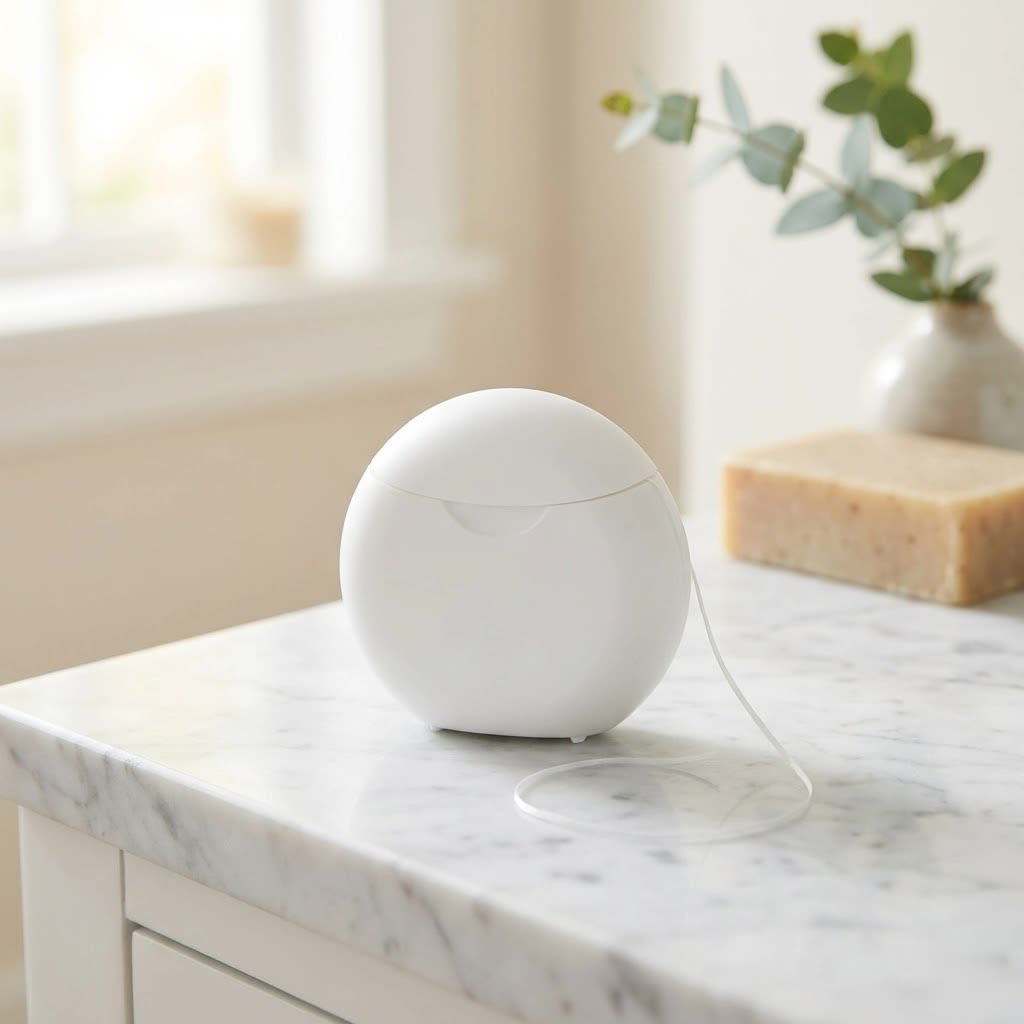
Maintaining optimal oral hygiene is a cornerstone of a healthy life, and few tools are as essential as dental floss for reaching those elusive spaces between teeth. Among the myriad options available, PTFE (polytetrafluoroethylene) dental floss has carved out a niche, primarily due to its signature smooth glide. Often hailed for its ease of use, especially for those with tight contacts or dental work, this modern marvel promises a hassle-free flossing experience. However, beneath its sleek surface lies a growing debate concerning its composition and potential long-term health implications. As we delve into the world of Ptfe Dental Floss, we’ll explore its unique benefits, address the rising concerns, and help you navigate your choices for a truly healthy smile.

What is PTFE Dental Floss? Why is it Unique?
PTFE dental floss, an acronym for polytetrafluoroethylene, is a synthetic dental care product renowned for its distinctive smooth texture. This material is widely recognized for its non-stick properties, being the same polymer used in high-tech fabrics like Gore-Tex and non-stick cookware such as Teflon. Unlike traditional nylon floss which is typically made from multiple interwoven strands, PTFE floss is a monofilament – a single, strong strand [cite: 1.1, 2.1, 2.3].
This unique monofilament construction offers several key advantages in daily oral hygiene. The smooth surface of PTFE floss allows it to glide effortlessly between even the tightest teeth, making it an excellent choice for individuals with crowded mouths, dental braces, bridges, or other restorative dental work that can make flossing challenging. Its singular strand design also means it’s highly resistant to shredding, breaking, or fraying, providing a more durable and reliable flossing experience compared to some multi-filament varieties [cite: 1.1, 1.4, 2.1, 2.3, 3.1]. This combination of easy glide and superior strength has made PTFE floss a popular option for many seeking comfort and efficiency in their oral care routine.
The Controversy: PTFE Dental Floss and PFAS
Despite its lauded performance, PTFE dental floss has become a subject of considerable debate, primarily due to its connection with per- and polyfluoroalkyl substances, commonly known as PFAS. These are a group of synthetic chemicals, sometimes referred to as “forever chemicals” because they break down very slowly in the environment and human body [cite: 3.3, 4.4].
PTFE itself is a type of PFAS, and studies have indicated a potential link between using PTFE dental floss and elevated levels of PFAS in the body. For instance, research published in the Journal of Exposure Science and Environmental Epidemiology found higher levels of a specific PFAS (perfluorohexanesulfonic acid) in women who reported using PTFE floss [cite: 1.5, 2.3, 3.3, 5.1].
The health concerns associated with PFAS exposure are significant and wide-ranging. These chemicals are suspected carcinogens and endocrine disruptors, meaning they can interfere with the body’s hormone systems [cite: 1.1, 1.2, 1.3, 1.5, 2.3, 3.3, 4.4]. Potential adverse health effects linked to PFAS include:
- Increased risk of kidney and testicular cancers [cite: 1.5, 3.3, 4.4].
- Weakened immune system and reduced vaccine response [cite: 1.3, 4.4].
- Increased cholesterol levels [cite: 1.3, 4.4].
- Liver damage [cite: 1.3].
- Hormonal disruptions, affecting fertility in men and women [cite: 1.1, 1.2, 1.5, 4.4].
- Developmental issues in children, including affecting growth, learning, and behavior [cite: 1.5, 4.4].
- Ulcerative colitis [cite: 1.5].
“Once they are in the body, they hang around for a few years,” notes one expert, highlighting the persistent nature of these chemicals and the concern that even low levels can accumulate over time [cite: 1.5]. Beyond personal health, PTFE’s non-biodegradable nature also raises environmental concerns, as these persistent chemicals can leach into the environment [cite: 1.4]. Given these potential risks, many oral health professionals now recommend opting for non-PTFE floss products [cite: 1.2, 2.3, 3.3]. Some major dental care brands, acknowledging these concerns, have also begun reformulating their dental floss products to phase out PTFE [cite: 1.5, 2.2].
Pros and Cons of PTFE Dental Floss
When considering PTFE dental floss, it’s important to weigh its functional benefits against the emerging health and environmental concerns.
| Feature | Pros of PTFE Dental Floss | Cons of PTFE Dental Floss |
|---|---|---|
| Glide & Ease of Use | Exceptional Smoothness: Glides effortlessly through tight spaces and around dental work like braces or bridges, reducing friction and discomfort [cite: 1.1, 1.2, 1.4, 2.1, 2.3, 3.1, 3.2, 3.4]. Comfortable: Users often report a more comfortable flossing experience compared to traditional floss [cite: 5.5]. |
|
| Durability | * Shred-Resistant: Less prone to fraying, breaking, or shredding during use due to its monofilament construction, ensuring efficient cleaning without interruption [cite: 1.1, 1.4, 2.1, 2.3, 3.1, 3.2, 3.4]. | |
| Effectiveness | * Efficient Plaque Removal: Effectively removes plaque and food particles from interdental spaces and along the gumline [cite: 1.4, 2.5]. | |
| Health Concerns | Contains PFAS: Made with polytetrafluoroethylene (PTFE), a per- and polyfluoroalkyl substance (PFAS), linked to serious health risks [cite: 1.1, 1.2, 1.3, 1.5, 2.3, 3.3, 3.5, 4.3, 4.4]. Potential Health Risks: Exposure to PFAS is associated with kidney and testicular cancer, reduced immunity, hormonal disruption, and other adverse effects [cite: 1.1, 1.2, 1.3, 1.5, 2.3, 3.3, 3.5, 4.4]. |
|
| Environmental Impact | * Non-Biodegradable: PTFE is not biodegradable, contributing to environmental pollution and the persistence of “forever chemicals” [cite: 1.4]. | |
| Cost | * Generally More Expensive: Tends to be pricier than conventional nylon floss options [cite: 1.4, 2.2, 3.1, 3.2]. |
How to Use Dental Floss Correctly (Applicable to All Types)
Regardless of the type of floss you choose, mastering the correct flossing technique is crucial for effective plaque removal and gum health. Many people believe they are flossing correctly, but slight adjustments can make a significant difference.
Prepare Before You Start
|
Our Picks for the Best Dental Floss in 2026
We may earn a commission when you use one of our links to make a purchase.
|
||
| Num | Product | Action |
|---|---|---|
| 1 | REACH Waxed Dental Floss, Mint, Plaque Remover for Teeth, Shred Resistant, Floss Slides Smoothly, Easy to Use, Waxed, Deep Cleaning Teeth, Oral Care, PFAS Free, for Adults & Kids, 1 Pack, 55 yd |

|
| 2 | Oral-B Glide Cool Mint Deep Clean Floss, 6 Count, Glide Dental Floss |
|
| 3 | REACH Waxed Dental Floss, Mint, Plaque Remover for Teeth, Shred Resistant, Floss Slides Smoothly, Easy to Use, Waxed, Deep Cleaning Teeth, Oral Care, PFAS Free, for Adults & Kids, 6 Pack, 55 yd |
|
| 4 | Oral-B Glide Floss Pro-Health 131.2 Yds Mint Value 3-Pack |
|
| 5 | DenTek Advanced Clean Floss Picks with No Break & No Shred Dental Floss, Plaque Remover, 150 Count |
|
| 6 | Oral-B Glide Mint Dental Floss Picks with Long Lasting Scope Flavor, 3 Pack of 75 Picks (225 Total) |
|
| 7 | Oral-B Glide Dental Floss, Shred Resistant, Gentle on Gums, Natural Wax, Slides Smoothly, Deep Clean Cool Mint Flavor, 40 M, 3 Count |
|
| 8 | REACH Ultraclean Dental Floss, Mint, Plaque Remover for Teeth, Shred Resistant, Waxed, Easy on Gums & Teeth, Mint, Oral Care, PFAS Free, for Adults & Kids, 6 Pack, 30 yd |
|
| 9 | DrTung's Smart Floss - Natural Dental Floss, PTFE & PFAS Free, Gentle on Gums, Expands & Stretches, BPA Free - Cardamom Flavor(Pack of 6) |
|
| 10 | Oral-B Glide Dental Floss, Scope Mint Flavor, 40 m, Pack of 6 |
|
Begin with approximately 18 to 24 inches (45-60 cm) of dental floss. This length provides enough clean sections for each tooth. Wrap most of the floss around your middle fingers, leaving about one to two inches (2-5 cm) to work with. Hold this working section tightly between your thumbs and index fingers [cite: 2.1, 2.2, 2.4].
Master the Flossing Technique
- Gently Guide: Carefully guide the floss between two teeth using a soft back-and-forth motion. Avoid snapping the floss down forcefully, which can injure your gums [cite: 2.1, 2.2, 2.4].
- Hug Each Tooth: Once the floss reaches your gumline, curve it into a C-shape against one side of the tooth. Gently slide the floss up and down along the side of the tooth, making sure to go slightly beneath the gumline. This “hugging” motion scrapes away plaque and food debris effectively [cite: 2.1, 2.2, 2.4].
- Clean Both Sides: Repeat the C-shape and up-and-down motion on the adjacent tooth surface before carefully removing the floss.
- Use a Clean Section: Unwind a fresh section of floss for each new tooth to avoid transferring bacteria. Don’t forget to floss behind your back teeth [cite: 2.2, 2.4].
- Rinse: After flossing all your teeth, rinse your mouth with water or mouthwash to wash away dislodged particles [cite: 2.1, 2.4].
Common Flossing Mistakes and How to Fix Them
- Forcing the Floss: Never force the floss, especially when it feels tight. This can damage your gums. Gently work it through with a sawing motion [cite: 2.1].
- Ignoring the Gumline: The most crucial area for plaque removal is just beneath the gumline. Ensure you curve the floss and go slightly below it [cite: 2.2, 2.4].
- Using the Same Floss Section: Reusing floss spreads bacteria. Always advance to a clean section [cite: 2.2].
- Not Flossing Behind Back Teeth: These areas are often overlooked but are just as susceptible to plaque buildup.
How Often Should You Floss?
The general recommendation is to floss at least once a day. This helps remove plaque and food particles that brushing alone might miss, significantly contributing to the prevention of cavities and gum disease [cite: 2.2, 2.4]. You can floss before or after brushing, based on your personal preference. The most important thing is consistency.
Alternatives to PTFE Dental Floss: Safer Choices for Your Smile
Given the growing concerns surrounding PFAS in PTFE dental floss, many individuals are actively seeking safer, more natural alternatives. Fortunately, the market offers a wide array of options that effectively clean your teeth without the controversial chemicals.
Here are some popular types of dental floss that often come in PFAS-free formulations:
- Nylon Floss (Waxed & Unwaxed): This is the most traditional type of floss, made from multiple strands of nylon fibers. Waxed nylon floss slides more easily between teeth, while unwaxed nylon is thinner and can fit into very tight spaces, though it may be more prone to shredding [cite: 1.1, 2.2, 2.5, 4.4]. Many brands offer PFAS-free nylon options.
- Woven Floss: Often thicker and softer, woven floss (sometimes made from polyester or silk) can be very effective at capturing plaque. Brands like Cocofloss are known for their textured, woven designs and are explicitly PFAS-free [cite: 3.1, 4.4, 5.1, 5.5].
- Silk Floss: A natural and biodegradable option, silk floss is known for its soft texture, making it suitable for individuals with sensitive gums. It’s often coated with natural waxes like beeswax [cite: 5.5].
- Dental Tape: Wider and flatter than standard floss, dental tape is ideal for individuals with larger gaps between their teeth or sensitive gums. It provides a broader surface area for cleaning and is less likely to cut into the gums [cite: 1.1, 2.5, 4.4].
- Super Floss: Designed specifically for individuals with braces, bridges, or wider gaps, super floss features a stiffened end for easy threading, a spongy middle for cleaning around dental work, and a regular floss section [cite: 1.1, 2.5, 4.4].
- Floss Picks: Convenient for on-the-go cleaning, floss picks combine a small piece of floss on a plastic handle. While very easy to use, they may not offer the same comprehensive cleaning as traditional string floss in all areas [cite: 2.5, 3.2, 4.4].
- Water Flossers: These devices use a stream of pressurized water to remove food particles and plaque. While not a direct replacement for string floss, they are an excellent supplement, especially for those with braces, implants, or gum disease [cite: 1.1].
When choosing an alternative, look for explicit “PFAS-free” or “PTFE-free” labels on the packaging. Brands like Dr. Tung’s (Smart Floss, Activated Charcoal Vegan Floss), Cocofloss, Tom’s of Maine, The Humble Co., Desert Essence, Boka Floss, Eco-Dent, and Radius Vegan are often cited for offering PFAS-free dental floss options, utilizing materials like polyester, natural silk, or nylon coated with plant-based waxes or beeswax [cite: 3.1, 4.4, 5.1, 5.4, 5.5]. Switching to these alternatives allows you to maintain diligent oral hygiene while minimizing exposure to potentially harmful chemicals.
Buying Guide: Key Factors for Choosing the Right Dental Floss
Selecting the ideal dental floss can feel overwhelming with so many options available. However, by considering a few key factors, you can make an informed decision that best suits your oral health needs and personal preferences.
1. Identify Your Personal Dental Needs
- Tight Spaces/Crowded Teeth: If you have very close-fitting teeth, a smooth, thin floss is essential. While PTFE floss excels here, consider waxed nylon or specially designed thin, woven PFAS-free options that can navigate these areas without shredding.
- Sensitive Gums or Bleeding: Opt for soft, gentle flosses like silk or woven varieties. A waxed coating can also make the floss glide more smoothly, reducing irritation. Ensure your technique is gentle to avoid exacerbating sensitivity.
- Braces, Bridges, or Implants: Super floss with its stiffened end and spongy sections is often recommended for these situations. Floss threaders can also assist in getting regular floss under wires and around dental work.
- Wider Gaps: Dental tape or thicker woven flosses can be more effective at cleaning larger interdental spaces.
2. Material Considerations: Prioritize PFAS-Free
This is a critical factor, especially in light of the concerns surrounding PTFE floss.
- PTFE (Polytetrafluoroethylene): While smooth and shred-resistant, it contains PFAS chemicals linked to various health issues. Consider if the convenience outweighs the potential risks for you. Many dentists now advise against it [cite: 1.2, 2.3, 3.3].
- Nylon: A common and affordable choice, available waxed or unwaxed. Look for brands that explicitly state they are PFAS-free.
- Silk: A natural, biodegradable option that is soft and gentle.
- Polyester/Other Plant-Based Fibers: Many eco-friendly and PFAS-free flosses use these materials, often coated with natural waxes.
3. Brand Reputation and Transparency
Choose brands known for their commitment to health and safety. Look for certifications or clear statements regarding material sourcing and the absence of harmful chemicals like PFAS. Brands that are transparent about their ingredients empower you to make safer choices.
4. Flavor (If Preferred)
Many flosses come in mint, cinnamon, or other flavors, which can make the flossing experience more pleasant and encourage consistent use. Ensure that the flavorings are natural and don’t contain artificial ingredients you wish to avoid.
5. Cost vs. Value
PTFE floss can sometimes be more expensive [cite: 1.4]. While cost is a factor, prioritize oral health benefits and safety. Investing in a high-quality, PFAS-free floss is an investment in your overall well-being. Consider multi-packs or subscription services for potential savings on preferred brands.
By carefully evaluating these aspects, you can confidently select a dental floss that not only effectively cleans your teeth but also aligns with your health consciousness and environmental values.
Top PFAS-Free Dental Floss Brands Recommended Today
Choosing a dental floss free from PFAS doesn’t mean compromising on effectiveness or comfort. Several reputable brands now offer excellent alternatives that prioritize both your oral health and overall well-being. Here are some top-rated PFAS-free options:
-
Dr. Tung’s Smart Floss:
- Description: This innovative floss is made from natural silk or polyester fibers that expand during use, providing a larger surface area for enhanced plaque removal. It’s often coated with natural plant waxes and comes in a natural cardamom flavor [cite: 3.1, 5.1].
- Pros: Expands to clean effectively, soft and gentle on gums, excellent for various tooth spacings, explicitly PFAS-free.
- Cons: Some users might find the expanding nature takes a little getting used to.
- User Reviews: Highly praised for its unique cleaning action and being a gentle yet effective alternative.
-
Cocofloss:
- Description: Developed by a dentist, Cocofloss features hundreds of textured, woven coconut fibers designed to scrub away plaque more effectively. It’s infused with coconut oil for its antimicrobial properties and comes in appealing flavors [cite: 3.1, 4.4, 5.1, 5.5].
- Pros: Highly effective at plaque removal due to texture, pleasant flavors, made with natural ingredients, cruelty-free, paraben-free, SLS-free, and proudly PFAS-free [cite: 3.1, 5.1].
- Cons: Can be thicker, making it challenging for extremely tight contacts for some users. Generally at a higher price point.
- User Reviews: Dentists highly recommend it for its cleaning power and enjoyable experience.
-
Tom’s of Maine Antiplaque Floss:
- Description: Tom’s of Maine offers nylon floss coated with natural waxes like beeswax, carnauba palm wax, jojoba oil, and myrrh resin extract. It’s known for its commitment to natural ingredients and environmental responsibility [cite: 4.4, 5.1].
- Pros: Readily available, uses natural waxes, effective plaque removal, recognized as a “better” or “best” option in PFAS tests [cite: 4.4].
- Cons: May not glide as smoothly as PTFE for some users with very tight teeth.
- User Reviews: A reliable and natural choice for everyday flossing.
-
Boka Floss:
- Description: Crafted with vegetable wax, Boka Floss is explicitly free of PTFE and petroleum. It’s designed to provide a smooth glide while adhering to a clean ingredient philosophy [cite: 5.1].
- Pros: Vegan-friendly, PTFE and petroleum-free, smooth feel.
- Cons: May be less widely available in physical stores than some other brands.
- User Reviews: Appreciated by those looking for a truly “clean” and effective flossing option.
-
Reach Waxed Dental Floss (PFAS-Free Versions):
- Description: While some older Reach products may have contained PTFE, newer formulations (or specific lines) are marketed as PFAS-free and dentist-recommended. These typically feature a micro-filament design with a light wax coating for smooth gliding and shred resistance [cite: 3.1].
- Pros: Classic, widely recognized brand, now offering PFAS-free options, shred-resistant, good for tight spaces.
- Cons: Users should double-check packaging to ensure they are purchasing the PFAS-free version, as product lines can vary.
- User Reviews: A go-to for many who want a reliable and now safer waxed floss.
Choosing any of these alternatives can provide an effective and comfortable flossing experience while steering clear of the potential health and environmental drawbacks associated with PTFE.
Conclusion
The journey to optimal oral health is an ongoing commitment, and selecting the right dental floss is a pivotal step. While PTFE dental floss, with its celebrated smooth glide and shred-resistant nature, has offered convenience to many, particularly those with challenging dental work or crowded teeth, the emerging data regarding its PFAS content necessitates a careful reconsideration. The link between PFAS exposure and a spectrum of adverse health effects, alongside environmental concerns, casts a shadow over this popular choice.
However, the good news is that innovation in dental care has provided a wealth of excellent, effective, and health-conscious alternatives. From expanding natural silk flosses to textured, woven options and traditional nylon varieties, a wide range of PFAS-free products are readily available to ensure your smile remains both clean and safe. By understanding your unique dental needs and prioritizing products free from potentially harmful chemicals, you can make an informed decision that supports your long-term health and well-being.
Ultimately, the best dental floss is the one you will use consistently and correctly. So, what type of dental floss will you choose to safeguard your smile today?
Câu Hỏi Thường Gặp
Is PTFE dental floss considered safe by all dental professionals?
No, not all dental professionals consider PTFE floss safe. While some acknowledge its ease of use, many oral health experts now advise caution or recommend non-PTFE alternatives due to concerns about PFAS chemicals and their potential health risks, including links to various cancers and hormonal disruptions [cite: 1.2, 2.3, 3.3].
What are PFAS and why are they a concern in dental floss?
PFAS (per- and polyfluoroalkyl substances) are a group of synthetic chemicals known as “forever chemicals” because they persist in the environment and human body [cite: 3.3, 4.4]. They are a concern in dental floss made with PTFE because studies suggest they can leach from the floss and accumulate in the body, potentially leading to health issues such as kidney and testicular cancer, immune system weakening, and hormonal imbalance [cite: 1.5, 3.3, 4.4].
How can I tell if my dental floss contains PTFE or PFAS?
Look for “PTFE” or “polytetrafluoroethylene” listed in the ingredients. Some brands, like those marketed as “glide” floss, historically contained PTFE. Many manufacturers are now explicitly labeling their products as “PFAS-free” or “PTFE-free” to reassure consumers. If unsure, contact the manufacturer or opt for brands known for their transparency regarding ingredients [cite: 1.5, 2.2, 5.1].
Are there any natural or biodegradable dental floss options that are effective?
Yes, there are several effective natural and biodegradable floss options available. Silk floss, often coated with natural beeswax, is a popular choice. Many brands also offer floss made from plant-based fibers or polyester coated with natural waxes like candelilla or jojoba. These alternatives are designed to break down more easily and are typically PFAS-free [cite: 4.4, 5.1, 5.5].
Does switching from PTFE floss really make a difference to my health?
Switching to PFAS-free floss can contribute to reducing your overall exposure to these persistent chemicals. While dental floss is one source of PFAS, these chemicals are ubiquitous. Minimizing exposure from all possible sources, including personal care products, is a recommended strategy by health experts to lower your body burden of PFAS and potentially mitigate associated health risks [cite: 1.3, 2.3, 3.3, 4.4].