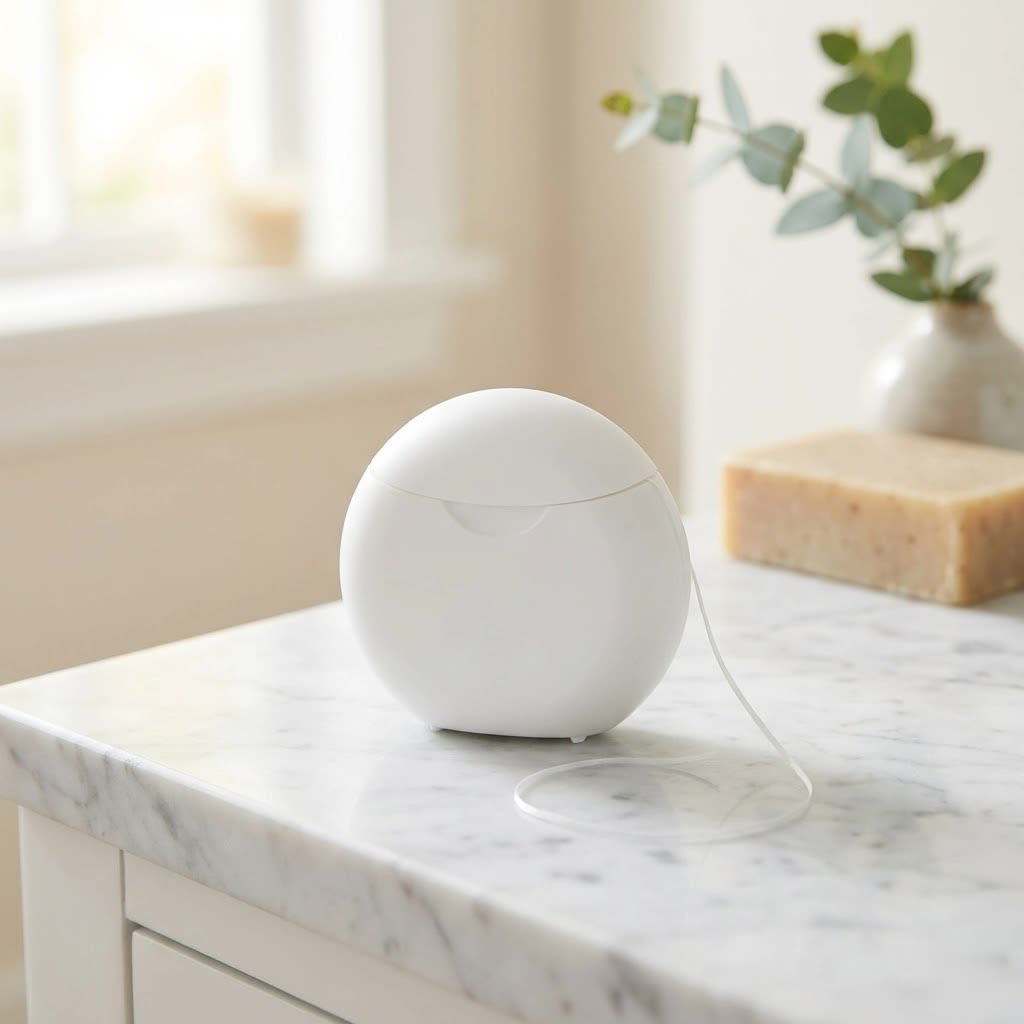
Maintaining optimal oral hygiene is crucial for your overall health, and flossing plays an indispensable role in this daily ritual. While brushing cleans the surfaces of your teeth, dental floss reaches into the tight spaces between teeth and beneath the gumline, dislodging food particles and plaque that toothbrushes often miss. Among the myriad options available, one type that frequently sparks discussion is Teflon Dental Floss, often lauded for its smooth glide. However, a closer look at its composition and the ongoing conversation surrounding its safety reveals important considerations for your dental health choices.

What is Teflon Dental Floss? Why Do People Use It?
Teflon dental floss refers to floss made from Polytetrafluoroethylene, commonly known as PTFE. This synthetic polymer is widely recognized by the brand name Teflon, famed for its non-stick properties in cookware. In the context of dental hygiene, PTFE is a fluorinated substance engineered to be incredibly smooth and slippery.
The primary advantage of PTFE in dental floss is its remarkable ability to glide effortlessly between even the tightest teeth. Unlike traditional nylon floss, which can sometimes fray, shred, or get caught, PTFE floss boasts high durability and resistance to breaking. This makes it a popular choice for individuals with closely spaced teeth, sensitive gums, or those who find other types of floss challenging to maneuver. Its smooth texture ensures a comfortable flossing experience, encouraging consistent daily use, which is paramount for preventing cavities, gum disease, and bad breath.
The Controversy: Teflon Dental Floss and Your Health
Despite its practical benefits, Teflon dental floss has become a subject of considerable debate due to its connection to a class of chemicals known as Per- and Polyfluoroalkyl Substances (PFAS). PTFE itself is a type of PFAS polymer, and these “forever chemicals” have garnered significant attention for their persistence in the environment and potential health implications.
PFAS exposure has been linked to a range of adverse health outcomes in scientific studies, including kidney and testicular cancer, thyroid disease, high cholesterol, low birth weight, decreased fertility, and impacts on the immune system. Some research indicates that individuals who regularly use certain PTFE-based dental flosses may exhibit higher levels of specific PFAS chemicals in their bloodstream.
However, it’s essential to approach this information with a nuanced perspective. Manufacturers of PTFE floss often contend that the fluorinated substances within the material are chemically bound and are not released unless exposed to extremely high temperatures, far beyond typical oral use. They argue that under normal conditions, the floss is safe for consumers. Moreover, PFAS are ubiquitous in modern life, found in countless consumer products and even in our environment, making it challenging to definitively attribute exposure solely to dental floss. While there is no conclusive evidence directly linking the use of Teflon floss to specific diseases, the potential for long-term accumulation and the known health concerns associated with PFAS have led many health-conscious individuals and dental professionals to explore alternatives. The conversation highlights the increasing demand for transparency in product ingredients and a preference for PFAS-free options.
Types of Dental Floss: Beyond Teflon
Understanding the different types of dental floss available is key to making an informed choice that aligns with your dental needs and personal preferences, especially if you’re considering moving away from PTFE options.
Monofilament Dental Floss (PTFE/Teflon)
This type, as discussed, consists of a single strand, typically made of PTFE.
- Pros: Exceptionally smooth glide, superior shred resistance, ideal for very tight contacts, gentle on gums.
- Cons: Contains PFAS, leading to potential health concerns and environmental impact due to non-biodegradability.
- Suitable for: Individuals with tightly packed teeth, dental work (like crowns or bridges where shredding is an issue), or those who find other floss types too difficult to use.
|
Our Picks for the Best Dental Floss in 2026
We may earn a commission when you use one of our links to make a purchase.
|
||
| Num | Product | Action |
|---|---|---|
| 1 | Oral-B Glide Mint Dental Floss Picks with Long Lasting Scope Flavor, 3 Pack of 75 Picks (225 Total) |

|
| 2 | Oral-B Glide Dental Floss, Scope Mint Flavor, 40 m, Pack of 6 |
|
| 3 | Oral-B Glide Floss Pro-Health 131.2 Yds Mint Value 3-Pack |
|
| 4 | REACH Ultraclean Dental Floss, Mint, Plaque Remover for Teeth, Shred Resistant, Waxed, Easy on Gums & Teeth, Mint, Oral Care, PFAS Free, for Adults & Kids, 6 Pack, 30 yd |
|
| 5 | DrTung's Smart Floss - Natural Dental Floss, PTFE & PFAS Free, Gentle on Gums, Expands & Stretches, BPA Free - Cardamom Flavor(Pack of 6) |
|
| 6 | DenTek Advanced Clean Floss Picks with No Break & No Shred Dental Floss, Plaque Remover, 150 Count |
|
| 7 | Oral-B Glide Cool Mint Deep Clean Floss, 6 Count, Glide Dental Floss |
|
| 8 | REACH Waxed Dental Floss, Mint, Plaque Remover for Teeth, Shred Resistant, Floss Slides Smoothly, Easy to Use, Waxed, Deep Cleaning Teeth, Oral Care, PFAS Free, for Adults & Kids, 6 Pack, 55 yd |
|
| 9 | REACH Waxed Dental Floss, Mint, Plaque Remover for Teeth, Shred Resistant, Floss Slides Smoothly, Easy to Use, Waxed, Deep Cleaning Teeth, Oral Care, PFAS Free, for Adults & Kids, 1 Pack, 55 yd |
|
| 10 | Oral-B Glide Dental Floss, Shred Resistant, Gentle on Gums, Natural Wax, Slides Smoothly, Deep Clean Cool Mint Flavor, 40 M, 3 Count |
|
Multifilament Dental Floss (Nylon/Polyester)
Composed of many small nylon or polyester strands twisted together, this is the most traditional and widely available type of floss.
- Pros: Good “scrubbing” action to remove plaque, widely accessible, often more affordable, comes in waxed and unwaxed varieties.
- Cons: Can sometimes shred or break, especially with very tight teeth or rough tooth surfaces; made from plastic, contributing to environmental waste (not biodegradable).
- Suitable for: Most general users, providing effective plaque removal with proper technique.
Waxed Dental Floss
Whether monofilament or multifilament, waxed floss has a thin coating of wax (often petroleum-based or plant-based).
- Pros: Slides more easily between teeth than unwaxed floss, less prone to shredding, comfortable for beginners.
- Cons: The wax coating can sometimes make the floss slightly thicker, potentially making it harder for extremely tight spaces; some waxes are derived from petroleum.
- Suitable for: Individuals with normal to tight tooth spacing, those new to flossing, and anyone preferring a smoother glide.
Unwaxed Dental Floss
Typically a multifilament nylon floss without any wax coating.
- Pros: Very thin, allowing it to fit into extremely tight spaces, provides a “squeaky clean” sensation as it scrapes against teeth.
- Cons: More likely to shred, can be harder to manipulate, may feel rougher on gums.
- Suitable for: Experienced flossers with very tight contacts, who prioritize maximum “grip” for plaque removal.
Natural/Biodegradable Floss (Silk, Bamboo)
These emerging alternatives are often made from natural fibers like silk or bamboo, typically coated with plant-based waxes.
- Pros: Free from PFAS and other synthetic plastics, biodegradable and compostable (especially silk), eco-friendly, gentle on gums.
- Cons: Can be more expensive, some silk varieties might be less durable or prone to breaking compared to synthetic options, availability might be limited to specialty stores or online.
- Suitable for: Environmentally conscious users, individuals seeking PFAS-free and plastic-free oral care, and those with sensitive gums.
Dental Floss Picks
These are small plastic devices with a short piece of floss pre-strung between two prongs.
- Pros: Convenient, portable, easy for children or individuals with dexterity issues to use, no need to wrap floss around fingers.
- Cons: Less flexible for curving around each tooth, may not reach all areas effectively, contributes to plastic waste, some still contain PTFE/plastic floss.
- Suitable for: On-the-go cleaning, children learning to floss, individuals with limited hand mobility, or as a supplement to string flossing.
Comparing Dental Floss Types: Finding Your Perfect Match
Choosing the right dental floss can significantly impact your flossing compliance and effectiveness. Here’s a comparative overview to help you decide:
| Feature | Monofilament (PTFE/Teflon) | Multifilament (Nylon/Polyester) | Natural (Silk/Bamboo) | Dental Floss Picks |
|---|---|---|---|---|
| Material | PTFE (a type of PFAS) | Nylon or Polyester | Silk or Bamboo | Plastic handle, Nylon/PTFE floss |
| Glide | Excellent, very smooth | Good (waxed), Moderate (unwaxed) | Good (waxed) | Moderate to Good |
| Shred Resistance | Excellent | Moderate to Low | Moderate to Low | Good |
| Cleaning Action | Effective | Excellent “scrubbing” action | Good | Moderate |
| Safety Concerns | PFAS exposure | Petroleum-based, microplastics | Generally none | Plastic waste, PFAS (if PTFE) |
| Environmental | Non-biodegradable plastic | Non-biodegradable plastic | Biodegradable, eco-friendly | Non-biodegradable plastic |
| Target User | Tight contacts, sensitive gums | General users | Eco-conscious, sensitive gums | Convenience, dexterity issues |
| Cost | Moderate to High | Low to Moderate | Moderate to High | Low to Moderate |
Mastering the Art of Flossing: A Step-by-Step Guide
Regardless of the type of floss you choose, proper technique is vital to ensure effective plaque removal and prevent gum injury.
Preparation Before You Begin
Always start with clean hands. Unwind about 18 inches (45 cm) of floss. This generous length ensures you have enough clean surface to use for each tooth. Wrap most of the floss around your middle fingers, leaving a small 1-2 inch (2.5-5 cm) segment taut between your thumbs and index fingers. This short working length provides better control.
Flossing Technique for a Superior Clean
- Grip and Guide: Hold the floss firmly between your thumbs and index fingers. For upper teeth, use your thumbs to guide; for lower teeth, use your index fingers.
- Gentle Insertion: Gently slide the floss between your teeth using a soft, back-and-forth “sawing” motion. Avoid snapping the floss down, as this can injure your gums.
- C-Shape Curve: Once the floss reaches the gumline, curve it into a C-shape against one side of the tooth. Slide it gently into the space between your gum and tooth.
- Up-and-Down Motion: Hold the floss tightly against the tooth and move it gently up and down, scraping away plaque and food particles. Perform several strokes, ensuring you clean both sides of the tooth.
- Fresh Section: As you move from tooth to tooth, unroll a fresh section of floss from one middle finger and wind the used section onto the other. This prevents transferring plaque and bacteria.
- Don’t Forget the Back: Remember to floss the back surface of your last molars on both sides of your mouth, both top and bottom.
Common Mistakes and Solutions
- Snapping Floss: Instead of forcing it, use a gentle sawing motion to work it through contacts.
- Not Going Below the Gumline: Gently guide the floss just beneath the gumline. This is where plaque often hides.
- Skipping Teeth: Be thorough! Ensure you clean every tooth surface, including the back of the last molars.
- Not Flossing Daily: Consistency is key. Even if it’s just once a day, make it a habit.
How Often to Floss
The American Dental Association (ADA) recommends flossing at least once a day. Many dental professionals suggest flossing before brushing, as it dislodges food and plaque, allowing your toothbrush and toothpaste to be more effective.
Where to Buy Dental Floss? Price and Considerations
Dental floss is readily available in a variety of retail environments. You can find it at local pharmacies, supermarkets, big-box stores, and numerous online retailers. Specialty dental supply stores and eco-friendly online shops often carry natural and less common types of floss.
The price of dental floss can vary significantly based on its type, brand, and features. Basic nylon floss is typically the most economical, while specialized options like PTFE floss, natural silk, or advanced dental tapes can be more expensive. Multi-packs or subscription services can sometimes offer better value.
Buying Guide: Key Factors to Consider When Choosing Dental Floss
Selecting the right dental floss involves more than just picking up the first box you see. Consider these factors to find the best fit for your oral health routine:
Type of Dental Floss Suitable for Individual Needs
- Tight Teeth or Dental Work: PTFE/monofilament floss is known for its smooth glide and shred resistance.
- Regular Spacing: Waxed or unwaxed multifilament nylon floss works well.
- Wide Gaps or Sensitive Gums: Dental tape offers a broader cleaning surface and can be gentler.
- Braces, Bridges, Implants: Super floss with its stiff end and spongy middle is specifically designed for these situations.
- Dexterity Issues or Convenience: Floss picks can be a useful tool, though string floss offers more thorough cleaning.
Material Composition of Dental Floss
Beyond the type, consider the actual materials used. If you’re concerned about PFAS, actively seek out “PTFE-free” or “PFAS-free” labels. Opt for natural materials like silk or bamboo for a biodegradable, plastic-free option. When choosing waxed floss, look for vegetable-based waxes (like candelilla or carnauba) over petroleum-based alternatives.
Reputable Brands and Certifications
Stick to brands recommended by dental professionals or those with clear ingredient lists. Look for seals of approval, such as the American Dental Association (ADA) seal, which indicates that a product has been evaluated for safety and effectiveness.
Flavor Preference
While not critical for effectiveness, flavored floss (e.g., mint, cinnamon) can make the flossing experience more pleasant and encourage regular use. Choose a flavor you genuinely enjoy.
Price and Budget
Determine what you’re willing to spend. While investing in higher-quality or specialized floss can be beneficial, consistent flossing with an affordable option is always better than not flossing at all.
Top PFAS-Free Dental Floss Options (Review)
For those prioritizing safety and environmental responsibility, several excellent PFAS-free dental floss options are available:
-
Dr. Tung’s Smart Floss: This acclaimed floss is made from a natural, biodegradable material that expands gently between teeth, effectively removing plaque. It’s explicitly marketed as PTFE- and PFAS-free, lightly waxed with natural vegetable and bee’s wax, and often infused with cardamom for a pleasant taste. Users appreciate its unique expanding action, which provides a thorough clean. It comes in a biodegradable container.
- Pros: PTFE/PFAS-free, expanding action for superior cleaning, biodegradable packaging, pleasant natural flavor, gentle on gums.
- Cons: Can be more expensive than conventional floss, may feel different than traditional floss to new users.
- Approx. Price: Moderate to high.
-
Boka Floss: Boka offers a PTFE-free, petroleum-free, and vegan floss coated with vegetable wax. This floss is designed for a smooth yet effective clean, focusing on non-toxic ingredients. It’s often praised for its durability and pleasant user experience without the use of controversial chemicals.
- Pros: PTFE/PFAS-free, petroleum-free, vegan, plant-based wax, durable.
- Cons: May be less widely available in physical stores, higher price point.
- Approx. Price: Moderate to high.
-
Risewell Floss: This brand stands out with its hydroxyapatite-infused dental floss, aiming to help remineralize tooth surfaces. It’s vegan-friendly, uses plant-based wax, and is proudly PTFE- and petroleum-free. It offers a unique approach to interdental cleaning by potentially strengthening enamel while cleaning.
- Pros: PTFE/PFAS-free, petroleum-free, vegan wax, hydroxyapatite infusion for enamel health, strong and shred-resistant.
- Cons: Premium price, specialized ingredients might not appeal to everyone.
- Approx. Price: High.
-
Dental Lace Refillable Silk Floss: A highly eco-conscious option, Dental Lace provides 100% natural mulberry silk floss that is biodegradable and compostable. It comes in a beautiful refillable glass container, drastically reducing plastic waste. The floss is coated with candelilla wax and is free from PFAS.
- Pros: 100% natural silk, biodegradable, compostable, plastic-free packaging, refillable system, PFAS-free.
- Cons: Silk can be more delicate and prone to breaking for some users, higher initial investment for the dispenser.
- Approx. Price: High (initial), Moderate (refills).
-
Radius Natural Silk Floss: Similar to Dental Lace, Radius offers a natural silk floss, typically coated with candelilla wax. It’s biodegradable, compostable, and free from synthetic chemicals. Users often report it being gentle and effective, providing a natural alternative for daily flossing.
- Pros: Natural silk, biodegradable, PFAS-free, gentle.
- Cons: May be less durable than synthetic options, can be more expensive.
- Approx. Price: Moderate to high.
Conclusion
Flossing remains an undeniable cornerstone of a healthy oral hygiene regimen, essential for eradicating plaque and food debris from areas your toothbrush cannot reach. While Teflon dental floss, composed of PTFE, offers a smooth and shred-resistant experience, the association of PTFE with PFAS chemicals has prompted valid concerns among health-conscious consumers. The ongoing debate regarding the direct impact of these “forever chemicals” from floss on human health underscores the importance of informed decision-making.
Ultimately, the most effective dental floss is the one you will consistently use with the correct technique. However, considering the growing body of research and the availability of excellent alternatives, opting for PFAS-free choices like natural silk, bamboo, or certain nylon and polyester flosses with plant-based waxes provides peace of mind without compromising on oral cleanliness. Prioritizing ingredients and materials ensures not only a healthier smile but also a more responsible approach to personal care. Don’t hesitate to consult your dentist or dental hygienist for personalized recommendations tailored to your unique oral health needs. What steps will you take to ensure your flossing routine is both effective and entirely safe?
Câu Hỏi Thường Gặp
Is Teflon dental floss safe to use?
The safety of Teflon (PTFE) dental floss is a subject of ongoing debate. While manufacturers state the fluorinated substances are chemically bound and not released at normal temperatures, studies have shown a correlation between the use of certain PTFE flosses and higher levels of PFAS chemicals in the bloodstream. Many experts suggest choosing PFAS-free alternatives if you are concerned.
What are PFAS chemicals?
PFAS (Per- and Polyfluoroalkyl Substances) are a group of man-made chemicals, including PTFE, known for their non-stick and water-resistant properties. They are often called “forever chemicals” because they break down very slowly in the environment and can accumulate in the human body, with potential links to various health issues like kidney cancer and thyroid disease.
What are the best alternatives to Teflon floss?
Excellent PFAS-free alternatives include natural silk floss (often coated with candelilla wax), bamboo floss, and certain nylon or polyester flosses that specifically state they are PTFE-free and use plant-based waxes. Brands like Dr. Tung’s Smart Floss, Boka, Risewell, and Dental Lace offer well-regarded non-toxic options.
How often should I floss?
Dental professionals recommend flossing at least once a day. Consistent daily flossing is crucial for removing plaque and food particles that brushing misses, thereby preventing cavities, gingivitis, and other gum diseases.
Can water flossers replace traditional floss?
Water flossers (oral irrigators) are effective at removing loose food particles and plaque, especially for those with braces, implants, or bridges. However, they are often considered a complementary tool rather than a complete replacement for traditional string floss, as string floss provides a physical scraping action that water flossers may not fully replicate in tight contact areas.