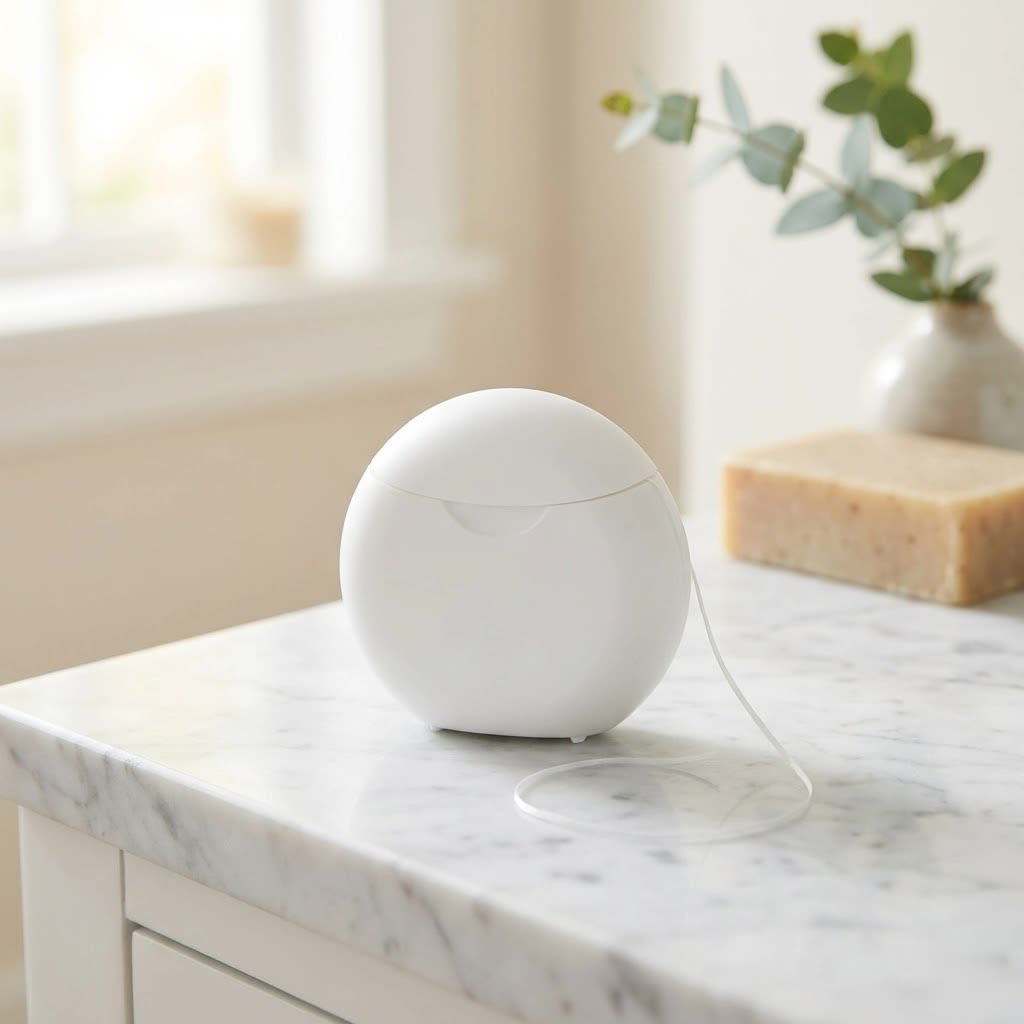
In a world increasingly conscious of its environmental footprint, even the smallest daily habits are under scrutiny. Many of us diligently brush and floss, yet rarely pause to consider the environmental impact of our dental care products. Traditional dental floss, often made from petroleum-based plastics like nylon or Teflon, and housed in non-recyclable plastic containers, contributes significantly to landfill waste and ocean pollution. This is where eco-friendly dental floss emerges not just as an alternative, but as a vital step towards a more sustainable oral hygiene routine.
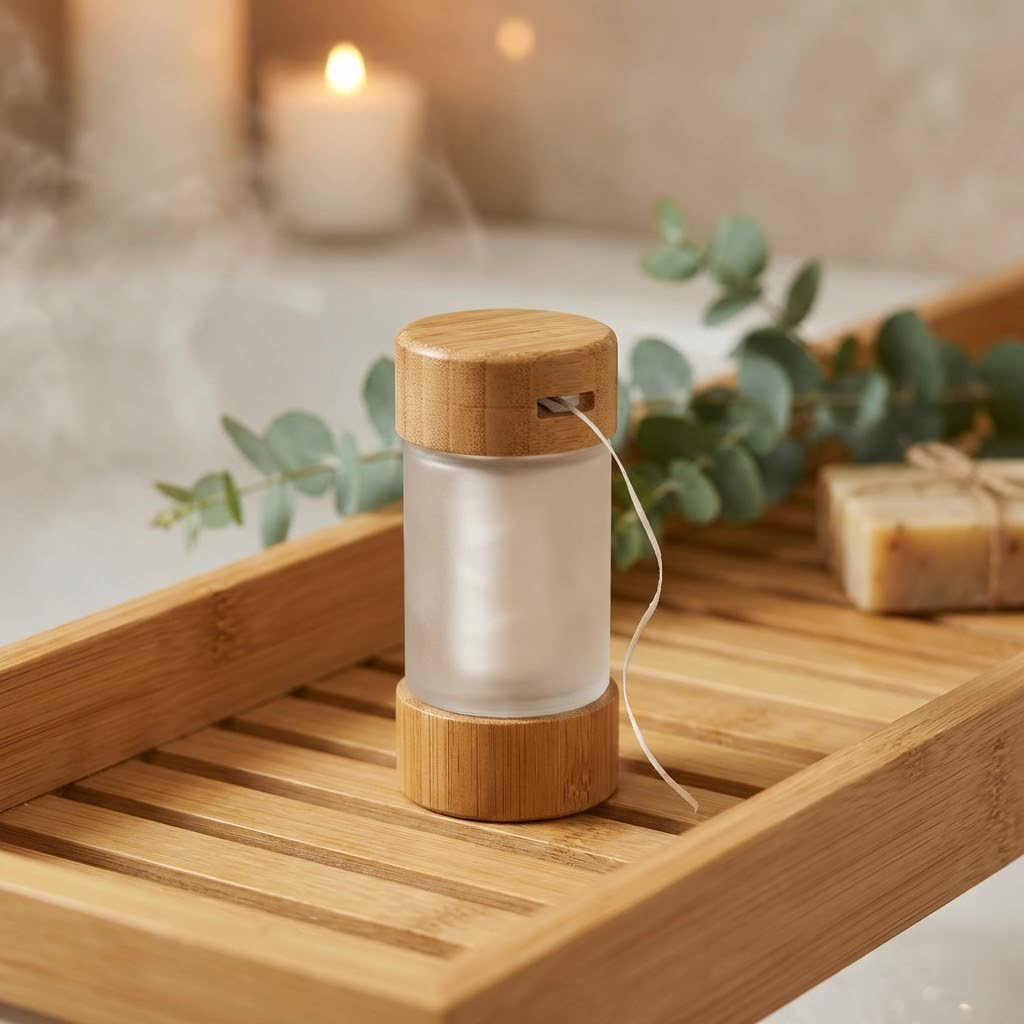
Eco-friendly dental floss is specifically designed to offer the same superior plaque-fighting power as conventional floss while being gentle on our planet. Made with biodegradable or compostable materials and packaged with sustainability in mind, these innovative solutions help you maintain a healthy, bright smile without compromising environmental well-being. By making a simple switch, you can reduce plastic waste, decrease your carbon footprint, and support manufacturing practices that prioritize a healthier future.
What is Eco-Friendly Dental Floss? Why Do You Need It?
Eco-friendly dental floss refers to flossing products crafted from natural, sustainable, and biodegradable materials, often coupled with plastic-free or refillable packaging. Unlike its conventional counterparts, which typically consist of nylon or Teflon, and can linger in landfills for hundreds of years, eco-friendly floss breaks down naturally and much faster. This shift is crucial because the production of traditional floss is energy-intensive, relying on fossil fuels, and its widespread disposal contributes immensely to global plastic pollution, posing severe threats to ecosystems, particularly marine life.
You need eco-friendly dental floss to effectively clean between your teeth and maintain optimal oral health without the hidden environmental cost. Daily flossing is indispensable for removing food particles and plaque that brushing alone can’t reach, preventing cavities, gum disease, and bad breath. By choosing an eco-friendly option, you are not only caring for your teeth but also actively reducing plastic waste, supporting ethical manufacturing, and minimizing your ecological footprint, transforming a routine task into an act of environmental responsibility.
Common Types of Eco-Friendly Dental Floss on the Market
The market for sustainable oral care has expanded, offering several types of eco-friendly dental floss, each with distinct characteristics regarding material, biodegradability, and feel. These alternatives move away from synthetic plastics, embracing natural fibers and plant-based compounds.
Silk Dental Floss
|
Our Picks for the Best Dental Floss in 2026
We may earn a commission when you use one of our links to make a purchase.
|
||
| Num | Product | Action |
|---|---|---|
| 1 | DenTek Advanced Clean Floss Picks with No Break & No Shred Dental Floss, Plaque Remover, 150 Count |

|
| 2 | Oral-B Glide Dental Floss, Scope Mint Flavor, 40 m, Pack of 6 |
|
| 3 | DrTung's Smart Floss - Natural Dental Floss, PTFE & PFAS Free, Gentle on Gums, Expands & Stretches, BPA Free - Cardamom Flavor(Pack of 6) |
|
| 4 | Oral-B Glide Floss Pro-Health 131.2 Yds Mint Value 3-Pack |
|
| 5 | Oral-B Glide Mint Dental Floss Picks with Long Lasting Scope Flavor, 3 Pack of 75 Picks (225 Total) |
|
| 6 | REACH Waxed Dental Floss, Mint, Plaque Remover for Teeth, Shred Resistant, Floss Slides Smoothly, Easy to Use, Waxed, Deep Cleaning Teeth, Oral Care, PFAS Free, for Adults & Kids, 6 Pack, 55 yd |
|
| 7 | Oral-B Glide Cool Mint Deep Clean Floss, 6 Count, Glide Dental Floss |
|
| 8 | REACH Ultraclean Dental Floss, Mint, Plaque Remover for Teeth, Shred Resistant, Waxed, Easy on Gums & Teeth, Mint, Oral Care, PFAS Free, for Adults & Kids, 6 Pack, 30 yd |
|
| 9 | REACH Waxed Dental Floss, Mint, Plaque Remover for Teeth, Shred Resistant, Floss Slides Smoothly, Easy to Use, Waxed, Deep Cleaning Teeth, Oral Care, PFAS Free, for Adults & Kids, 1 Pack, 55 yd |
|
| 10 | Oral-B Glide Dental Floss, Shred Resistant, Gentle on Gums, Natural Wax, Slides Smoothly, Deep Clean Cool Mint Flavor, 40 M, 3 Count |
|
Silk floss is a natural and highly biodegradable option, made from mulberry silk fibers. It’s known for being gentle on gums and effective at cleaning. However, traditional silk production involves silkworms, making it non-vegan, though some brands offer “Ahimsa silk” which is harvested without harming the worms. Silk floss is typically coated with natural waxes like beeswax (non-vegan) or plant-based candelilla wax (vegan) for a smoother glide.
Bamboo Dental Floss
Bamboo floss is a popular vegan and biodegradable choice derived from bamboo fibers. It’s renowned for its strength and durability, often providing a robust flossing experience. Many bamboo flosses are infused with activated charcoal, which is believed to enhance cleaning and absorption properties. Bamboo floss generally comes in plastic-free packaging and is compostable, often breaking down within a couple of months.
Corn-Based PLA Dental Floss
PLA (polylactic acid) corn floss is another vegan and biodegradable alternative. It’s made from corn fibers, presenting a sustainable option derived from renewable resources. While effective, some users find it to be less durable than silk or bamboo, and it might not be ideal for very tight tooth spaces. It’s usually coated with a plant-based wax to ensure a smoother passage between teeth.
Straw Wheat Dental Floss (Often in Floss Picks)
Straw wheat is utilized to create a bio-plastic material, especially for dental floss picks. This renewable resource offers a decomposable and environmentally safer alternative to traditional plastic floss pick handles. The floss thread itself within these picks can be various biodegradable materials, making them a convenient, eco-conscious choice for those who prefer picks. These are generally soft on gums and easy to use.
Eco-Friendly Floss Picks
While traditional floss picks are a significant source of plastic waste, eco-friendly versions are emerging. These picks feature handles made from plant-based materials like corn straw or wheat straw, or even recycled content, paired with biodegradable floss threads (e.g., PLA corn or bamboo fiber). They offer the convenience of a pick while dramatically reducing environmental impact.
Comparing Different Types of Eco-Friendly Dental Floss
Choosing the right eco-friendly floss involves considering various factors beyond just environmental impact, such as material strength, suitability for tight spaces, and ethical considerations like veganism. Here’s a comparative overview:
| Feature | Silk Floss | Bamboo Floss | Corn-Based PLA Floss | Straw Wheat Floss Picks |
|---|---|---|---|---|
| Material | Natural mulberry silk | Bamboo fiber (often with activated charcoal) | Polylactic Acid (PLA) from corn | Bio-plastic from straw wheat (for picks) |
| Biodegradability | Highly biodegradable, compostable | Highly biodegradable, compostable (approx. 60 days) | Biodegradable, compostable (some industrial) | Decomposable |
| Vegan-Friendly | No (unless Ahimsa silk), wax can be beeswax | Yes | Yes | Yes (for floss, handles are plant-based) |
| Strength/Durability | Good, generally strong | Very strong, durable | Moderate, can be less durable for tight teeth | Varies by floss material, pick handle is sturdy |
| Ease of Use | Smooth glide (with wax coating) | Smooth glide (with wax coating) | Smooth glide (with wax coating) | Easy to access difficult spots (picks) |
| Wax Coating | Beeswax or Candelilla wax | Candelilla wax | Plant-based wax | Plant-based wax |
| Flavor Options | Often natural mint or unflavored | Often mint, charcoal, or unflavored | Mint or unflavored | Mint or unflavored |
| Common Packaging | Refillable glass jars, compostable refills | Refillable glass jars, compostable refills | Refillable glass jars, compostable refills | Kraft paper boxes, reusable cases |
| Cost | Mid to high | Mid to high | Mid to high | Mid to high |
| Special Notes | Animal byproduct, check for humane harvesting | Often has activated charcoal for enhanced cleaning | May be less effective for extremely tight contacts | Convenient for on-the-go, reduces single-use plastic picks |
How to Use Dental Floss Correctly
Using dental floss correctly is as important as choosing the right type of floss. Improper technique can lead to ineffective cleaning or even harm to your gums. Whether you opt for traditional or eco-friendly dental floss, the method remains largely the same.
Preparation Before Flossing
Begin by washing your hands thoroughly. Tear off approximately 18 to 24 inches (about 45-60 cm) of floss. This length allows you to use a fresh section for each tooth, preventing the transfer of bacteria. Wind most of the floss around the middle finger of one hand and a smaller amount around the middle finger of your other hand. This second finger will gather the used floss. Keep about one to two inches of floss taut between your thumbs and index fingers.
Flossing Technique
Gently guide the floss between your teeth using a soft, back-and-forth “sawing” motion. Avoid snapping the floss down, which can injure your gums. Once the floss reaches your gum line, curve it into a C-shape against one tooth. Slide it gently into the space between your gum and tooth. Move the floss up and down against the side of the tooth, cleaning below the gum line. Repeat this motion on the adjacent tooth. As you move from tooth to tooth, unroll a fresh section of floss from one middle finger and wind the used section onto the other, ensuring you’re always using a clean piece. Remember to floss both sides of every tooth, including the back of your last molars.
Common Flossing Mistakes and How to Fix Them
- Snapping the floss: This can cut or bruise your gums. Always use a gentle, controlled sawing motion.
- Not flossing below the gum line: Plaque and food particles accumulate here. Ensure you gently curve the floss and slide it slightly under the gum.
- Using the same section of floss: This redeposits bacteria. Always use a fresh section for each tooth.
- Flossing too aggressively: This can cause gum recession or irritation. Be gentle; effective cleaning doesn’t require force.
- Ignoring back teeth: All teeth need flossing. Take your time to reach those harder-to-access areas.
Flossing Frequency
Dental professionals recommend flossing at least once a day, ideally before brushing. This helps dislodge food particles and plaque, allowing your toothbrush and toothpaste to be more effective. Consistent daily flossing significantly contributes to maintaining excellent oral hygiene and preventing various dental issues.
Where to Buy Eco-Friendly Dental Floss? What is the Price Like?
As the demand for sustainable products grows, eco-friendly dental floss has become increasingly accessible. You can find these products through various reputable channels, both online and in physical stores.
Online Marketplaces and Specialty Stores: Many eco-friendly brands primarily operate online, allowing you to purchase directly from their websites. Major online retailers like Amazon, Grove Collaborative, and various zero-waste or sustainable living e-shops offer a wide selection of brands such as Me Mother Earth, TreeBird, EcoRoots, Georganics, and Smart Life Eco. These platforms often provide detailed product descriptions, customer reviews, and comparative pricing, making it easy to find a product that suits your needs.
Health and Wellness Stores: Local health food stores, organic markets, and dedicated eco-friendly product shops often stock a curated selection of sustainable dental care items, including floss. Shopping locally allows you to support small businesses and often engage with knowledgeable staff.
Pharmacies and Supermarkets: While less common than online or specialty stores, some larger pharmacies and supermarkets are beginning to carry eco-friendly dental floss options as consumer awareness grows. Look for dedicated “natural” or “eco-friendly” sections within these stores.
Price Comparison: The price of eco-friendly dental floss can vary depending on the material, brand, and packaging. Generally, eco-friendly options might have a slightly higher upfront cost than conventional plastic floss.
- Silk and Bamboo Floss: These typically range from $6 to $15 per spool, especially for those in refillable glass containers. Refill spools are usually more cost-effective in the long run.
- Corn-Based PLA Floss: Similar in price to silk and bamboo, ranging from $5 to $12.
- Eco-Friendly Floss Picks: These can vary widely, but a pack of 200 picks might cost between $8 and $20, depending on the handle and floss material.
While the initial investment might be slightly higher, the long-term benefits for both your oral health and the environment often outweigh the cost difference. Many brands offer subscription services or bulk refills, which can reduce the per-unit cost over time.
Tips for Buying:
- Read Product Descriptions: Ensure the materials are genuinely biodegradable or compostable and that packaging is plastic-free.
- Check Certifications: Look for certifications like USDA Organic, compostable certifications, or B Corp status for added assurance.
- Consider Refills: Opting for refillable systems reduces waste and can be more economical.
- Explore Bundles: Some brands offer bundles with other eco-friendly dental products, providing better value.
Buying Guide: Factors to Consider When Choosing Eco-Friendly Dental Floss
Selecting the perfect eco-friendly dental floss can feel overwhelming with the variety available. To make an informed choice that aligns with your values and oral care needs, consider these key factors:
Type of Floss Material
The core of eco-friendliness lies in the material.
- Silk: A natural, strong, and highly biodegradable fiber. If you’re not vegan, it’s an excellent choice. Look for responsibly sourced or “Ahimsa” silk if animal welfare is a concern.
- Bamboo: A popular vegan and robust option. Bamboo fiber is strong, naturally antibacterial, and rapidly renewable. Often found with activated charcoal for extra cleaning benefits.
- Corn-Based PLA (Polylactic Acid): A vegan, plant-based plastic alternative. It’s biodegradable but sometimes requires industrial composting. It might be less robust than silk or bamboo for very tight contacts.
- Straw Wheat: Primarily used for the handles of eco-friendly floss picks, offering a compostable alternative to petroleum-based plastics.
Packaging Solutions
Beyond the floss itself, the packaging significantly impacts its environmental footprint.
- Refillable Glass Containers: Many eco-friendly flosses come in stylish, durable glass jars designed for indefinite reuse. You then purchase affordable floss refills. This is a gold standard for zero waste.
- Compostable Packaging: Look for kraft paper boxes, corn starch bags, or other plant-based materials that can be composted at home or industrially. Avoid any unnecessary plastic wrapping.
Vegan-Friendly Options
If you adhere to a vegan lifestyle, ensure both the floss material and its coating are animal-product free.
- Floss Material: Bamboo, corn-based PLA, and straw wheat are naturally vegan. Traditional silk is not, but Ahimsa silk offers a more ethical (though not strictly vegan) alternative.
- Wax Coating: Opt for plant-based waxes like candelilla wax instead of beeswax.
Wax Coating and Flavor
A smooth glide is essential for effective and comfortable flossing.
- Wax Type: Candelilla wax (plant-based, vegan) and beeswax (natural, but not vegan) are common. They help the floss glide easily and prevent shredding.
- Flavor: Many eco-friendly flosses are unflavored or use natural essential oils like peppermint or spearmint for a refreshing feel, avoiding artificial flavors and chemicals.
Brand Reputation and Transparency
Researching the brand’s commitment to sustainability and ethical practices can provide peace of mind.
- Certifications: Look for certifications like USDA Organic, cruelty-free labels, or compostability standards.
- Transparency: Brands that openly share their sourcing, manufacturing processes, and disposal guidelines are generally more trustworthy.
Price and Value
While eco-friendly products might seem pricier upfront, consider the long-term value and environmental benefits.
- Cost-Effectiveness: Refill systems often make eco-friendly floss more economical over time.
- Investment in Planet: View the slightly higher cost as an investment in sustainable practices and a healthier planet.
By carefully evaluating these factors, you can confidently choose an eco-friendly dental floss that not only promotes your oral health but also aligns with your commitment to a sustainable lifestyle.
Top 5 Eco-Friendly Dental Floss Brands for a Sustainable Smile (Detailed Review)
Choosing an eco-friendly dental floss means selecting products that are kind to both your gums and the planet. Here are five highly-regarded options that exemplify sustainability and effectiveness:
1. Smart Life Eco Biodegradable Dental Floss
- Material: Made from compostable straw wheat handles (for picks) and nylon-4 thread.
- Key Features: Ethically sourced, decomposable, soft on gums and teeth. Waxed with hypoallergenic Candelilla.
- Pros: Very durable, provides a perfect floss, uses less material than corn-based options, gentle for sensitive gums, and entirely guilt-free.
- Cons: Some users find it challenging for extremely tight teeth, and it may have a unique natural smell.
- Price: Mid-range.
- User Reviews: Appreciated for durability and eco-consciousness, though some note difficulty with tight spaces.
2. Me Mother Earth Bamboo Charcoal Dental Floss
- Material: 100% biodegradable bamboo charcoal fiber.
- Key Features: Vegan, cruelty-free, infused with peppermint essential oil, breaks down in 60-90 days. Comes in a refillable glass container.
- Pros: Excellent value with 4-pack refills, strong yet thin floss for tight teeth, gentle on gums, contributes to ocean and environmental conservation (10% of profits donated).
- Cons: Flavor might be slightly medicinal for some, a bit pricier than some alternatives.
- Price: Mid to high-range for the initial pack, refills offer better value.
- User Reviews: Highly praised for its effectiveness, strength, and strong environmental commitment.
3. TreeBird Biodegradable Floss
- Material: 100% pure natural silk spool (non-vegan option) or vegan peppermint-flavored charcoal floss (contains some polyester for strength, biodegradable but not compostable).
- Key Features: Refillable glass holder, naturally waxed with Candelilla wax, mint flavored.
- Pros: Effectively cleans tight teeth with good grip, 100% compostable silk option available, eco-friendly packaging (glass jar, kraft paper, soy ink).
- Cons: Silk version is not vegan. Some users find the floss to break easily or be a bit thick. Vegan charcoal option contains polyester.
- Price: Mid-range.
- User Reviews: Commended for eco-friendly packaging and effectiveness, but users differentiate between silk (compostable) and vegan (biodegradable) options.
4. Happy Eco Natural Floss
- Material: Plant-based materials, nylon (for strength), xylitol (for oral health benefits).
- Key Features: Vegan, sustainable, double-design thread, reusable floss sticks (for picks).
- Pros: Strong waxed thread, effective plaque remover, double-thread concept prevents shredding, doubles as a toothpick, easy to reach difficult areas.
- Cons: Some users find the floss a bit sharp, potentially challenging for very tight teeth.
- Price: Mid-range.
- User Reviews: Valued for innovative design, strength, and overall effectiveness while reducing plastic.
5. Boonboo Bamboo Charcoal Floss
- Material: Bamboo charcoal woven fiber.
- Key Features: PFAS-free, natural material, plastic-free glass bottle, mint flavor.
- Pros: Strong and shred-resistant, pleasant texture and flavor, compostable, effective at cleaning.
- Cons: May get knotted towards the end of the roll, can be thick for extremely closely spaced teeth.
- Price: Mid-range.
- User Reviews: Highly regarded for its strength, natural ingredients, and compostability.
These brands represent a commitment to sustainable oral care, offering diverse options to suit different preferences and needs, all while contributing to a healthier planet.
“Switching to eco-friendly floss is a small change with a monumental impact. It’s about aligning our daily routines with our planetary responsibilities, proving that effective oral hygiene doesn’t have to come at Earth’s expense.” – Hanif Roslen, Eco-conscious Oral Care Enthusiast.
Conclusion
Embracing eco-friendly dental floss is a powerful, yet simple, step toward a more sustainable lifestyle without compromising your oral health. By choosing products made from natural, biodegradable materials like silk, bamboo, or corn-based PLA, and opting for plastic-free or refillable packaging, you actively contribute to reducing plastic waste and minimizing your environmental footprint. These innovative alternatives are just as effective as traditional floss in keeping your teeth clean and gums healthy, all while aligning with your commitment to a greener planet.
The market offers a diverse range of options, from vegan bamboo charcoal floss to compostable silk varieties, ensuring there’s a sustainable choice for every preference. Remember to consider factors such as material, packaging, and ethical certifications when making your selection.
Are you ready to make a conscious switch and transform your daily flossing routine into an act of environmental kindness?
Câu Hỏi Thường Gặp
Is biodegradable dental floss truly compostable?
Yes, most biodegradable dental floss made from natural materials like silk, bamboo, or corn-based PLA is compostable. While some types may require industrial composting facilities for optimal breakdown, many can safely decompose in a home compost bin, enriching the soil and reducing landfill waste.
Is eco-friendly floss as effective as regular dental floss?
Absolutely. Eco-friendly dental floss is engineered to provide the same plaque-fighting power and effective cleaning as conventional floss. Its primary difference lies in its eco-conscious composition, utilizing natural fibers and plant-based waxes that deliver a thorough clean while being gentle on your gums and the environment.
What are the main benefits of switching to eco-friendly dental floss?
The primary benefits include a significant reduction in plastic waste, a decreased carbon footprint due to sustainable material sourcing and production, and the avoidance of harmful chemicals like PFAS often found in traditional floss. It’s a choice that supports environmental conservation and a healthier you.
Can children use eco-friendly dental floss?
Yes, eco-friendly dental floss is generally safe for children to use, provided they are old enough to floss correctly and under adult supervision. Many brands use natural ingredients and mild or no flavors, making them suitable for younger users. Floss picks made from plant-based materials can be particularly easy for children to handle.
How should I store my eco-friendly dental floss?
To maintain the integrity of natural materials, eco-friendly dental floss should be stored in a cool, dry place, away from direct sunlight and excessive humidity. If your floss comes in a refillable glass container, ensure the lid is securely closed after each use to protect the floss from moisture.
Is silk or bamboo floss better for the environment?
Both silk and bamboo floss are excellent eco-friendly choices. Silk is a natural protein fiber that is highly biodegradable, while bamboo is a rapidly renewable resource that is also biodegradable and often compostable. The “better” option often depends on personal preferences (e.g., vegan considerations for silk) and specific brand’s sourcing and processing.
What is candelilla wax, and why is it used on eco-friendly floss?
Candelilla wax is a plant-based wax derived from the candelilla shrub. It’s used to coat eco-friendly floss to help it glide smoothly between teeth, prevent shredding, and provide a comfortable flossing experience. As a vegan alternative to beeswax, it makes the floss suitable for those avoiding animal products.