Do you ever consider the journey your dental floss takes after it leaves your mouth? For millions, traditional dental floss, often made of plastic, contributes to an escalating global plastic crisis, lingering in landfills and oceans for centuries. This hidden environmental cost of daily oral hygiene is prompting a crucial shift towards more sustainable solutions. Biodegradable Dental Floss offers a powerful alternative, allowing you to maintain impeccable oral health while simultaneously championing the well-being of our planet. By choosing floss crafted from natural materials that break down harmlessly, you embrace a routine that benefits both your smile and the environment, paving the way for a cleaner, greener future.
What is Biodegradable Dental Floss and Why Do You Need It?
Biodegradable dental floss is an eco-friendly oral hygiene product designed to effectively clean between teeth while minimizing environmental impact. Unlike conventional floss, which typically consists of non-biodegradable nylon or Teflon, biodegradable options are made from natural materials such as silk, bamboo fiber, or corn starch that break down naturally over time. This sustainable approach significantly reduces plastic waste and prevents the accumulation of microplastics in our ecosystems.
The importance of incorporating dental floss into your daily oral care routine cannot be overstated. Flossing helps remove plaque, food particles, and bacteria from areas your toothbrush cannot reach, effectively preventing tooth decay, gum disease, and bad breath. Choosing a biodegradable floss means you’re performing this essential cleaning without perpetuating the cycle of plastic pollution. Moreover, many eco-friendly flosses are free from harmful chemicals like PFAS (per- and polyfluoroalkyl substances), also known as “forever chemicals,” offering a safer and healthier option for your body and the environment.
Popular Types of Biodegradable Dental Floss on the Market
The market for biodegradable dental floss is expanding, offering diverse options made from sustainable materials. Each type presents unique benefits and characteristics, allowing you to choose the best fit for your oral care needs and environmental values.
Silk Dental Floss
Silk dental floss is a natural, protein-based fiber that is 100% biodegradable and often compostable. It is typically sourced from mulberry silk and coated with natural waxes like beeswax or candelilla wax for a smooth glide.
- Pros: Highly biodegradable and compostable, gentle on gums, natural texture provides good cleaning.
- Cons: Not suitable for vegans if coated with beeswax; ethical considerations regarding silk production for some users.
- Suitable for: Individuals prioritizing natural, compostable materials who are not strict vegans.
|
Our Picks for the Best Dental Floss in 2026
We may earn a commission when you use one of our links to make a purchase.
|
||
| Num | Product | Action |
|---|---|---|
| 1 | REACH Waxed Dental Floss, Mint, Plaque Remover for Teeth, Shred Resistant, Floss Slides Smoothly, Easy to Use, Waxed, Deep Cleaning Teeth, Oral Care, PFAS Free, for Adults & Kids, 6 Pack, 55 yd |

|
| 2 | Oral-B Glide Mint Dental Floss Picks with Long Lasting Scope Flavor, 3 Pack of 75 Picks (225 Total) |
|
| 3 | REACH Ultraclean Dental Floss, Mint, Plaque Remover for Teeth, Shred Resistant, Waxed, Easy on Gums & Teeth, Mint, Oral Care, PFAS Free, for Adults & Kids, 6 Pack, 30 yd |
|
| 4 | Oral-B Glide Dental Floss, Scope Mint Flavor, 40 m, Pack of 6 |
|
| 5 | Oral-B Glide Floss Pro-Health 131.2 Yds Mint Value 3-Pack |
|
| 6 | Oral-B Glide Dental Floss, Shred Resistant, Gentle on Gums, Natural Wax, Slides Smoothly, Deep Clean Cool Mint Flavor, 40 M, 3 Count |
|
| 7 | Oral-B Glide Cool Mint Deep Clean Floss, 6 Count, Glide Dental Floss |
|
| 8 | DrTung's Smart Floss - Natural Dental Floss, PTFE & PFAS Free, Gentle on Gums, Expands & Stretches, BPA Free - Cardamom Flavor(Pack of 6) |
|
| 9 | DenTek Advanced Clean Floss Picks with No Break & No Shred Dental Floss, Plaque Remover, 150 Count |
|
| 10 | REACH Waxed Dental Floss, Mint, Plaque Remover for Teeth, Shred Resistant, Floss Slides Smoothly, Easy to Use, Waxed, Deep Cleaning Teeth, Oral Care, PFAS Free, for Adults & Kids, 1 Pack, 55 yd |
|
Bamboo Dental Floss (often Charcoal-Infused)
Bamboo dental floss is a popular plant-based, vegan alternative to traditional floss. It is often infused with activated charcoal, known for its detoxifying and whitening properties.
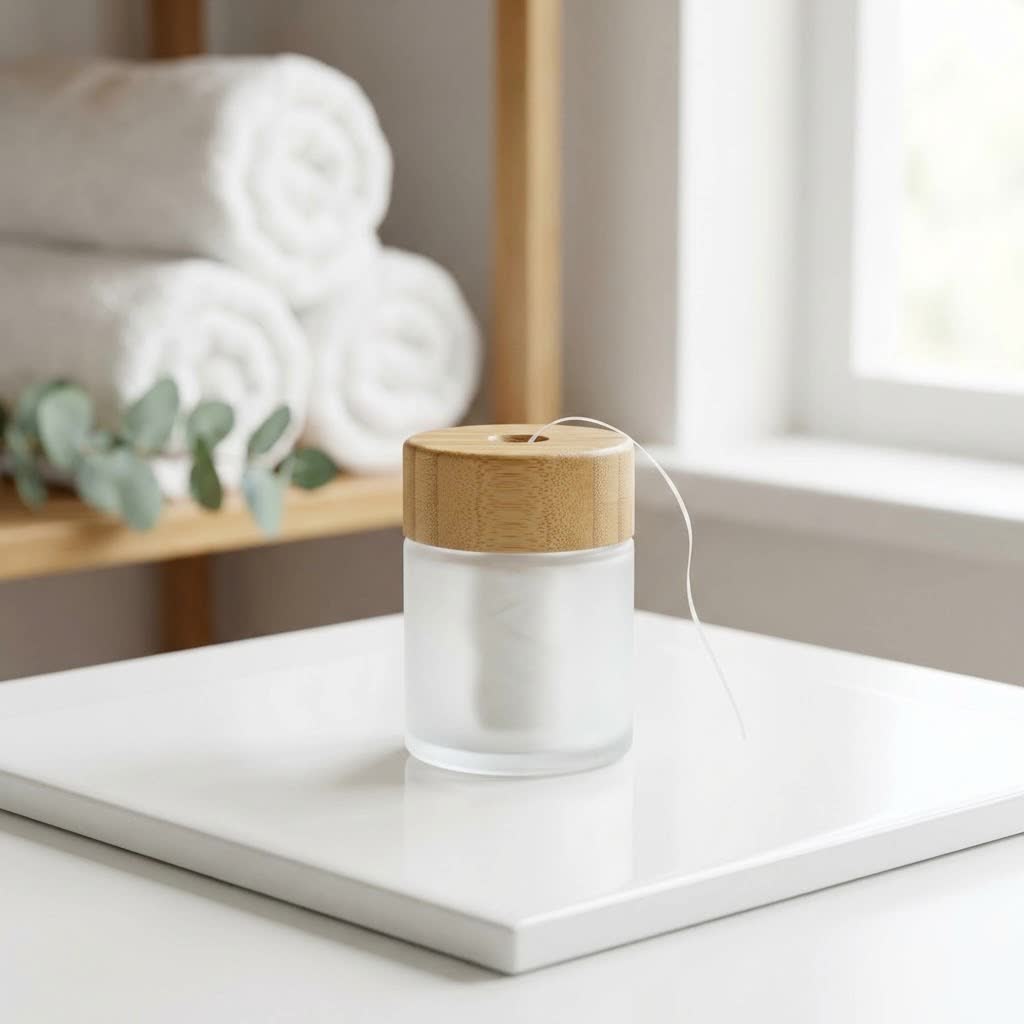
- Pros: Vegan, plant-based, biodegradable, charcoal infusion offers additional cleaning and odor control. Many come in refillable glass containers.
- Cons: Some bamboo flosses may contain a small percentage of polyester for added strength, making them biodegradable but not always 100% compostable.
- Suitable for: Vegans and those seeking extra cleaning benefits, especially if the product specifies high compostability.
Corn Starch/PLA Dental Floss
Polylactic acid (PLA) floss, derived from corn starch, is a plant-based bioplastic that is vegan and compostable. It offers a smooth, familiar feel similar to conventional floss.
- Pros: Vegan, plant-based, biodegradable, smooth glide for easy use, often coated with plant-based waxes.
- Cons: May require industrial composting facilities for proper breakdown rather than home composting, depending on the specific product.
- Suitable for: Vegans looking for a traditional floss experience with eco-friendly benefits, especially for those with tightly spaced teeth.
Waxed Dental Floss
Many biodegradable flosses come waxed to enhance their performance. Natural waxes like candelilla wax (plant-based and vegan) or beeswax (non-vegan) are used to coat the floss. This coating helps the floss glide more easily between teeth, reduces fraying, and can improve plaque removal. Waxed floss is often preferred for those with tight teeth contacts or rough dental work.
Unwaxed Dental Floss
Some biodegradable floss options are unwaxed, providing a more fibrous texture. This can allow the floss to spread slightly and potentially cover a larger surface area of the tooth. However, unwaxed floss might be more prone to shredding, especially in tight spaces.
Dental Floss Picks
Biodegradable floss picks offer convenience and ease of use, particularly for those who find traditional string floss challenging. These picks typically feature a handle made from corn straw, wheat straw, or other plant-based materials, combined with biodegradable floss thread.
- Pros: Easy to use, great for travel, single-handed flossing.
- Cons: Still generates more waste per use than a single length of string floss from a refillable dispenser, though much less than plastic alternatives.
- Suitable for: Individuals seeking convenience, those with dexterity issues, or children.
Comparing Biodegradable Dental Floss Types
Choosing the right biodegradable dental floss often comes down to personal preference, ethical considerations, and specific oral health needs. Here’s a comparison to help you decide:
| Criteria | Silk Dental Floss | Bamboo Dental Floss | Corn Starch (PLA) Dental Floss |
|---|---|---|---|
| Material | Natural mulberry silk | Bamboo charcoal fiber | Polylactic Acid (PLA) from corn starch |
| Vegan? | No (unless specifically “Ahimsa” or un-waxed) | Yes | Yes |
| Compostability | 100% compostable (if natural wax) | Biodegradable, some 100% compostable, check label | Biodegradable, often requires industrial composting |
| Strength | Good | Good, some may contain small polyester for strength | Good |
| Smoothness | Smooth with wax | Can be slightly coarser, or smooth if finely woven | Smooth |
| Typical Wax | Beeswax, Candelilla wax | Candelilla wax | Candelilla wax, plant-based waxes |
| Unique Feature | Traditional natural option | Often charcoal-infused for extra cleaning | Similar feel to conventional plastic floss |
How to Use Dental Floss Correctly
Regardless of whether you choose traditional or biodegradable floss, proper technique is key to effective cleaning and preventing gum damage. Integrating flossing into your daily routine is as important as brushing to maintain optimal oral health.
Prepare Before Using
Start with approximately 18 inches (about 45 cm) of floss. Wrap most of it around your middle fingers, leaving about 1-2 inches (2.5-5 cm) of floss to work with. This method ensures you have a clean section of floss for each tooth.
Flossing Technique
- Grip the Floss: Hold the small section of floss tightly between your thumbs and index fingers.
- Guide into Place: Gently guide the floss between two teeth using a rubbing motion. Avoid snapping the floss, as this can injure your gums.
- Curve and Clean: Once the floss reaches the gum line, curve it into a C-shape against one tooth. Slide it gently into the space between the gum and the tooth.
- Up and Down Motion: Move the floss up and down, scraping the side of the tooth. Repeat this for the adjacent tooth before moving to the next gap. Use a new, clean section of floss for each tooth to prevent spreading bacteria.
Common Mistakes and How to Fix Them
- Snapping Floss: Avoid forcing the floss between teeth. Instead, use a gentle back-and-forth or rocking motion.
- Not Reaching Gum Line: Ensure the floss goes slightly below the gum line to clean the hidden plaque.
- Using the Same Section of Floss: This can reintroduce bacteria and food particles. Always unroll a fresh section for each tooth.
- Flossing Too Roughly: Be gentle to avoid irritating or cutting your gums. A little pressure is fine, but pain is a sign of incorrect technique or gum sensitivity.
Frequency of Flossing
Dental professionals recommend flossing at least once a day. Flossing before brushing can help loosen plaque and food debris, allowing your toothbrush and fluoride toothpaste to be more effective. Consistent daily flossing significantly contributes to preventing plaque buildup and maintaining healthy gums.
Where to Buy Biodegradable Dental Floss and What to Expect in Terms of Price
The increasing demand for sustainable products has made biodegradable dental floss more accessible. You can find these eco-friendly options through various reputable channels:
- Online Eco-Stores: Dedicated online retailers specializing in sustainable and zero-waste products often carry a wide selection of biodegradable dental floss brands.
- Health Food Stores: Many natural food markets and health stores now stock eco-friendly oral care products.
- Specialty Boutiques: Some local zero-waste shops or sustainable living stores will offer curated selections.
- Direct from Brands: Many brands sell directly from their websites, often providing detailed product information and bundle deals.
- Mainstream Retailers (Online): Platforms like Amazon also feature a growing number of biodegradable floss options, but it’s essential to carefully read product descriptions and reviews to ensure genuine biodegradability.
Price Considerations:
Biodegradable dental floss typically comes at a slightly higher price point than conventional plastic floss due to the sourcing of natural materials and sustainable manufacturing processes. However, many brands offer refillable glass or stainless steel containers, which, while having a higher initial cost, prove more cost-effective in the long run as you only need to purchase inexpensive floss refills. Consider the long-term value and the environmental benefits as part of your investment.
Buying Guide: Factors to Consider When Choosing Biodegradable Dental Floss
Selecting the best biodegradable dental floss involves more than just picking the first “eco-friendly” label you see. Consider these factors to make an informed decision that aligns with your values and oral health needs.
Type of Dental Floss
Consider the material: Silk, bamboo, or corn-based PLA.
- Silk: Excellent biodegradability, often softer, but not vegan.
- Bamboo: Strong, plant-based, often infused with charcoal, generally vegan. Check for polyester content if 100% compostability is crucial.
- Corn Starch (PLA): Vegan, offers a smooth glide, but typically requires industrial composting.
Wax Coating
Opt for floss coated with natural waxes like candelilla wax (vegan) or beeswax (not vegan). These waxes aid in smooth gliding between teeth and help prevent shredding. Avoid synthetic coatings or those with undisclosed ingredients.
Packaging
Sustainable packaging is a hallmark of truly eco-friendly products. Look for:
- Refillable Glass or Stainless Steel Containers: These are excellent for reducing plastic waste long-term.
- Compostable or Recyclable Cardboard/Kraft Paper Boxes: For refills or initial purchases.
- Plastic-Free: Ensure the entire product, including the dispenser, is free from conventional plastic.
Flavor
Many biodegradable flosses are unflavored or naturally flavored with essential oils like mint. If you prefer flavored floss, ensure the flavorings are natural and free from artificial additives.
Certifications and Transparency
Look for certifications such as USDA Organic or Fair Trade, especially for silk products. Brands that are transparent about their sourcing, manufacturing, and disposal instructions (e.g., home vs. industrial composting) are generally more trustworthy. Checking if the floss is PFAS-free is also a good indicator of a healthier choice.
Shred-Resistance and Durability
Read user reviews to gauge the floss’s performance. Some natural flosses can be prone to shredding, especially with tight teeth. Look for options that are described as strong and durable for an effective cleaning experience.
Top 3 Biodegradable Dental Floss Brands (Detailed Review)
Exploring the leading brands in biodegradable dental floss can help you find a product that aligns perfectly with your sustainability goals and oral care preferences. Here are three highly-regarded options:
1. Me Mother Earth Vegan Biodegradable Bamboo Charcoal Dental Floss
Me Mother Earth stands out with its commitment to a fully vegan and cruelty-free solution for oral hygiene.
- Pros: This floss is crafted from sustainable bamboo charcoal fiber and coated with natural candelilla wax, making it 100% vegan. It breaks down within 60-90 days, significantly reducing environmental impact. The floss is known for its durability and thin yet strong nature, allowing for effective cleaning even in tight spaces. It comes in a stylish, refillable glass container, and the packaging is entirely recyclable or biodegradable. Infused with peppermint essential oil, it leaves a refreshing sensation.
- Cons: Some users might find the flavor slightly medicinal, and it can be a bit pricier than other options.
- Price (Approx.): Mid-range, often sold in multi-packs for better value.
2. TreeBird Biodegradable Floss (Silk & Vegan Charcoal Options)
TreeBird offers a versatile range, catering to different eco-conscious preferences, with a strong focus on zero waste.
- Pros: TreeBird provides two excellent choices: a pure silk floss that is 100% compostable (non-vegan) and a vegan bamboo charcoal floss. The silk option, coated with candelilla wax, is highly praised for effectively cleaning tight teeth due to its good texture. Both options come in reusable glass or stainless steel jars, with compostable kraft paper boxes and plant-based sealing stickers for packaging. This brand’s dedication to eco-friendly packaging is a major plus.
- Cons: The silk version is not vegan. The vegan charcoal floss may contain a small amount of polyester for strength, making it biodegradable but not fully compostable. Some users have reported the silk floss breaking easily.
- Price (Approx.): Mid to high-range, reflecting the quality of materials and packaging.
3. Georganics Eco-Friendly Dental Floss (Corn-Based PLA)
Georganics is renowned for its comprehensive range of zero-waste dental care products, and its floss is no exception.
- Pros: This floss is 100% corn-based PLA, making it vegan and entirely waste-free. It comes in a refillable glass dispenser, with refill options available in compostable pouches to minimize waste. Georganics offers a variety of natural flavors, including spearmint, orange, and activated charcoal, all derived naturally without fluoride or synthetic ingredients. It’s designed for ease of use and portability, providing around 150 applications per 30-meter spool.
- Cons: While compostable, Georganics states it may require an industrial composting facility for proper disposal, meaning it might not be suitable for all home composting setups. Some users might find it a bit thick for very tightly spaced teeth.
- Price (Approx.): Mid-range, with refills offering better long-term value.
Conclusion
Choosing biodegradable dental floss is a simple yet impactful step towards a more sustainable lifestyle and improved oral health. By opting for materials like silk, bamboo, or corn-based PLA, you actively reduce plastic waste, minimize your environmental footprint, and often avoid harsh chemicals found in traditional floss. This conscious decision allows you to maintain optimal oral hygiene while contributing to a cleaner, greener planet for future generations.
Making the switch to biodegradable dental floss is an empowering choice that resonates far beyond your daily routine. It’s a testament to your commitment to both personal well-being and environmental stewardship. So, are you ready to make a positive impact, one floss at a time, and flash a smile that’s truly guilt-free?
Frequently Asked Questions
Is biodegradable dental floss as effective as regular floss?
Yes, biodegradable dental floss is just as effective as conventional floss in removing plaque and food particles from between your teeth. Many eco-friendly options are designed with similar strength and texture to ensure thorough cleaning, promoting gum health and preventing cavities.
How long does biodegradable floss take to break down?
The breakdown time for biodegradable floss varies depending on the material and composting conditions. Silk floss can decompose relatively quickly in a home compost, while bamboo and corn-based PLA flosses typically break down within 60-90 days in industrial composting facilities. Always check the product’s specific instructions.
Is all “eco-friendly” floss truly biodegradable?
Not all products marketed as “eco-friendly” are entirely biodegradable or compostable. It’s crucial to look for clear labels stating “100% biodegradable” or “compostable” and to check the material composition. Some flosses may still contain small amounts of non-biodegradable synthetic materials for strength, so read ingredients carefully.
Can I compost biodegradable dental floss at home?
Some biodegradable flosses, particularly those made from pure silk with natural waxes, are suitable for home composting. However, many corn-based (PLA) or bamboo flosses may require industrial composting facilities to break down effectively due to specific temperature and moisture requirements. Always refer to the brand’s disposal guidelines.
Is biodegradable floss safe for sensitive gums?
Many biodegradable dental flosses are made from natural materials that are often softer and gentler on sensitive gums compared to synthetic alternatives. Additionally, they are typically free from artificial dyes, fragrances, and harsh chemicals like PFAS, which can be beneficial for individuals with gum sensitivities or allergies.