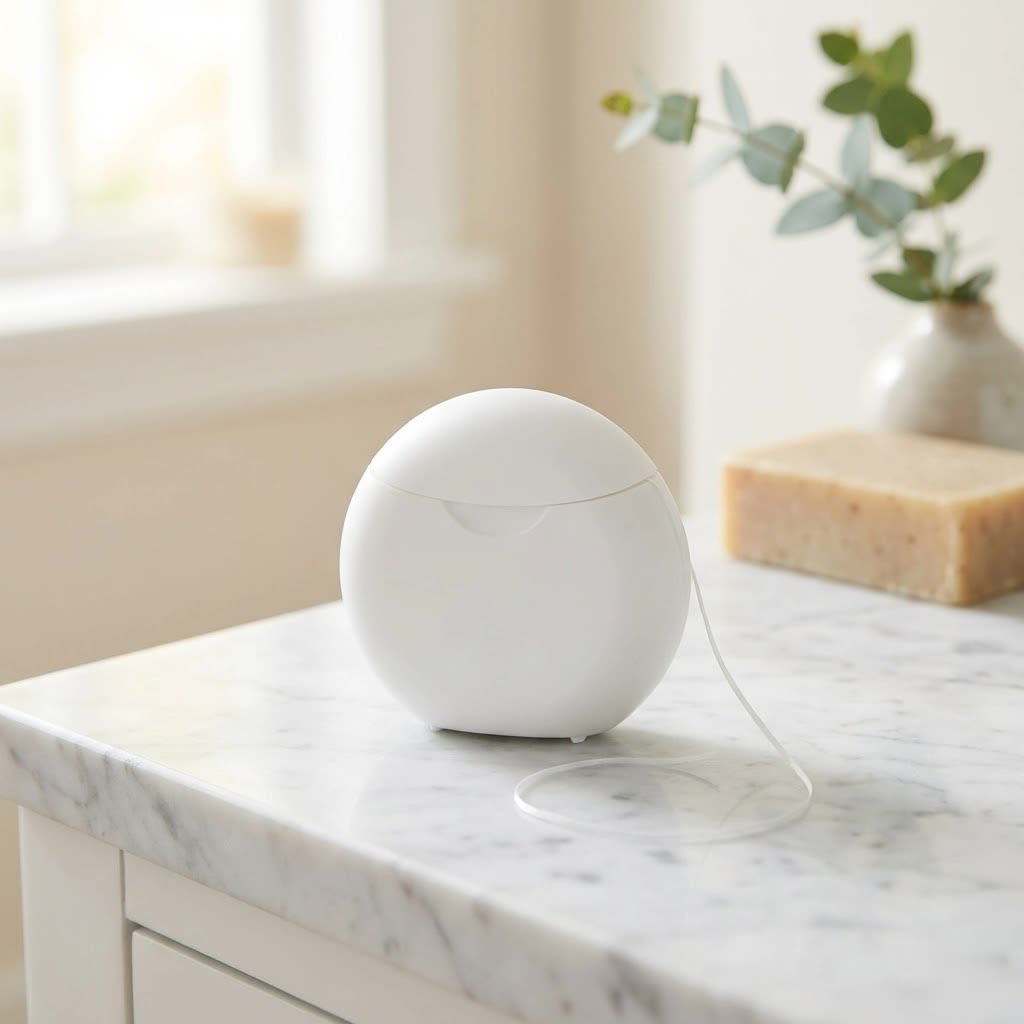
Maintaining optimal oral hygiene is crucial for a healthy smile, and while brushing twice a day is a given, many often overlook the equally vital step of flossing. Dental floss reaches where your toothbrush can’t, dislodging food particles and plaque from between your teeth and under the gumline. But with an array of Different Types Of Dental Floss available, choosing the right one can feel overwhelming. This comprehensive guide will demystify the options, helping you understand the unique characteristics of each type so you can select the perfect dental floss for your individual needs and achieve a cleaner, healthier mouth.

What is Dental Floss? Why Do You Need It?
Dental floss is a thin strand of synthetic filament, typically made from nylon or PTFE (polytetrafluoroethylene), designed to clean the tight spaces between teeth and along the gumline that a toothbrush cannot effectively reach. Its primary purpose is to remove plaque, a sticky film of bacteria that constantly forms on your teeth, and trapped food particles. Left undisturbed, plaque can harden into tartar, leading to gum inflammation (gingivitis), cavities, and more severe periodontal diseases.
The importance of incorporating dental floss into your daily oral care routine cannot be overstated. Regular flossing helps prevent a multitude of oral health problems, including:
- Cavities: By removing food debris and plaque where cavities often start.
- Gum Disease: Reducing inflammation and bleeding gums.
- Bad Breath (Halitosis): Eliminating bacteria that produce unpleasant odors.
- Tartar Buildup: Preventing the hardening of plaque into calculus.
Many dental professionals recommend flossing at least once a day to effectively disrupt plaque formation and maintain gum health. This simple act takes only a few minutes but offers significant long-term benefits for your smile and overall well-being.
Popular Types of Dental Floss on the Market
The dental floss market offers a diverse range of products, each with unique characteristics catering to different oral health needs and preferences. Understanding these variations is key to finding your ideal flossing partner.
Monofilament Dental Floss (PTFE/Glide Floss)
Monofilament floss is made from a single, smooth strand of material, typically polytetrafluoroethylene (PTFE), often marketed as “glide floss.”
- Advantages: This type of floss glides effortlessly between tight teeth and restorations, making it excellent for individuals with closely spaced teeth or those new to flossing. Its single-strand construction makes it highly shred-resistant, ensuring durability during use.
- Disadvantages: Monofilament floss can sometimes feel too slick, making it harder to grip for some users. It also tends to be slightly more expensive than traditional nylon floss.
- Suitable Users: Ideal for individuals with very tight contacts between teeth, those with dental work like crowns and veneers, and beginners who find other floss types difficult to maneuver.
|
Our Picks for the Best Dental Floss in 2026
We may earn a commission when you use one of our links to make a purchase.
|
||
| Num | Product | Action |
|---|---|---|
| 1 | DrTung's Smart Floss - Natural Dental Floss, PTFE & PFAS Free, Gentle on Gums, Expands & Stretches, BPA Free - Cardamom Flavor(Pack of 6) |

|
| 2 | Oral-B Glide Dental Floss, Scope Mint Flavor, 40 m, Pack of 6 |
|
| 3 | REACH Waxed Dental Floss, Mint, Plaque Remover for Teeth, Shred Resistant, Floss Slides Smoothly, Easy to Use, Waxed, Deep Cleaning Teeth, Oral Care, PFAS Free, for Adults & Kids, 6 Pack, 55 yd |
|
| 4 | Oral-B Glide Mint Dental Floss Picks with Long Lasting Scope Flavor, 3 Pack of 75 Picks (225 Total) |
|
| 5 | Oral-B Glide Dental Floss, Shred Resistant, Gentle on Gums, Natural Wax, Slides Smoothly, Deep Clean Cool Mint Flavor, 40 M, 3 Count |
|
| 6 | DenTek Advanced Clean Floss Picks with No Break & No Shred Dental Floss, Plaque Remover, 150 Count |
|
| 7 | Oral-B Glide Cool Mint Deep Clean Floss, 6 Count, Glide Dental Floss |
|
| 8 | Oral-B Glide Floss Pro-Health 131.2 Yds Mint Value 3-Pack |
|
| 9 | REACH Ultraclean Dental Floss, Mint, Plaque Remover for Teeth, Shred Resistant, Waxed, Easy on Gums & Teeth, Mint, Oral Care, PFAS Free, for Adults & Kids, 6 Pack, 30 yd |
|
| 10 | REACH Waxed Dental Floss, Mint, Plaque Remover for Teeth, Shred Resistant, Floss Slides Smoothly, Easy to Use, Waxed, Deep Cleaning Teeth, Oral Care, PFAS Free, for Adults & Kids, 1 Pack, 55 yd |
|
Multifilament Dental Floss (Nylon)
Multifilament floss, the most common and traditional type, is made from multiple strands of nylon fibers twisted together.
- Advantages: It is widely available, affordable, and its slightly fibrous texture can offer a good grip and effective plaque removal. It often comes in various flavors and thicknesses.
- Disadvantages: Due to its multi-strand nature, nylon floss can sometimes fray, especially when used between very tight teeth or around rough spots.
- Suitable Users: A good all-around option suitable for most people with average spacing between their teeth.
Waxed Dental Floss
Waxed dental floss is typically a multifilament nylon floss coated with a thin layer of wax.
- Advantages: The wax coating helps the floss slide more easily into tight spaces without shredding, offering enhanced durability. It also provides a smoother, less abrasive feel, which can be beneficial for sensitive gums.
- Disadvantages: The wax coating can make the floss slightly thicker than unwaxed varieties, potentially posing a challenge for extremely tight contacts. Some users may also dislike the waxy residue it leaves.
- Suitable Users: Excellent for individuals with tight tooth contacts, those prone to floss shredding, and beginners seeking a smoother flossing experience.
Unwaxed Dental Floss
Unwaxed dental floss is a thin, multifilament nylon floss without any wax coating.
- Advantages: Its thinner profile makes it easier to navigate into very tight interdental spaces. Many users appreciate the “squeak clean” feeling it provides as it grabs onto plaque more directly.
- Disadvantages: Unwaxed floss is more prone to fraying and breaking, especially between tight teeth or around sharp edges of fillings. It can also be harder to slide for some individuals.
- Suitable Users: Best suited for those with extremely tight teeth and experienced flossers who prefer a more tactile cleaning sensation and are adept at preventing fraying.
Dental Tape
Dental tape is a broader, flatter version of dental floss, often made from waxed nylon or PTFE.
- Advantages: Its wider surface area allows it to cover more tooth surface, making it highly effective for cleaning between teeth with larger gaps. It’s also typically quite strong and shred-resistant.
- Disadvantages: Due to its width, dental tape is not suitable for individuals with very tightly spaced teeth, as it may be difficult to insert.
- Suitable Users: Ideal for individuals with wider spaces between their teeth, larger tooth surfaces, or those with sensitive gums who prefer a gentler, broader cleaning tool.
Super Floss
Super floss is a specialized dental floss designed with three distinct sections: a stiffened end for easy threading, a spongy middle section for cleaning around dental appliances, and a regular floss section.
- Advantages: It’s specifically engineered to navigate challenging areas, making it highly effective for cleaning around braces, bridges, implants, and wide gaps. The spongy section is particularly good at sweeping away plaque and food debris from irregular surfaces.
- Disadvantages: Super floss comes in pre-cut segments, which can be less economical than a continuous roll. It can also feel bulky for general use between normal teeth.
- Suitable Users: An absolute must for individuals with braces, fixed bridges, implants, or very wide gaps that traditional floss struggles to clean.
Dental Floss Picks
Dental floss picks are small, handheld devices featuring a piece of floss pre-strung between two prongs on a plastic handle.
- Advantages: They offer unparalleled convenience, ease of use, and portability, making flossing on the go effortless. They are particularly helpful for individuals with dexterity issues, children, or those who find traditional flossing difficult.
- Disadvantages: Floss picks typically use a smaller length of floss, which means you might use the same section multiple times, potentially spreading bacteria. They may not reach all areas as effectively as traditional string floss and contribute to plastic waste (though reusable options exist).
- Suitable Users: Excellent for convenience, travel, quick cleans, children, and individuals with limited hand mobility. They can supplement, but often not entirely replace, traditional string floss for a thorough clean.
Comparing Different Types of Dental Floss
Choosing the right dental floss often comes down to personal preference and specific oral health needs. Here’s a comparison to help you weigh your options:
| Feature | Monofilament (PTFE/Glide) | Multifilament (Nylon) | Waxed Floss | Unwaxed Floss | Dental Tape | Super Floss | Floss Picks |
|---|---|---|---|---|---|---|---|
| Material | PTFE | Nylon | Nylon (wax-coated) | Nylon | Nylon/PTFE (often waxed) | Nylon (spongy, stiffened end) | Plastic handle with nylon/PTFE floss |
| Wax Coating | No (inherently slick) | No | Yes | No | Often Yes | No (spiffened, spongy sections) | Yes or No |
| Ease of Use | Very easy to slide | Moderate, good grip | Easier to slide | Can be harder to slide | Easy for wider gaps | Easy for specific needs | Very easy, convenient |
| Tight Gaps | Excellent | Good, but may fray | Good | Excellent (thinner) | Not ideal | Good (with stiffened end) | Good (but limited reach) |
| Wide Gaps | Good | Good | Good | Good | Excellent | Excellent (spongy section) | Moderate |
| Shred Resistance | High | Low to Moderate | High | Low | High | High | Moderate to High |
| Cost | Higher | Lower | Moderate | Lower | Moderate | Higher | Moderate (per pick) |
| Flavor Options | Yes | Yes | Yes | Limited | Yes | Limited | Yes |
This table provides a snapshot, but remember that individual brands within each type can also have varying characteristics.
How to Use Dental Floss Correctly
Knowing the different types of dental floss is one thing, but mastering the proper technique is paramount to effective cleaning. Many people floss incorrectly, missing crucial areas or even harming their gums.
Preparation Before Flossing
Start with about 18 inches (45 cm) of floss. This might seem like a lot, but it ensures you have a fresh section for each tooth.
- Wrap it: Wrap most of the floss around your middle fingers, leaving about 1-2 inches (2.5-5 cm) to work with. Use your index fingers and thumbs to guide the floss.
- New Section: As you move from tooth to tooth, unroll a fresh section of floss from one middle finger and wind the used section onto the other.
Correct Flossing Technique
Gentle but thorough action is key to effective plaque removal without damaging your gums.
- Guide the Floss: Hold the floss taut between your thumbs and index fingers. Gently slide it between your teeth using a soft, back-and-forth “sawing” motion. Avoid snapping the floss down onto your gums, which can cause injury.
- Form a “C” Shape: Once the floss reaches the gumline, curve it into a “C” shape against one tooth.
- Clean Below the Gumline: Gently slide the floss into the space between your gum and tooth until you feel slight resistance.
- Scrape Upwards: Hold the floss firmly against the tooth and scrape it upwards from the gumline towards the biting surface. Repeat this motion several times on one side of the tooth, then do the same on the adjacent tooth.
- Move to the Next Tooth: Unwind a fresh section of floss and move to the next tooth, repeating the entire process. Don’t forget the back sides of your last molars.
Common Flossing Mistakes and How to Fix Them
- Snapping the floss: This can injure your gums. Always use a gentle, controlled sawing motion to insert the floss.
- Not reaching below the gumline: Plaque hides here. Ensure you gently slide the floss into the gum sulcus (the pocket between tooth and gum).
- Using too little floss or reusing sections: This can spread bacteria. Always use enough floss to have a fresh section for each tooth surface.
- Ignoring the back of the last molars: These are often missed but equally prone to plaque buildup.
Flossing Frequency
Dental professionals, like the American Dental Association, recommend flossing at least once a day. Consistency is more important than intensity. Choose a time that works best for you, whether it’s before bed, in the morning, or after lunch, and make it a habit.
Where to Buy Dental Floss? What About Prices?
Dental floss is a readily available oral hygiene product, making it easy to purchase from various channels. Understanding where to buy and the general price range can help you make an informed decision.
Reliable Channels for Purchasing Dental Floss
- Pharmacies and Drugstores: Stores like CVS, Walgreens, Boots, and local pharmacies offer a wide selection of conventional dental floss brands, including waxed, unwaxed, PTFE, and dental tape.
- Supermarkets and Grocery Stores: Most large grocery chains carry a dedicated oral care aisle with various floss types from major brands, often at competitive prices.
- Online Retailers: Websites like Amazon, Walmart.com, and specific dental supply sites offer an extensive range, including specialized or bulk options that might not be available in physical stores. Online shopping provides convenience and the ability to compare prices easily.
- Specialty Dental Stores: Some stores specialize in dental care products, offering a broader array of professional-grade or unique floss types.
- Dental Clinics: Your dentist’s office may also sell specific types of floss, often those they recommend for particular patient needs, such as Super Floss or interdental brushes.
Price Range of Different Dental Floss Types
The cost of dental floss can vary significantly based on the type, brand, length, and whether it’s a specialty product.
- Standard Nylon Floss (Waxed/Unwaxed): Generally the most affordable, ranging from $2 to $5 for a single roll.
- PTFE/Glide Floss: Often slightly more expensive due to its advanced material, typically $3 to $7 per roll.
- Dental Tape: Similar in price to PTFE floss, around $3 to $6.
- Super Floss: Comes in pre-cut strands and can be more costly per use, ranging from $5 to $10 for a box.
- Dental Floss Picks: Sold in packs, the cost per pick is usually low, but overall can add up if used daily. A pack of 75-150 picks might cost $4 to $8.
- Natural/Biodegradable Floss: These eco-friendly options, often made from silk or corn starch, can be premium-priced, ranging from $5 to $15 for a small spool.
When selecting, consider that a higher price doesn’t always guarantee superior cleaning. The most effective floss is the one you will use consistently and correctly. Buying in multi-packs or larger rolls online can often provide better value.
Buying Guide: Factors to Consider When Choosing Dental Floss
With so many options, how do you pinpoint the best dental floss for you? Consider these key factors to ensure you make an informed choice that supports your oral health routine.
Floss Type Suited to Personal Needs
Your unique oral anatomy and dental appliances are critical considerations.
- Tight Teeth: If you have very little space between your teeth, thin unwaxed floss or smooth monofilament (PTFE) floss will glide more easily.
- Wide Gaps: Dental tape or Super Floss can be more effective for covering larger surface areas and dislodging debris from wider spaces.
- Braces, Bridges, or Implants: Super Floss with its stiffened end and spongy section is invaluable for navigating around complex dental work. Floss threaders can also assist with regular string floss.
- Sensitive Gums: Waxed floss or softer, broader dental tape can be gentler on irritated gum tissues.
- Dexterity Issues: Floss picks are an excellent choice for individuals who struggle with manipulating traditional string floss.
Floss Material
The material dictates the floss’s strength, slipperiness, and shred resistance.
- Nylon (Multifilament): Common, affordable, good grip, but can fray.
- PTFE (Monofilament): Smooth, slides easily, shred-resistant, ideal for tight spaces.
- Silk/Natural Materials: Eco-friendly alternative, often biodegradable, may be thicker or more prone to breaking than synthetic options.
Reputable Brand
While not listing specific brands, opting for products from well-established oral care companies generally ensures quality and adherence to safety standards. Look for products with the American Dental Association (ADA) Seal of Acceptance if available in your region, which signifies that the product meets efficacy and safety criteria.
Flavor Preference
Dental floss often comes in various flavors like mint, cinnamon, or even unflavored. This is purely a personal preference, but a pleasant taste can make daily flossing a more enjoyable experience and encourage consistency. If you prefer no added flavors, unflavored options are widely available.
Budget
While oral health is an investment, dental floss is generally an affordable product. Consider the cost-effectiveness of different options. Bulk purchases or multi-packs can reduce the per-unit cost. Remember, consistent use of an affordable floss is far better than inconsistent use of an expensive one.
It’s also worth noting that if traditional string floss proves too challenging, modern alternatives like water flossers (oral irrigators) can be highly effective. These devices use a stream of pulsating water to remove plaque and food debris and are particularly beneficial for those with braces, implants, or gum disease.
Top 5 Dental Floss Types for a Healthier Smile (Review and Recommendation)
Based on effectiveness, ease of use, and suitability for various needs, here are our top recommendations for different types of dental floss to help you achieve a healthier smile.
-
Best for Tight Spaces: PTFE/Glide Floss
- Pros: Exceptionally smooth, slides effortlessly between even the tightest teeth, highly shred-resistant. Minimizes discomfort and frustration.
- Cons: Can be slightly pricier than nylon floss, and its slickness might make it harder to grip for some.
- Our Take: If you struggle with floss getting stuck or shredding, PTFE floss is a game-changer. It makes flossing a much smoother and more pleasant experience, encouraging daily use.
-
Best All-Rounder: Waxed Nylon Floss
- Pros: Offers a great balance of affordability, effectiveness, and ease of use. The wax coating helps it glide reasonably well and reduces fraying, making it suitable for most individuals.
- Cons: Can still be a bit thick for extremely tight contacts, and some users dislike the waxy residue.
- Our Take: This is a fantastic starting point for anyone looking for a reliable, everyday floss. It’s forgiving for beginners and effective for general oral hygiene.
-
Best for Braces, Bridges & Wide Gaps: Super Floss
- Pros: Uniquely designed with a stiff end, spongy section, and regular floss, making it indispensable for cleaning around complex dental work where regular floss can’t reach.
- Cons: Comes in pre-cut strands, which can be less economical for general use and may feel bulky for areas without appliances.
- Our Take: If you have orthodontic appliances or extensive dental restorations, Super Floss is a non-negotiable tool. It provides targeted cleaning that prevents food traps and plaque buildup in challenging areas.
-
Best for Convenience & On-the-Go: Dental Floss Picks
- Pros: Extremely convenient, portable, and easy to use, especially for quick cleans after meals or while traveling. Great for children and those with dexterity challenges.
- Cons: Less effective than string floss for wrapping fully around each tooth, and can be single-use plastic. May not thoroughly clean below the gumline in all areas.
- Our Take: While perhaps not a full replacement for string floss, floss picks are an excellent supplementary tool for maintaining oral hygiene throughout the day, ensuring you never have an excuse to skip flossing.
-
Best Eco-Friendly Option: Natural/Biodegradable Floss
- Pros: Made from sustainable materials like silk, corn starch, or bamboo, often packaged in reusable or compostable containers, reducing environmental impact.
- Cons: Can be more expensive, and some materials may be more prone to breaking or shredding than synthetic alternatives.
- Our Take: For the environmentally conscious, these options allow you to maintain excellent oral hygiene while minimizing your ecological footprint. Ensure you choose a brand with good performance reviews for durability.
Conclusion
The world of dental floss offers a diverse range of choices, each designed to cater to different oral health needs and preferences. From the smooth glide of monofilament floss to the targeted cleaning power of Super Floss, and the sheer convenience of floss picks, there’s a perfect type of dental floss out there for everyone. The most crucial takeaway is not necessarily which type of dental floss you choose, but that you commit to using it daily. Regular flossing is an indispensable habit that complements brushing, effectively removing plaque and food debris from those hard-to-reach areas, and ultimately safeguarding your smile against cavities, gum disease, and bad breath.
Making daily flossing a non-negotiable part of your routine is a small effort with immense rewards for your long-term oral health. So, which type of dental floss will you integrate into your daily regimen for a brighter, healthier smile?
Frequently Asked Questions
How often should I floss my teeth?
Dental professionals universally recommend flossing at least once a day. This frequency is crucial for effectively disrupting plaque formation, removing trapped food particles, and preventing the onset of gum disease and cavities, ensuring comprehensive oral hygiene.
Is dental tape suitable for everyone?
Dental tape is particularly well-suited for individuals with wider spaces between their teeth, as its broader, flatter profile effectively cleans larger surface areas. However, it may not be ideal for those with very tightly spaced teeth, where it could be difficult to insert or even get stuck.
Are water flossers as effective as traditional floss?
Water flossers, also known as oral irrigators, can be highly effective in removing plaque and debris, especially for individuals with braces, implants, or sensitive gums. While studies show they can be equally effective, traditional string floss is often recommended as a primary cleaning method, with water flossers serving as an excellent supplementary tool.
Can dental floss picks replace regular floss?
While dental floss picks offer significant convenience and are great for on-the-go cleaning, they may not entirely replace the thoroughness of traditional string floss. String floss allows you to wrap the strand around each tooth in a “C” shape, which provides a more comprehensive cleaning below the gumline and on all tooth surfaces that picks might miss.
Should I choose biodegradable dental floss over traditional floss for environmental reasons?
Opting for biodegradable dental floss is an excellent eco-friendly choice if you’re concerned about environmental impact. These types often use natural materials like silk or plant-based fibers and come in sustainable packaging. While environmentally conscious, the most critical factor remains consistent and proper flossing to maintain optimal oral health, regardless of the material.