Maintaining optimal oral hygiene is crucial for a bright smile and overall well-being, yet many of us overlook a vital step: flossing. While brushing handles the surfaces, Dental Floss Brands offer specialized tools to tackle the 40% of tooth surfaces your toothbrush simply can’t reach. If you’ve ever wondered which dental floss is right for you, or how to use it effectively, you’re in the right place. This comprehensive guide, informed by over a decade of experience in dental care, will demystify the world of dental floss, helping you choose the perfect product to keep your smile sparkling and healthy.
What is Dental Floss? Why Do You Need It?
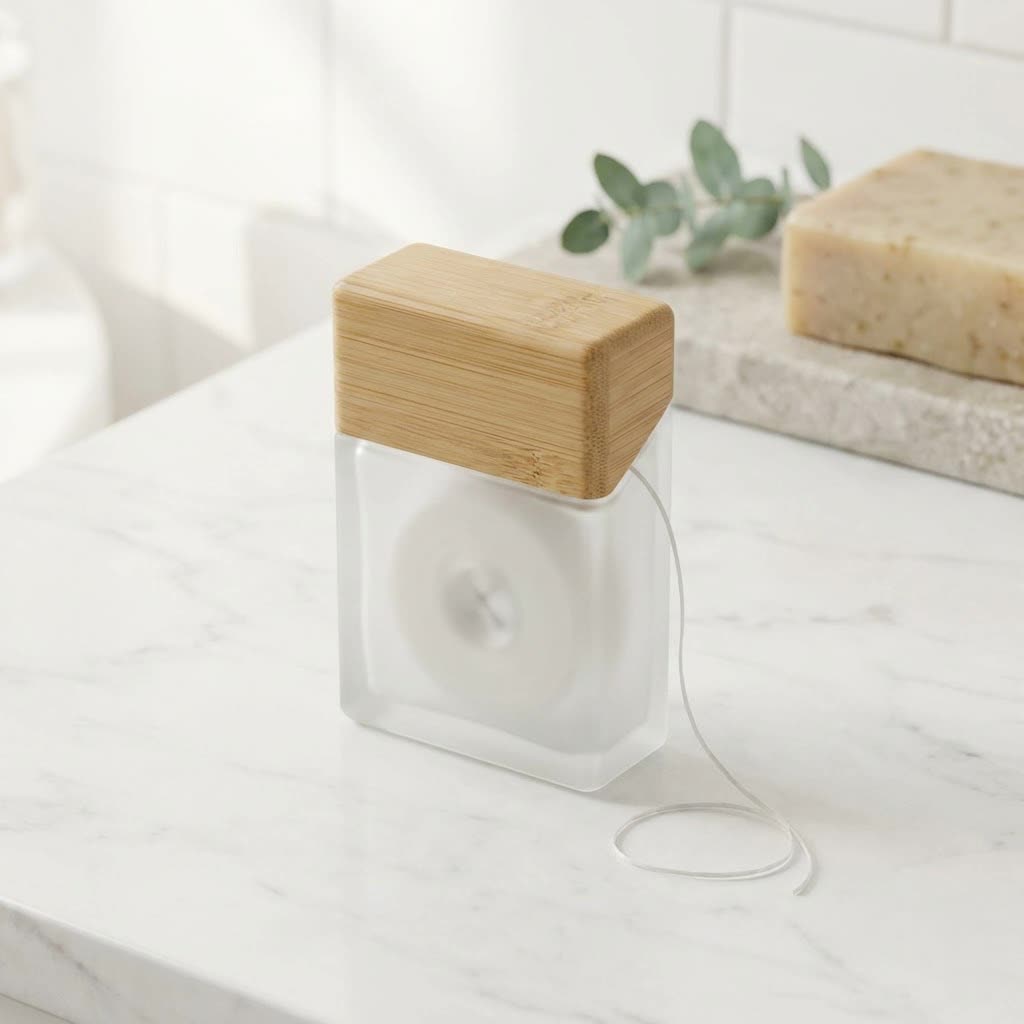
Dental floss is a thin strand of material designed to remove food particles and plaque from between your teeth and along the gumline, areas inaccessible to your toothbrush. Neglecting these spots allows plaque to build up, leading to a host of oral health issues.
Regular use of dental floss is paramount for daily oral hygiene. It acts as a preventative measure, significantly reducing the risk of common dental problems. By effectively cleaning tight spaces, flossing helps ward off tooth decay, gum disease (gingivitis and periodontitis), and persistent bad breath. Without it, you’re leaving a significant portion of your mouth vulnerable to bacterial overgrowth and potential damage.
Popular Types of Dental Floss on the Market
The market offers a diverse range of dental floss types, each with unique characteristics catering to different needs and preferences. Understanding these variations is key to finding your ideal flossing companion.
Monofilament Dental Floss (PTFE Floss)
Monofilament floss, often made from polytetrafluoroethylene (PTFE), consists of a single, smooth strand.
- Advantages: It glides easily between tight teeth and dental restorations, minimizing shredding and breaking. Its smooth surface makes it comfortable for sensitive gums.
- Disadvantages: It can be slightly more expensive than traditional nylon floss. Some users might find its smooth texture less effective at “scrubbing” away plaque.
- Suitable Users: Ideal for individuals with tightly spaced teeth, sensitive gums, or those with dental work like braces, bridges, or implants.
|
Our Picks for the Best Dental Floss in 2026
We may earn a commission when you use one of our links to make a purchase.
|
||
| Num | Product | Action |
|---|---|---|
| 1 | Oral-B Glide Floss Pro-Health 131.2 Yds Mint Value 3-Pack |

|
| 2 | REACH Waxed Dental Floss, Mint, Plaque Remover for Teeth, Shred Resistant, Floss Slides Smoothly, Easy to Use, Waxed, Deep Cleaning Teeth, Oral Care, PFAS Free, for Adults & Kids, 1 Pack, 55 yd |
|
| 3 | DrTung's Smart Floss - Natural Dental Floss, PTFE & PFAS Free, Gentle on Gums, Expands & Stretches, BPA Free - Cardamom Flavor(Pack of 6) |
|
| 4 | REACH Ultraclean Dental Floss, Mint, Plaque Remover for Teeth, Shred Resistant, Waxed, Easy on Gums & Teeth, Mint, Oral Care, PFAS Free, for Adults & Kids, 6 Pack, 30 yd |
|
| 5 | REACH Waxed Dental Floss, Mint, Plaque Remover for Teeth, Shred Resistant, Floss Slides Smoothly, Easy to Use, Waxed, Deep Cleaning Teeth, Oral Care, PFAS Free, for Adults & Kids, 6 Pack, 55 yd |
|
| 6 | Oral-B Glide Dental Floss, Scope Mint Flavor, 40 m, Pack of 6 |
|
| 7 | DenTek Advanced Clean Floss Picks with No Break & No Shred Dental Floss, Plaque Remover, 150 Count |
|
| 8 | Oral-B Glide Dental Floss, Shred Resistant, Gentle on Gums, Natural Wax, Slides Smoothly, Deep Clean Cool Mint Flavor, 40 M, 3 Count |
|
| 9 | Oral-B Glide Mint Dental Floss Picks with Long Lasting Scope Flavor, 3 Pack of 75 Picks (225 Total) |
|
| 10 | Oral-B Glide Cool Mint Deep Clean Floss, 6 Count, Glide Dental Floss |
|
Multifilament Dental Floss (Nylon Floss)
Multifilament floss is the traditional type, composed of multiple nylon strands twisted together. It comes in both waxed and unwaxed varieties.
- Advantages: Generally more affordable and widely available. The individual strands can spread out to cover more tooth surface, offering a good “scrubbing” action.
- Disadvantages: Prone to shredding or breaking, especially in very tight spaces or around rough tooth surfaces.
- Suitable Users: A good general-purpose floss for most individuals without exceptionally tight contacts or complex dental work.
Waxed Dental Floss
Waxed floss is a multifilament or monofilament floss coated with a thin layer of wax.
- Advantages: The wax coating helps the floss slide more easily between teeth, making it less likely to shred or get stuck. It’s often preferred by beginners.
- Disadvantages: The wax coating can make it slightly thicker, potentially making it harder to maneuver in extremely tight spaces. Some perceive the wax as leaving a residue.
- Suitable Users: Excellent for those with tight teeth, individuals new to flossing, or anyone prone to floss shredding.
Unwaxed Dental Floss
Unwaxed floss lacks a wax coating and is typically thinner than its waxed counterpart.
- Advantages: Its thinner profile allows it to fit into very tight spaces that waxed floss might struggle with. Many users report a “squeak” against clean enamel, indicating effective plaque removal.
- Disadvantages: It is more prone to shredding, breaking, and fraying, which can be frustrating and leave fibers between teeth.
- Suitable Users: Best for individuals with extremely tight teeth who can manage its delicate nature without excessive shredding.
Fluoride Dental Floss
Some dental floss products are infused with fluoride, designed to deliver fluoride directly to interdental spaces.
- Advantages: Provides an added layer of cavity protection to areas often missed by fluoride toothpaste and rinses.
- Disadvantages: May be slightly more expensive. The fluoride concentration might not be significant enough to offer substantial benefits beyond other fluoride products.
- Suitable Users: Beneficial for individuals prone to interdental cavities or those seeking extra cavity protection.
Dental Floss Picks
Dental floss picks are small, handheld plastic devices with a short strand of floss stretched between two prongs.
- Advantages: Extremely convenient and easy to use, especially for those with limited dexterity or when flossing on the go. They make it easier to reach back teeth.
- Disadvantages: Less effective than traditional string floss for contouring around the tooth and cleaning below the gumline. Can encourage a “snapping” motion, which may harm gums if not used carefully.
- Suitable Users: Great for children, individuals with dexterity issues, or for quick cleaning after meals. They serve as a helpful supplement, but not a complete replacement, for traditional string floss.
> “Choosing the right floss isn’t a one-size-fits-all solution. It’s about finding a product that feels comfortable, effectively removes plaque from your unique dental architecture, and that you’ll consistently use.” – Dr. Sarah Chen, Lead Dentist, Bright Smiles Clinic
Comparing Different Types of Dental Floss
To help you make an informed decision, here’s a detailed comparison of popular dental floss types:
| Feature | Monofilament (PTFE) Floss | Multifilament (Nylon) Floss | Waxed Floss | Unwaxed Floss | Floss Picks |
|---|---|---|---|---|---|
| Material | Single PTFE strand | Multiple nylon strands | Nylon (or PTFE) with wax coating | Multiple nylon strands (no coating) | Plastic holder with nylon/PTFE strand |
| Durability | Highly shred-resistant, very strong | Prone to shredding/breaking | Less likely to shred than unwaxed | Highly prone to shredding/breaking | Durable plastic holder, floss can break |
| Ease of Use | Glides smoothly, easy for tight spaces | Can be difficult in tight spaces | Glides easily, good for beginners | Can be tricky due to shredding | Very easy, good for on-the-go |
| Cleaning Power | Excellent for plaque removal | Good “scrubbing” action | Good, especially for tight spaces | Good, if used without shredding | Convenient but less comprehensive |
| Comfort | Smooth, gentle on gums | Can be rough, may fray | Smoother than unwaxed | Can feel abrasive due to fraying | Easy handling, but floss action limited |
| Price Range | Higher | Lower to moderate | Moderate | Lower | Moderate (per unit) |
| Flavor Options | Often flavored | Many flavored options | Frequently flavored | Less commonly flavored | Often flavored |
| Special Uses | Braces, bridges, implants, tight teeth | General daily use | Beginners, tight contacts | Very tight contacts | On-the-go, limited dexterity |
How to Use Dental Floss Correctly
Effective flossing goes beyond just moving a string between your teeth. Proper technique is crucial to maximize plaque removal and prevent gum damage.
Preparation Before Using
Start with a fresh piece of floss, about 18-24 inches long. This length ensures you have enough clean sections to use for each tooth. Wrap most of it around your middle fingers, leaving a small, workable section (1-2 inches) between your thumbs and index fingers. This allows you to control the floss and advance to a clean segment as you move from tooth to tooth.
Dental Floss Technique
- Holding the Floss: Hold the floss taut between your thumbs and index fingers. For upper teeth, use your thumbs to guide the floss. For lower teeth, use your index fingers.
- Inserting Floss into Tight Spaces: Gently slide the floss between your teeth using a careful sawing motion. Never snap the floss forcefully into your gums, as this can cause injury and irritation.
- Cleaning the Tooth: Once the floss reaches the gumline, curve it into a “C” shape against one side of the tooth. Gently slide the floss into the space between the gum and the tooth, going just beneath the gumline. Rub the side of the tooth with an up-and-down motion, moving away from the gum. Repeat this C-shape and cleaning action on the adjacent tooth surface, using a fresh section of floss. Make sure to clean both sides of every tooth. Don’t forget the back surfaces of your molars!
Common Flossing Mistakes and How to Fix Them
- Snapping the Floss: Forcefully snapping floss into your gums can damage delicate gum tissue and cause bleeding. Always use a gentle, controlled sawing motion to guide the floss.
- Not Going Below the Gumline: Many people only clean the visible part of the tooth. Plaque often hides just beneath the gumline. Ensure your floss gently goes into this sulcus for effective cleaning.
- Not Using a Clean Section: Reusing the same section of floss only transfers bacteria from one tooth to another. Always advance to a fresh, unused segment for each tooth.
- Skipping Teeth: It’s easy to miss back teeth or areas that are harder to reach. Be diligent and systematic, ensuring every tooth surface is cleaned.
Flossing Frequency
Dental professionals recommend flossing at least once a day. The optimal time is often before brushing, as it dislodges food particles and plaque, allowing your toothpaste to be more effective. Consistency is far more important than intensity; daily gentle flossing will yield better results than sporadic aggressive flossing.
Where to Buy Dental Floss? What About Prices?
Dental floss is a readily available oral hygiene product, and you have several reliable channels to purchase it.
You can find dental floss at:
- Pharmacies and Drugstores: Major chains like CVS, Walgreens, and local independent pharmacies offer a wide selection of brands and types.
- Supermarkets and Grocery Stores: Most large grocery stores have dedicated oral care aisles with various dental floss options.
- Specialty Dental Stores: Some stores specialize in dental products and may offer a broader range of professional-grade floss.
- Online Retailers: Websites like Amazon, Walmart, Target, and brand-specific sites provide extensive choices, often with competitive pricing and the convenience of home delivery.
Prices for dental floss can vary significantly based on the brand, type, and quantity. A standard roll of waxed or unwaxed nylon floss might range from $2 to $5. Premium options like PTFE floss, expanding floss, or specialty brands like Cocofloss can cost $5 to $10 or more per roll. Floss picks are typically sold in larger packs, with prices varying from $3 to $10 depending on the count and brand. It’s often more cost-effective to buy in bulk, especially for common types of floss.
When buying, look out for multi-packs or bundle deals that can offer better value. Always check the unit price if comparing different package sizes.
Buying Guide: Factors to Consider When Choosing Dental Floss
With so many options, selecting the right dental floss can feel overwhelming. Consider these factors to find the perfect fit for your oral care routine.
Floss Type Suitable for Personal Needs
Your dental anatomy and lifestyle play a huge role.
- Tight Teeth or Dental Work: Opt for monofilament (PTFE) floss or waxed floss to prevent shredding and glide easily.
- Gaps Between Teeth: Dental tape or expanding floss can be more effective.
- Braces or Bridges: Super floss with its stiffened ends and spongy sections, or water flossers (as an adjunct), are excellent choices.
- Limited Dexterity or On-the-Go: Floss picks offer convenience, though they should supplement regular flossing.
Dental Floss Material
Consider the material’s properties.
- Nylon (Multifilament): Offers good “scrubbing” but can shred.
- PTFE (Monofilament): Smooth, strong, and shred-resistant, ideal for tight contacts.
- Woven/Expanding: Can be gentler on gums and effective for wider gaps.
Reputable Brands
Choosing established brands often ensures product quality and reliability. Look for brands recommended by dental professionals. Some popular and well-regarded brands include Oral-B, Glide, Listerine, Cocofloss, Dr. Tung’s, and Reach. These brands often invest in research and development to improve their products.
Flavor (If Preferred)
Many dental floss brands offer mint, cinnamon, or fruit flavors which can make the flossing experience more pleasant and leave a fresh feeling. If a specific flavor encourages you to floss more regularly, it’s a worthwhile consideration. However, unflavored options are also widely available for those who prefer them.
Price Suited to Your Budget
While dental floss is generally affordable, prices can vary. Determine a budget and explore options within that range. Remember that investing in quality floss is an investment in your oral health, potentially saving you from more expensive dental treatments down the line. Balance cost with effectiveness and comfort.
Top 5 Dental Floss Brands Currently Popular (Detailed Review)
Based on dentist recommendations, user reviews, and product innovation, here are five highly-regarded dental floss brands to consider for your daily oral hygiene routine.
1. Oral-B Glide Pro-Health Dental Floss
Oral-B Glide is renowned for its smooth, shred-resistant texture, making it a go-to for many dental professionals and patients alike.
- Advantages: Its PTFE (monofilament) material allows it to glide effortlessly even between the tightest teeth and around dental work without fraying or breaking. It’s gentle on gums and highly effective at plaque removal.
- Disadvantages: Can be slightly pricier than traditional nylon floss. Some users find its overly smooth texture less satisfying for “scrubbing.”
- Estimated Price: $4-$7 per roll.
- User Reviews: Consistently praised for its ease of use and effectiveness in tight spaces, with many users noting a significant reduction in shredding compared to other brands.
2. Cocofloss Woven Dental Floss
Cocofloss stands out with its unique woven texture and delightful natural flavors, turning flossing into a more luxurious experience.
- Advantages: Made from textured, woven polyester filaments, it has a “scrubbing” effect that effectively grabs and lifts plaque. Infused with coconut oil, it’s designed to be gentler on gums and has pleasant, natural flavors. Highly recommended by many hygienists.
- Disadvantages: It is one of the more expensive options on the market. The woven texture might be too thick for extremely tight contacts for some users.
- Estimated Price: $8-$10 per roll.
- User Reviews: Highly lauded for its superior cleaning ability and enjoyable flavors, often described as a “game-changer” for those who previously disliked flossing.
3. Dr. Tung’s Smart Floss
Dr. Tung’s Smart Floss is an expanding floss that adapts to the contours of your teeth, offering a thorough clean.
- Advantages: Made from natural carnauba wax and beeswax, this multifilament floss expands when it comes into contact with saliva, effectively cleaning a larger surface area. It’s softer and gentler on gums, making it ideal for sensitive mouths. Its natural fibers are designed to be strong and resistant to shredding.
- Disadvantages: The expanding nature might feel unusual to some users initially. Like other specialty flosses, it can be more expensive.
- Estimated Price: $5-$7 per roll.
- User Reviews: Appreciated for its gentle yet effective cleaning, especially by individuals with sensitive gums or varying gaps between teeth. Users report a noticeably cleaner feel.
4. DenTek Triple Clean Advanced Clean Floss Picks
For those seeking convenience without compromising on cleanliness, DenTek’s floss picks are a popular choice.
- Advantages: Features a strong, shred-resistant floss with a textured surface for better plaque removal. The ergonomic pick handle makes it easy to reach all teeth, including molars. Includes a fold-out pick on the other end for additional cleaning.
- Disadvantages: While convenient, floss picks may not offer the same comprehensive cleaning below the gumline as proper string flossing technique. Can be less eco-friendly due to plastic waste.
- Estimated Price: $3-$6 for a pack of 75-150 picks.
- User Reviews: Highly rated for their convenience, strong floss, and ability to clean effectively on the go. Many find them excellent for quickly removing food debris.
5. Reach Waxed Dental Floss
Reach Waxed Dental Floss is a classic, reliable option known for its durability and effective plaque removal.
- Advantages: Its waxed coating allows it to slide smoothly between teeth, reducing breakage and shredding. It’s a sturdy multifilament floss that provides a good “scrubbing” action. It’s widely available and budget-friendly.
- Disadvantages: Can be thicker than unwaxed or monofilament options, which might be a challenge for extremely tight contacts.
- Estimated Price: $2-$4 per roll.
- User Reviews: A long-standing favorite for its consistent performance, affordability, and ability to resist shredding. Users often praise its reliability for daily flossing.
Conclusion
Choosing the right dental floss brand and type is a crucial step towards achieving and maintaining optimal oral health. From the smooth glide of monofilament options like Oral-B Glide to the unique scrubbing power of Cocofloss, and the convenience of DenTek floss picks, there’s a perfect solution for every individual need. Remember that consistency in flossing at least once daily, coupled with proper technique, is far more impactful than the specific brand you choose. Make flossing an enjoyable and indispensable part of your daily routine to prevent plaque buildup, cavities, and gum disease. What dental floss brand will you choose to elevate your smile today?
Câu Hỏi Thường Gặp
How often should I floss my teeth?
Dentists and hygienists recommend flossing at least once a day to effectively remove plaque and food particles from between your teeth and below the gumline. Consistent daily flossing is key to preventing cavities and gum disease, offering far greater benefits than infrequent or aggressive flossing.
Is it better to floss before or after brushing?
While the most important thing is that you floss daily, many dental professionals suggest flossing before brushing. This helps dislodge food debris and plaque, allowing the fluoride in your toothpaste to better reach and protect the cleaned surfaces of your teeth.
Can flossing hurt my gums?
If you’re new to flossing or floss too aggressively, you might experience some initial gum tenderness or bleeding. However, proper, gentle flossing should not hurt. If pain or persistent bleeding continues, it could indicate gum inflammation or improper technique, and you should consult your dentist.
What’s the difference between waxed and unwaxed floss?
Waxed floss has a thin wax coating that helps it glide more easily between teeth and reduces shredding, making it ideal for tight spaces and beginners. Unwaxed floss is thinner and can fit into very tight contacts, but it is more prone to shredding.
Are floss picks as effective as traditional string floss?
Floss picks offer great convenience for quick cleaning or for individuals with limited dexterity. However, traditional string floss, when used with the correct “C-shape” technique around each tooth, generally provides a more comprehensive clean, especially below the gumline, where plaque often accumulates.
Can children use dental floss?
Yes, children should start flossing as soon as they have two teeth that touch. Floss picks are often easier for young children to handle, but parents should supervise and assist until children develop the dexterity to floss effectively on their own, usually around ages 8-10.
What if I have braces? Which floss should I use?
For individuals with braces, traditional flossing can be challenging. Super floss, with its stiffened ends for threading under wires and spongy sections for cleaning, is highly recommended. Water flossers can also be a valuable addition to dislodge food and plaque around brackets and wires.