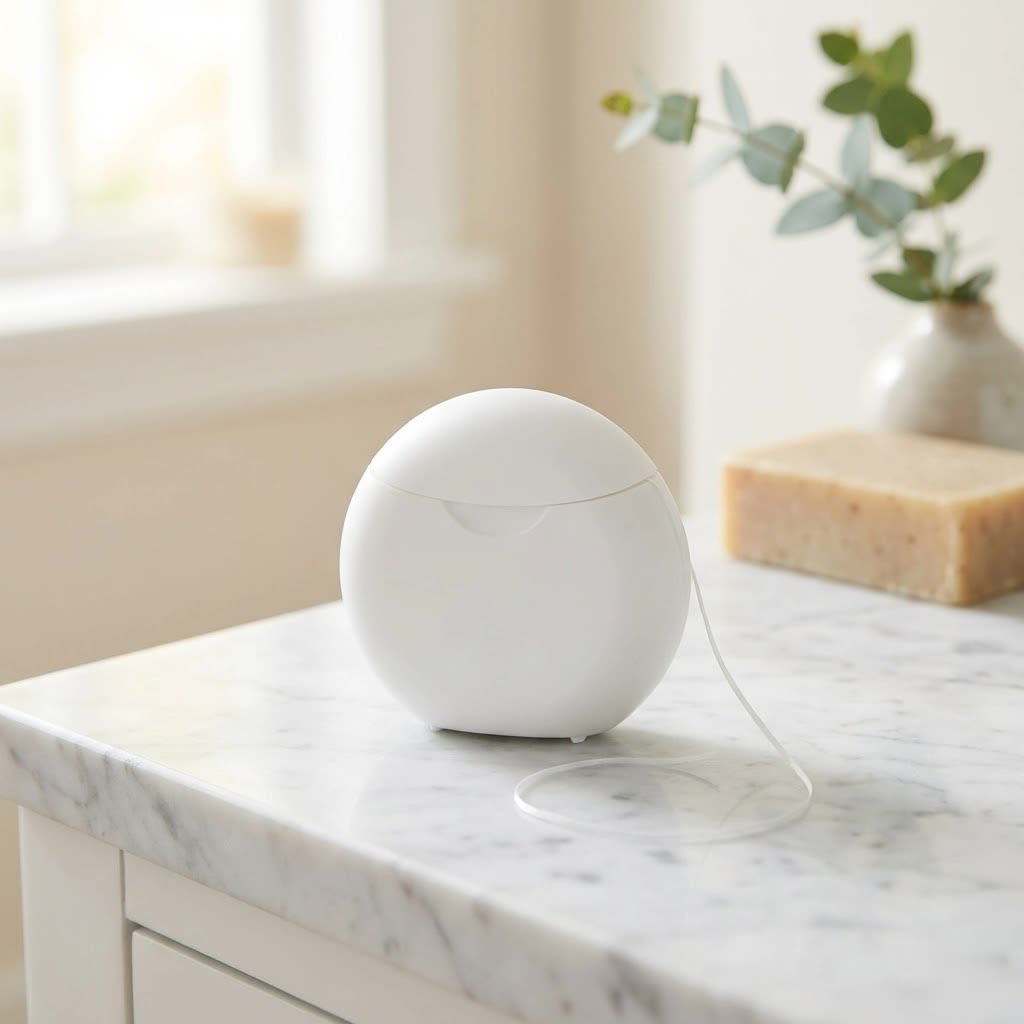
Are you truly taking the best care of your smile? While daily brushing is a common habit, the importance of a complete oral hygiene routine, championed by a comprehensive Brush And Floss Dental Center, often goes underestimated. Achieving optimal dental health extends beyond a quick brush; it involves a meticulous approach to cleaning every surface of your teeth and gums, a philosophy central to any dedicated brush and floss dental center. These centers are not just clinics; they are partners in your journey to lifelong dental wellness, emphasizing foundational practices that protect against common oral health issues and contribute to your overall well-being.
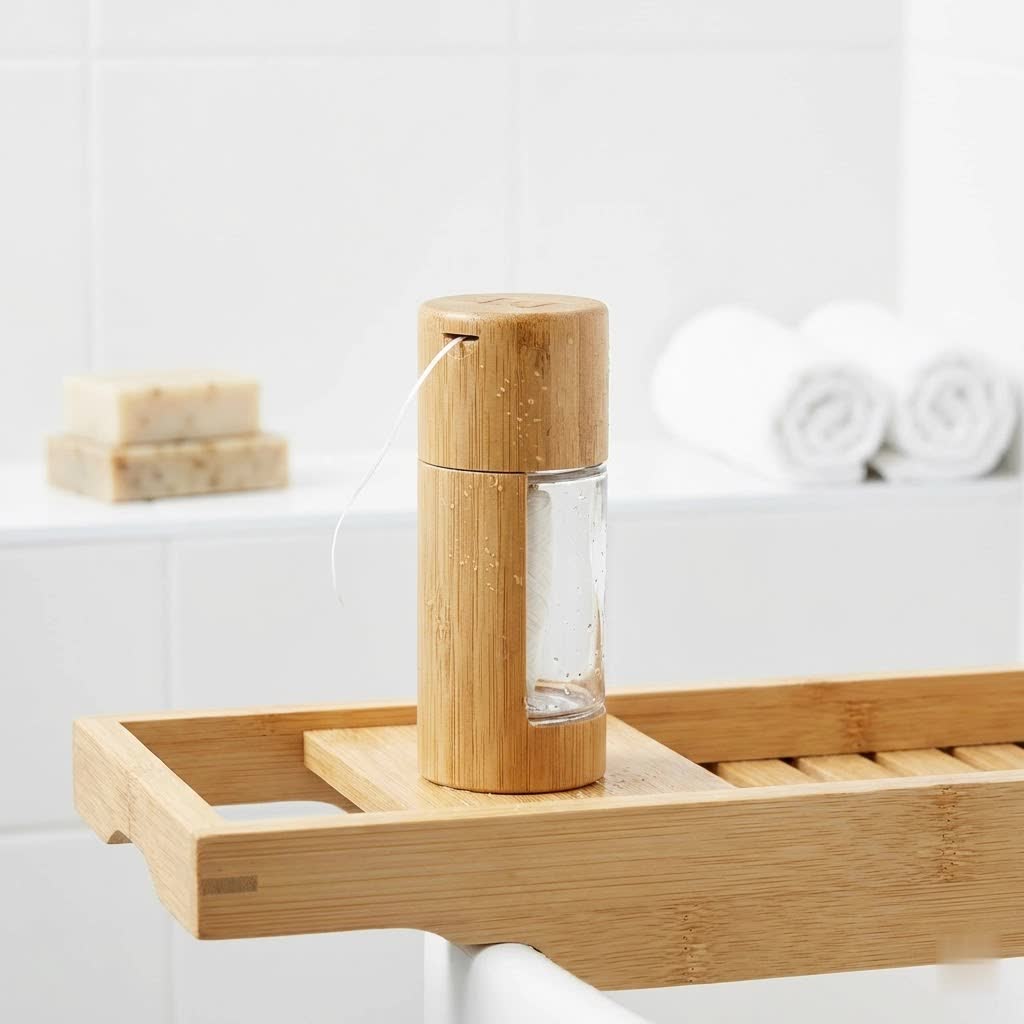
What is a Brush and Floss Dental Center? Why is Comprehensive Care Essential?
A brush and floss dental center embodies a commitment to preventative dental care, placing strong emphasis on the daily habits of brushing and flossing as the cornerstones of a healthy mouth. These centers provide a holistic approach to oral hygiene, educating patients on the profound impact these simple yet powerful practices have. Their philosophy centers on the belief that preserving natural teeth for a lifetime is achievable through diligent home care supported by professional guidance and advanced dental services.
Daily brushing and flossing are crucial for preventing an array of dental problems. Plaque, a sticky biofilm teeming with harmful bacteria, constantly forms on and around your teeth. If not removed promptly, plaque hardens into tartar, a calcified deposit that can only be eliminated through professional cleaning. Both plaque and tartar are primary culprits behind the two most prevalent dental issues: tooth decay (cavities) and gum disease. Brushing effectively removes plaque from visible tooth surfaces, while flossing targets the tight spaces between teeth and beneath the gumline where toothbrushes simply cannot reach. Together, they form an impenetrable defense against bacteria, safeguarding your oral health.
Essential Tools for Your Oral Health: Understanding Dental Floss Types
A key component of the comprehensive care offered by a brush and floss dental center is understanding and utilizing the right tools for your at-home routine, especially when it comes to dental floss. The market offers a variety of floss types, each designed with unique features to cater to different needs and preferences.
Monofilament Dental Floss
Also known as PTFE (polytetrafluoroethylene) floss, monofilament floss is made from a single strand of plastic.
- Advantages: It glides easily between tight teeth and around fillings or braces without shredding. Its smooth surface makes it comfortable to use.
- Disadvantages: It can be more expensive than other types and might feel less effective at scraping than multifilament floss to some users.
- Suitable for: Individuals with tight teeth, dental work like crowns or bridges, or those who experience shredding with traditional floss.
|
Our Picks for the Best Dental Floss in 2026
We may earn a commission when you use one of our links to make a purchase.
|
||
| Num | Product | Action |
|---|---|---|
| 1 | REACH Waxed Dental Floss, Mint, Plaque Remover for Teeth, Shred Resistant, Floss Slides Smoothly, Easy to Use, Waxed, Deep Cleaning Teeth, Oral Care, PFAS Free, for Adults & Kids, 1 Pack, 55 yd |

|
| 2 | Oral-B Glide Floss Pro-Health 131.2 Yds Mint Value 3-Pack |
|
| 3 | REACH Waxed Dental Floss, Mint, Plaque Remover for Teeth, Shred Resistant, Floss Slides Smoothly, Easy to Use, Waxed, Deep Cleaning Teeth, Oral Care, PFAS Free, for Adults & Kids, 6 Pack, 55 yd |
|
| 4 | Oral-B Glide Dental Floss, Shred Resistant, Gentle on Gums, Natural Wax, Slides Smoothly, Deep Clean Cool Mint Flavor, 40 M, 3 Count |
|
| 5 | DrTung's Smart Floss - Natural Dental Floss, PTFE & PFAS Free, Gentle on Gums, Expands & Stretches, BPA Free - Cardamom Flavor(Pack of 6) |
|
| 6 | Oral-B Glide Dental Floss, Scope Mint Flavor, 40 m, Pack of 6 |
|
| 7 | DenTek Advanced Clean Floss Picks with No Break & No Shred Dental Floss, Plaque Remover, 150 Count |
|
| 8 | Oral-B Glide Cool Mint Deep Clean Floss, 6 Count, Glide Dental Floss |
|
| 9 | Oral-B Glide Mint Dental Floss Picks with Long Lasting Scope Flavor, 3 Pack of 75 Picks (225 Total) |
|
| 10 | REACH Ultraclean Dental Floss, Mint, Plaque Remover for Teeth, Shred Resistant, Waxed, Easy on Gums & Teeth, Mint, Oral Care, PFAS Free, for Adults & Kids, 6 Pack, 30 yd |
|
Multifilament Dental Floss
This is the most common type, made from many tiny nylon strands twisted together.
- Advantages: It’s generally more affordable and offers a good “squeak clean” feeling as the fibers expand to scrape plaque.
- Disadvantages: It can fray or shred, especially in tight spaces or around rough fillings, potentially leaving behind small strands.
- Suitable for: Most individuals with average tooth spacing and no significant dental appliances.
Waxed Dental Floss
Waxed floss has a light wax coating, typically multifilament.
- Advantages: The wax helps the floss glide smoothly between teeth, making it less likely to shred. It’s often easier for beginners to use.
- Disadvantages: The wax coating can sometimes leave a residue, and some users feel it doesn’t clean as thoroughly as unwaxed floss.
- Suitable for: Beginners, individuals with tight contacts between teeth, or those prone to floss shredding.
Unwaxed Dental Floss
This type consists of multiple nylon strands without a wax coating.
- Advantages: Its thinner nature allows it to squeeze into very tight spaces. The lack of wax means it can provide a more thorough “squeak clean” as its fibers spread out.
- Disadvantages: It’s more prone to shredding or breaking, especially for those with very tight teeth or rough tooth surfaces.
- Suitable for: Experienced flossers with good manual dexterity and generally healthy gum tissue.
Fluoride Dental Floss
Some dental flosses are coated with fluoride to deliver extra cavity protection.
- Advantages: Provides an additional layer of defense against tooth decay, particularly beneficial for individuals prone to cavities.
- Disadvantages: May be slightly more expensive and less widely available than standard floss.
- Suitable for: Anyone looking for enhanced cavity prevention, especially those with a history of decay.
Dental Floss Picks
These are small, convenient tools with a piece of floss pre-strung on a handle.
- Advantages: Extremely convenient, easy to use with one hand, and great for travel or on-the-go cleaning. They can simplify flossing for those with dexterity issues.
- Disadvantages: Less flexible than string floss, making it harder to wrap around the tooth in a “C” shape for optimal plaque removal below the gumline. Can be less eco-friendly if not reusable.
- Suitable for: People with limited dexterity, children, or those seeking convenience for quick cleanings throughout the day.
Comparing Your Dental Floss Options
Choosing the right floss is a personal decision, often guided by advice from your brush and floss dental center. Here’s a brief comparison to help you weigh your options:
| Floss Type | Durability | Cleaning Effectiveness | Ease of Use | Cost | Flavor Options |
|---|---|---|---|---|---|
| Monofilament (PTFE) | High (resists shred) | Good | Very Easy | Moderate-High | Limited |
| Multifilament (Nylon) | Moderate (can shred) | Very Good (fibers spread) | Moderate | Low | Wide variety |
| Waxed Dental Floss | High (glides well) | Good | Easy | Low-Moderate | Wide variety |
| Unwaxed Dental Floss | Low (prone to shred) | Very Good (fibers spread) | Challenging for some | Low | Limited |
| Fluoride Dental Floss | Varies by base type | Good, with added protection | Varies by base type | Moderate-High | Often mint |
| Dental Floss Picks | N/A (single use) | Good (convenience focus) | Very Easy (one-hand) | Low-Moderate | Often mint, unflavored |
Mastering Your Oral Hygiene Routine: Proper Brushing and Flossing Techniques
Even with the best tools, technique is paramount. A brush and floss dental center emphasizes proper execution of your daily routine to maximize effectiveness.
Preparing for Your Oral Care Routine
Before you begin, ensure you have an American Dental Association (ADA)-approved, soft-bristle toothbrush and your chosen dental floss. It’s often recommended to floss before you brush. Recent research suggests that flossing first helps dislodge plaque and food particles, allowing your toothbrush to better clean exposed surfaces and fluoride from your toothpaste to reach more areas for strengthening enamel.
The Art of Flossing: Step-by-Step
- Length: Pull about 18 to 24 inches of dental floss from the dispenser.
- Wrap: Wind most of the floss around the middle finger of one hand, and the rest around the middle finger of the other hand. This leaves about 1-2 inches of floss for your teeth.
- Grip: Hold the floss tightly between your thumbs and index fingers.
- Guide: Gently guide the floss between your teeth using a rubbing motion. Never snap it into your gums.
- Clean: Once the floss reaches the gumline, curve it into a “C” shape against one tooth. Slide it gently into the space between the gum and the tooth. Hold it tightly against the tooth and move it gently up and down, scraping the side of the tooth.
- Repeat: Use a fresh section of floss for each tooth. Don’t forget the back side of your last molars.
Brushing for Maximum Cleanliness
- Angle: Hold your soft-bristle toothbrush at a 45-degree angle to your gums.
- Motion: Use short, gentle strokes, moving the brush back and forth across your teeth.
- Surfaces: Clean all tooth surfaces: outer, inner, and chewing surfaces.
- Duration: Brush for at least two minutes, twice a day. Consider using a timer.
- Tongue: Lightly brush your tongue to remove bacteria and freshen breath.
- Gentle: Avoid aggressive brushing, which can damage enamel and gums.
Common Mistakes to Avoid and How to Correct Them
- Skipping Floss: Brushing alone misses 40% of tooth surfaces. Make flossing non-negotiable.
- Snapping Floss: Forceful flossing can damage gums. Use gentle, controlled motions.
- Reusing Floss: A used section of floss just reintroduces bacteria. Always use a clean section for each tooth.
- Brushing Too Hard: Aggressive brushing leads to gum recession and enamel erosion. Use a soft brush and light pressure.
- Short Brushing Time: Set a timer for the recommended two minutes.
- Ignoring the Tongue: A dirty tongue contributes to bad breath and bacteria buildup.
Recommended Frequency for Optimal Oral Health
For a truly healthy smile, most dental professionals recommend brushing twice a day for two minutes each time and flossing once a day, ideally before bedtime. This consistent routine forms the bedrock of preventive care championed by any leading brush and floss dental center.
Navigating Your Dental Health Journey: Finding the Right Brush and Floss Dental Center
Choosing a dental care provider is a critical decision for your long-term oral health. A dedicated brush and floss dental center goes beyond routine check-ups; they are your partners in maintaining impeccable oral hygiene through education and comprehensive services.
When seeking a dental center, look for one that prioritizes a preventative approach, emphasizing the fundamental importance of brushing and flossing alongside advanced treatments. A reputable center will offer a full spectrum of services, from general dentistry like cleanings and checkups to more specialized treatments such as cosmetic dentistry, dental implants, and restorative procedures. They should also focus on patient comfort, utilizing the latest technology, and employing experienced, knowledgeable staff who take the time to educate you on best practices.
It’s crucial to find a center that not only treats existing problems but also actively works with you to prevent future issues. The team should be friendly, communicative, and willing to discuss your dental history, concerns, and personalized treatment recommendations. Regular check-ups and professional cleanings are non-negotiable; they allow dental professionals to remove stubborn tartar and identify potential problems early.
Your Guide to Choosing the Best Dental Floss
Selecting the right dental floss can significantly impact your daily oral hygiene routine. With many options available, a personalized choice makes flossing more effective and enjoyable.
Matching Floss to Your Unique Needs
Consider your individual dental landscape. Do you have tight teeth, braces, or wide gaps? Monofilament floss is excellent for tight spaces and dental work, while multifilament may be preferred for wider gaps. Floss picks offer convenience for those with dexterity issues or for quick cleanings on the go. Discussing your specific needs with a dental hygienist at a brush and floss dental center can provide invaluable guidance.
Material and Durability
The material of your floss affects its strength and how it glides. PTFE floss (monofilament) is typically shred-resistant and smooth. Nylon floss (multifilament) is more common but can fray. If shredding is a frequent issue, a waxed or monofilament option would be more durable.
Reputable Brands
Opt for brands that are well-regarded in the dental community and, ideally, carry an ADA seal of acceptance. This ensures the product has met specific safety and efficacy standards. While many brands exist, focusing on quality ensures you get a reliable product.
Flavor Preferences
While not essential for cleaning, flavor can make flossing more appealing. Mint is the most common, but unflavored and other unique options are available. If a pleasant taste encourages you to floss more regularly, it’s a worthwhile consideration.
Budget Considerations
Dental floss is generally an inexpensive product, but prices can vary, especially for specialized types like fluoride-coated or certain water flossers. Consider purchasing in bulk or looking for promotions to ensure you maintain a consistent supply without breaking the bank. Remember, investing in quality floss is a small price to pay for significant dental health benefits.
Top Dental Floss Products Recommended by Oral Health Experts
While specific brand recommendations can vary based on individual needs and innovations in the market, oral health experts at a brush and floss dental center often guide patients towards products that demonstrate reliability, ease of use, and effectiveness.
- Glide Pro-Health Comfort Plus Floss (PTFE): Often praised for its smooth, shred-resistant texture, making it ideal for tight contacts and dental work.
- Oral-B Essential Floss (Waxed Multifilament): A classic choice known for its strength and ability to remove plaque effectively, with a waxed coating that aids in easy maneuvering.
- Plackers Dental Flossers (Picks): Recognized for their convenience and robust design, particularly beneficial for those who struggle with traditional string floss or need an on-the-go solution.
- Waterpik Water Flosser (Water Flosser): While not traditional string floss, water flossers are frequently recommended by dental professionals as an excellent adjunct, especially for individuals with braces, implants, or gum disease, as they effectively remove plaque and food debris with a stream of water.
- Generic Unwaxed Floss: For traditionalists and those with good dexterity, a high-quality unwaxed multifilament floss can provide an excellent deep clean as its fibers spread.
Choosing the best floss often involves trying a few different types to see what works best for your unique oral anatomy and daily routine, a journey a trusted brush and floss dental center can confidently support.
Conclusion
Embracing a comprehensive oral hygiene routine, championed by a dedicated brush and floss dental center, is the most impactful step you can take towards lifelong dental wellness. By consistently brushing and flossing, you actively prevent plaque and tartar buildup, ward off tooth decay and gum disease, and contribute positively to your overall systemic health. Understanding the various types of dental floss and mastering proper techniques are essential elements of this preventative approach.
A professional dental center committed to these core principles offers not just treatments but also invaluable education and support, ensuring you have the knowledge and tools to maintain a radiant, healthy smile. Prioritizing your oral health with the combined power of brushing, flossing, and expert dental care is an investment that pays dividends for years to come. What small change can you make to your daily routine today to enhance your oral health journey?
Câu Hỏi Thường Gặp
How often should I visit a Brush and Floss Dental Center?
Regular visits to a brush and floss dental center, typically every six months, are crucial. These appointments allow dental professionals to perform thorough cleanings, remove tartar that cannot be brushed or flossed away, and conduct comprehensive examinations to detect and address any potential issues early.
Is flossing truly necessary if I brush thoroughly twice a day?
Yes, flossing is absolutely necessary. Brushing only reaches about 60% of your tooth surfaces, missing the crucial areas between teeth and under the gumline where plaque and food particles accumulate. Flossing cleans these hidden areas, preventing cavities, gum disease, and bad breath that brushing alone cannot tackle.
Can a Brush and Floss Dental Center help with sensitive teeth?
Many brush and floss dental centers offer solutions for sensitive teeth. They can diagnose the cause of sensitivity, which might range from exposed tooth roots to cavities, and recommend appropriate treatments. These may include special toothpastes, fluoride applications, or restorative procedures to alleviate discomfort and protect your teeth.
What’s the difference between traditional floss and a water flosser?
Traditional string floss physically scrapes plaque and food debris from between teeth and along the gumline. A water flosser uses a stream of water to dislodge particles and clean these areas, offering an alternative that many find easier to use, especially with braces or implants. While water flossers are excellent, some dental professionals still recommend string floss for its direct scraping action.
How can I make flossing a consistent habit?
To make flossing a regular habit, try integrating it into an existing routine, like before brushing your teeth at night. Keep floss visible near your toothbrush as a reminder. If string floss is challenging, consider using floss picks or a water flosser. Starting small and being consistent will lead to it becoming second nature.