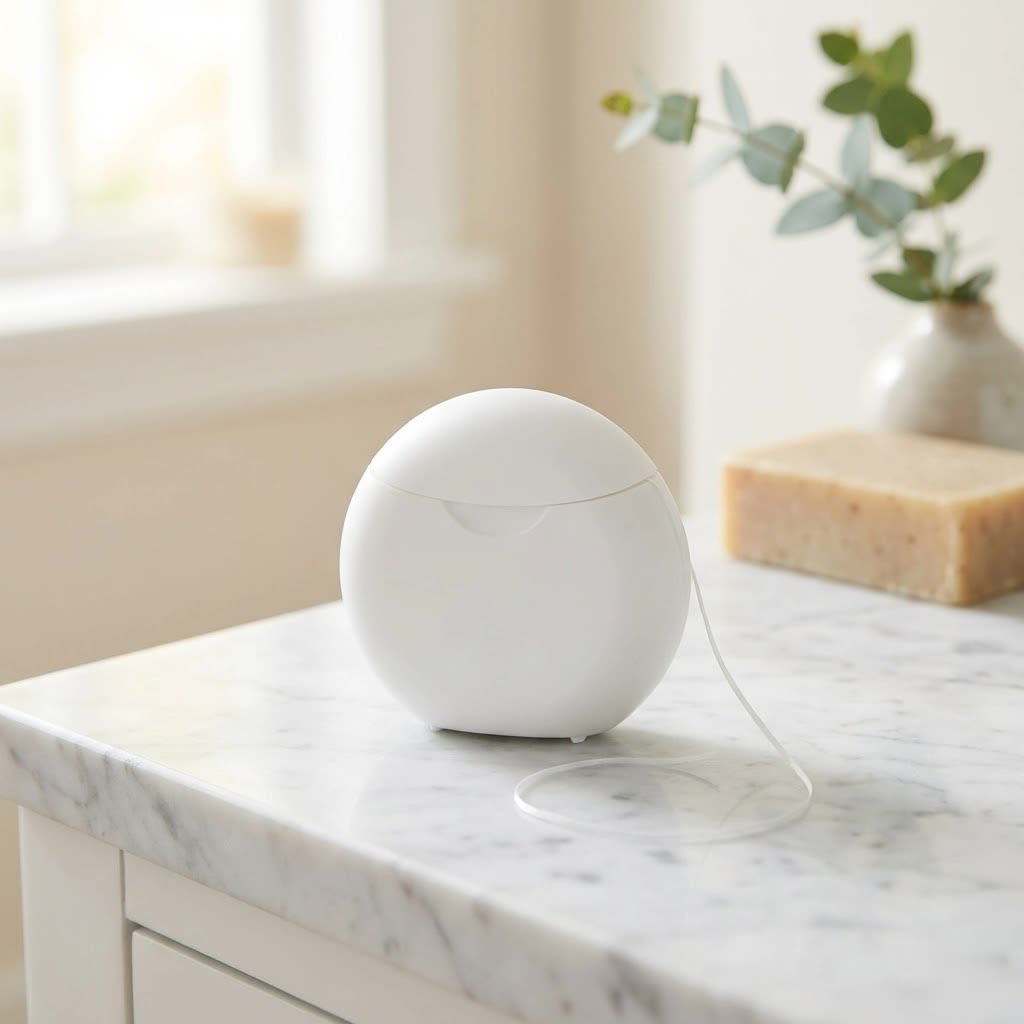
In the pursuit of optimal oral health, brushing alone isn’t enough. Dental floss plays a crucial role in reaching areas toothbrushes simply can’t, dislodging food particles and plaque to prevent cavities and gum disease. But with countless options available, choosing the right floss can be overwhelming. This comprehensive guide will help you understand dental floss, explore its various types, and discover the benefits of purchasing it in bulk to ensure your smile stays healthy and bright.

What is Dental Floss, and Why Do You Need It?
Dental floss is a thin filament used to remove food and dental plaque from between teeth and beneath the gum line, areas often missed by toothbrushes. It is an essential tool in daily oral hygiene, complementing brushing to prevent a host of dental problems. Neglecting to floss allows plaque to accumulate, leading to issues like bad breath, gingivitis (gum inflammation), cavities, and more severe periodontal disease. Regular flossing helps disrupt the sticky film of bacteria, or biofilm, that constantly forms on your teeth, safeguarding your oral health and maintaining fresh breath.
Popular Types of Dental Floss on the Market
The dental aisle offers a diverse range of floss types, each designed to cater to different needs and preferences. Understanding these variations can help you select the most effective product for your unique oral anatomy.
Monofilament Dental Floss
This type of floss is made from a single strand of material, often PTFE (polytetrafluoroethylene), which is known for its smooth texture.
- Pros: It glides easily between tight teeth and dental work, resisting shredding or breaking.
- Cons: Some materials, like PTFE, have raised concerns regarding certain chemical compounds (PFOA) in their manufacturing process.
- Suitable for: Individuals with crowded teeth, braces, or tight contacts between teeth who experience frequent shredding with other floss types.
|
Our Picks for the Best Dental Floss in 2026
We may earn a commission when you use one of our links to make a purchase.
|
||
| Num | Product | Action |
|---|---|---|
| 1 | Oral-B Glide Dental Floss, Scope Mint Flavor, 40 m, Pack of 6 |

|
| 2 | REACH Ultraclean Dental Floss, Mint, Plaque Remover for Teeth, Shred Resistant, Waxed, Easy on Gums & Teeth, Mint, Oral Care, PFAS Free, for Adults & Kids, 6 Pack, 30 yd |
|
| 3 | Oral-B Glide Floss Pro-Health 131.2 Yds Mint Value 3-Pack |
|
| 4 | Oral-B Glide Dental Floss, Shred Resistant, Gentle on Gums, Natural Wax, Slides Smoothly, Deep Clean Cool Mint Flavor, 40 M, 3 Count |
|
| 5 | Oral-B Glide Mint Dental Floss Picks with Long Lasting Scope Flavor, 3 Pack of 75 Picks (225 Total) |
|
| 6 | DenTek Advanced Clean Floss Picks with No Break & No Shred Dental Floss, Plaque Remover, 150 Count |
|
| 7 | Oral-B Glide Cool Mint Deep Clean Floss, 6 Count, Glide Dental Floss |
|
| 8 | REACH Waxed Dental Floss, Mint, Plaque Remover for Teeth, Shred Resistant, Floss Slides Smoothly, Easy to Use, Waxed, Deep Cleaning Teeth, Oral Care, PFAS Free, for Adults & Kids, 1 Pack, 55 yd |
|
| 9 | DrTung's Smart Floss - Natural Dental Floss, PTFE & PFAS Free, Gentle on Gums, Expands & Stretches, BPA Free - Cardamom Flavor(Pack of 6) |
|
| 10 | REACH Waxed Dental Floss, Mint, Plaque Remover for Teeth, Shred Resistant, Floss Slides Smoothly, Easy to Use, Waxed, Deep Cleaning Teeth, Oral Care, PFAS Free, for Adults & Kids, 6 Pack, 55 yd |
|
Multifilament Dental Floss
Composed of many tiny nylon strands twisted together, multifilament floss is the most traditional and common type. It can be either waxed or unwaxed.
- Pros: Its textured surface can be effective at sweeping away plaque, and it is generally more affordable. Unwaxed versions offer a better “squeak” for a feeling of cleanliness.
- Cons: It is more prone to shredding, especially between very tight teeth or around rough edges of fillings.
- Suitable for: Most individuals with average tooth spacing.
Waxed Dental Floss
Waxed floss, typically multifilament, has a light wax coating that helps it slide more easily between teeth.
- Pros: The wax coating makes it sturdier and less likely to fray or break during use, providing a smoother glide.
- Cons: It can be thicker than unwaxed floss, potentially making it harder to get into very small gaps. Some users may find the slickness harder to grip or the wax texture unpleasant.
- Suitable for: Beginners, those with tight tooth contacts, or anyone who finds unwaxed floss shreds too easily.
Unwaxed Dental Floss
This type of multifilament floss consists of thin nylon strands without a wax coating.
- Pros: Its thinner profile can fit into extremely tight spaces, and its non-slip grip can make it easier to hold. It provides a tactile “squeak” that many associate with thorough cleaning.
- Cons: It is not as sturdy as waxed floss and is highly susceptible to fraying or breaking, which can be frustrating during use.
- Suitable for: Individuals with very tight tooth contacts who are experienced flossers, or those sensitive to wax.
Fluoride Dental Floss
While not a distinct physical type, many waxed or unwaxed flosses are infused with fluoride.
- Pros: It delivers fluoride directly to the interdental spaces, aiding in the remineralization of enamel and strengthening teeth in areas prone to cavities.
- Cons: The added fluoride typically doesn’t impact the physical properties (shredding, thickness) of the floss.
- Suitable for: Anyone looking for an extra layer of cavity protection, especially those prone to interproximal cavities.
Dental Floss Picks
Floss picks combine a small piece of floss strung between two prongs on a plastic handle, often with a pointed end that acts as a toothpick.
- Pros: Extremely convenient and easy to use, especially for those with limited dexterity or when flossing on the go. They eliminate the need for manual handling of floss, reducing finger contamination and ensuring consistent hygiene.
- Cons: They use more plastic than traditional spools, making them less eco-friendly if not disposed of properly or if non-recyclable. They may not allow for the same “C-shape” contouring around each tooth as string floss.
- Suitable for: Children, individuals with dexterity issues, travelers, or anyone seeking a quick and easy flossing solution.
Reusable Silicone Floss
A more recent innovation, reusable silicone floss offers an eco-friendly alternative to traditional single-use options.
- Pros: Made from strong, 100% food-grade silicone, it’s durable, BPA-free, PFAS-free, and designed for repeated use after washing. It’s gentle on gums and can be effective for deep cleaning.
- Cons: May be a higher upfront cost and requires washing after each use. Its effectiveness might vary depending on tooth gaps.
- Suitable for: Eco-conscious individuals looking to reduce waste and those with regular gaps between teeth.
Comparing Different Types of Dental Floss
Choosing the best dental floss depends on your specific needs, tooth spacing, and personal preferences. Here’s a comparison to help you weigh your options:
| Feature | Monofilament Floss (e.g., PTFE) | Multifilament Floss (Waxed) | Multifilament Floss (Unwaxed) | Dental Tape | Dental Floss Picks | Reusable Silicone Floss |
|---|---|---|---|---|---|---|
| Durability | High (shred-resistant) | Medium-High (wax reduces shredding) | Low (prone to shredding) | High (wider, less prone to breaking) | Medium (floss can sometimes break) | High (designed for repeated use) |
| Ease of Use | High (slides easily) | Medium-High (smoother glide) | Medium (can snag, harder to guide) | Medium-High (good for larger gaps) | Very High (convenient handle) | High (smooth, easy to insert) |
| Cleaning Power | Excellent (glides into tight spaces) | Good (sweeps away plaque) | Good (textured surface) | Excellent (covers more surface area) | Good (effective when used correctly) | Excellent (deep cleaning ability) |
| Tooth Spacing | Tight/Crowded | Tight/Average | Very tight | Wider Gaps | All (especially useful for tight spots) | Regular gaps |
| Cost | Moderate | Low-Moderate | Low | Moderate | Low (per pick in bulk) | High (initial investment) |
| Environmental Impact | Concerns over PFAS/PFOA in some PTFE | Moderate (single-use nylon) | Moderate (single-use nylon) | Moderate (single-use nylon) | High (more plastic per use, single-use) | Low (reusable, less waste) |
How to Use Dental Floss Correctly
Proper flossing technique is crucial to effectively remove plaque and food particles without damaging your gums. Here’s a step-by-step guide recommended by dental professionals:
Preparation Before Flossing
Start by tearing off about 18 to 24 inches (45-60 cm) of dental floss. This length allows you to use a fresh section for each tooth, preventing the transfer of bacteria. Wind most of the floss around the middle finger of one hand, and the rest around the middle finger of the opposite hand. You should have about 1 to 2 inches (2.5-5 cm) of floss taut between your thumbs and index fingers.
Flossing Technique
- Hold the Floss: Hold the floss tightly between your thumbs and forefingers.
- Guide Gently: Gently slide the floss between your teeth using a soft, back-and-forth “sawing” motion. Avoid snapping the floss down into your gums, as this can cause irritation or damage.
- Curve and Clean: Once the floss reaches your gum line, curve it into a “C” shape against the side of one tooth. Slide it gently into the space between your gum and the tooth.
- Up and Down Motion: Rub the floss gently up and down against the side of the tooth, moving it from just below the gum line to the top of the tooth. Perform 8-10 strokes for each tooth surface.
- Clean Both Sides: Unwind a fresh section of floss and repeat the “C-shape” and up-and-down motion for the adjacent tooth surface.
- Progress Systematically: Continue this process for all your teeth, including the back sides of your last molars.
Common Mistakes and How to Fix Them
- Snapping Floss: Avoid forcing the floss between teeth. Use a gentle back-and-forth motion to ease it in.
- Not Curving the Floss: Failing to create a “C” shape means you’re missing a significant portion of the tooth surface and gum line.
- Using Too Much Force: Flossing should be gentle. Aggressive flossing can damage gums and lead to recession.
- Reusing Floss: Each section of floss used collects bacteria. Always use a fresh segment for each tooth to avoid reintroducing germs. The American Dental Association (ADA) does not recommend reusing floss.
Flossing Frequency
The ADA recommends cleaning between teeth with floss or another interdental cleaner at least once a day. The specific time of day doesn’t matter as much as consistency; the best time to floss is when it fits into your routine, whether morning, midday, or evening.
Where to Buy Bulk Dental Floss and What to Expect in Terms of Price
Purchasing dental floss in bulk offers significant advantages, from cost savings to ensuring you always have a supply on hand.
Reputable Channels for Buying Bulk Dental Floss
- Online Marketplaces: Websites like eBay and Amazon offer a vast selection of Bulk Dental Floss and floss picks from various brands, often at competitive prices with bulk discounts.
- Wholesale Suppliers: Specialized online retailers such as DollarDays, Quantum Labs, and Tess Oral Health cater to businesses, dental practices, and large households, offering cases of floss at wholesale rates. These are ideal for dental offices providing samples or businesses stocking hospitality kits.
- Club Stores: Large membership-based stores like Costco often sell multi-packs of popular dental floss brands at a lower price per unit than standard retail.
- Specialty Dental Stores: Some stores focus solely on dental hygiene products and may offer bulk options or larger spools.
Price Comparison for Different Bulk Dental Floss Types
Prices for bulk dental floss vary widely based on the type, brand, quantity, and specific features.
- Traditional Spooled Floss: Bulk packs often come in multi-packs (e.g., 6 or 10 spools) or larger yardage refills (200+ yards). A case of 72 waxed, mint 100-yard spools might cost around $1.76 per unit from a wholesale supplier. Smaller travel-sized spools in cases of 144 can be found for under $1 per unit.
- Floss Picks: These are frequently sold in very large counts, such as 500-count, 1000-count, or even 2000-count boxes. A 500-pack of basic floss picks can range from $10-$20, making them very economical per pick. Dental practices might buy cases of 144 individually wrapped flossers for around $1.50 per unit.
- Reusable Silicone Floss: The initial cost for a bulk pack (e.g., 25 reusable floss pieces with a case) might be higher, around $40-$60, but the per-use cost drops significantly over time due to reusability.
Considerations When Choosing Bulk Dental Floss
- Personal Needs: Do you prefer traditional string floss or the convenience of floss picks? Consider factors like shred resistance, flavor, and material.
- Material: Evaluate options like nylon, PTFE, or silicone based on their feel, effectiveness, and any environmental or health concerns.
- Brand Reputation: While bulk buying often focuses on value, reputable brands like Oral-B, Reach, GUM, and DenTek are known for consistent quality.
- Flavor: Many flosses come in mint or other flavors, which can make the flossing experience more pleasant. Unflavored options are also widely available.
- Budget: Bulk purchasing is inherently cost-effective, but compare unit prices across different suppliers and types to find the best deal for your budget.
Buying Guide: Factors to Consider When Choosing Bulk Dental Floss
Selecting the right bulk dental floss requires a thoughtful approach to ensure it meets your long-term oral hygiene needs and offers good value.
Type of Dental Floss
Determine whether string floss (monofilament, multifilament, waxed, unwaxed, fluoridated) or floss picks are more suitable for your household or practice. String floss offers greater control for shaping around teeth, while picks offer unmatched convenience.
Floss Material and Durability
Consider materials like nylon, PTFE, or silicone. Nylon (multifilament) is common but can shred. PTFE (monofilament) is smoother and shred-resistant. Silicone offers reusability. For bulk purchases, shred-resistance is key to avoid waste and user frustration.
Reputable Brands
While generic bulk options can be economical, trusted brands often offer superior quality and performance. Look for brands with positive user reviews and, for retail distribution, those with strong brand recognition.
Flavor Preference
Mint is the most common flavor, offering a fresh feeling. Unflavored options are also available for those sensitive to mint or other additives. Some children’s floss picks come in fun fruit flavors.
Cost-Effectiveness
Calculate the cost per unit or per yard when comparing different bulk packages. Sometimes a slightly higher upfront cost for a larger quantity or a more durable product can lead to greater savings in the long run. Look for options with discounts for larger case quantities.
Packaging and Portability
Consider if individual packaging is necessary (e.g., for travel kits, dental office giveaways, or hospitality). Large spools or refill packs are great for home use, while individually wrapped floss picks are perfect for on-the-go oral care.
Top Bulk Dental Floss Products
While specific product availability and “top” rankings can change, here are examples of highly regarded bulk dental floss options, covering different types:
-
Oral-B Glide Pro-Health Deep Clean Floss (Bulk Packs):
- Pros: Known for its smooth, shred-resistant texture, making it easy to glide even in tight spaces. Often comes in large multi-packs or generous yardage.
- Cons: Can be pricier per unit compared to basic nylon floss.
- Price: Varies by quantity, but typically a good value in large multi-packs.
- User Reviews: Highly praised for ease of use and effectiveness.
-
DenTek Comfort Clean Floss Picks (Large Count Boxes):
- Pros: Features a comfortable grip and a strong, mint-flavored floss. Many packs include a textured pick for additional cleaning. Excellent for convenience.
- Cons: Single-use plastic contributes to waste.
- Price: Very affordable per pick when bought in large quantities (e.g., 500+ counts).
- User Reviews: Popular for their durability and ease of reaching back teeth.
-
Freshmint Waxed Dental Floss (Wholesale Cases):
- Pros: A common choice for wholesale, offering dependable waxed nylon floss in large quantities (e.g., 144 count cases of 12 or 55-yard spools). Often features a refreshing mint flavor.
- Cons: Basic floss, may not suit individuals with extremely tight teeth.
- Price: Highly economical, often under $1 per unit in large case packs.
- User Reviews: Valued for its cost-effectiveness and suitability for general use.
-
SimplyFloss Reusable Silicone Floss (OG Bulk Pack):
- Pros: An innovative, eco-friendly option made from 100% food-grade silicone. Designed for reusability, reducing plastic waste. Gentle on gums and effective for deep cleaning.
- Cons: Higher initial investment, requires cleaning after each use.
- Price: Bulk packs containing 24 reusable floss pieces and accessories can be around $40-$60.
- User Reviews: Appreciated by environmentally conscious users and those seeking a gentle flossing experience.
“Flossing isn’t just about removing food; it’s about disrupting the sticky bacterial film that forms between your teeth and under your gums, preventing serious oral health issues. Choosing the right floss and using it correctly is non-negotiable for a truly healthy smile.” – Dr. Emily R. Chen, Lead Dentist, Bright Smiles Dental Clinic
Conclusion
Embracing bulk dental floss is a smart step towards consistent, effective oral hygiene and significant savings. From traditional string floss to convenient picks and innovative reusable options, the market offers a solution for every need. By understanding the different types, mastering proper technique, and choosing wisely from bulk suppliers, you empower yourself to maintain a healthier, brighter smile every day. Which bulk dental floss will you choose to elevate your oral care routine?
Frequently Asked Questions
Is bulk dental floss as effective as regular-sized floss?
Yes, bulk dental floss is just as effective as regular-sized floss. The term “bulk” refers to the packaging quantity, not a compromise on the quality or effectiveness of the floss itself. Many bulk options are simply larger quantities or multi-packs of popular brands.
Can I get different flavors when buying dental floss in bulk?
Absolutely! Many bulk dental floss options, especially floss picks and waxed string floss, are available in various flavors like mint. Unflavored bulk floss is also readily available for those who prefer it.
How much dental floss should I use per day?
For traditional string floss, aim to use about 18 inches (45 cm) per flossing session, ensuring you use a fresh 1-inch section for each tooth to prevent spreading bacteria. If using floss picks, generally one pick per session is sufficient, but replace it if the floss frays or becomes loaded with debris.
Is it better to floss before or after brushing?
Both methods are acceptable as long as you do a thorough job. Some people prefer to floss before brushing to dislodge particles, allowing the toothbrush and toothpaste to sweep them away. Others prefer to brush first to clean the mouth, then floss. The most important thing is to floss once a day consistently.
How long does bulk dental floss last?
The shelf life of dental floss is generally very long, often several years, as it’s not a perishable product. Stored in a cool, dry place, bulk dental floss can last for an extended period, making it a practical and cost-effective purchase.