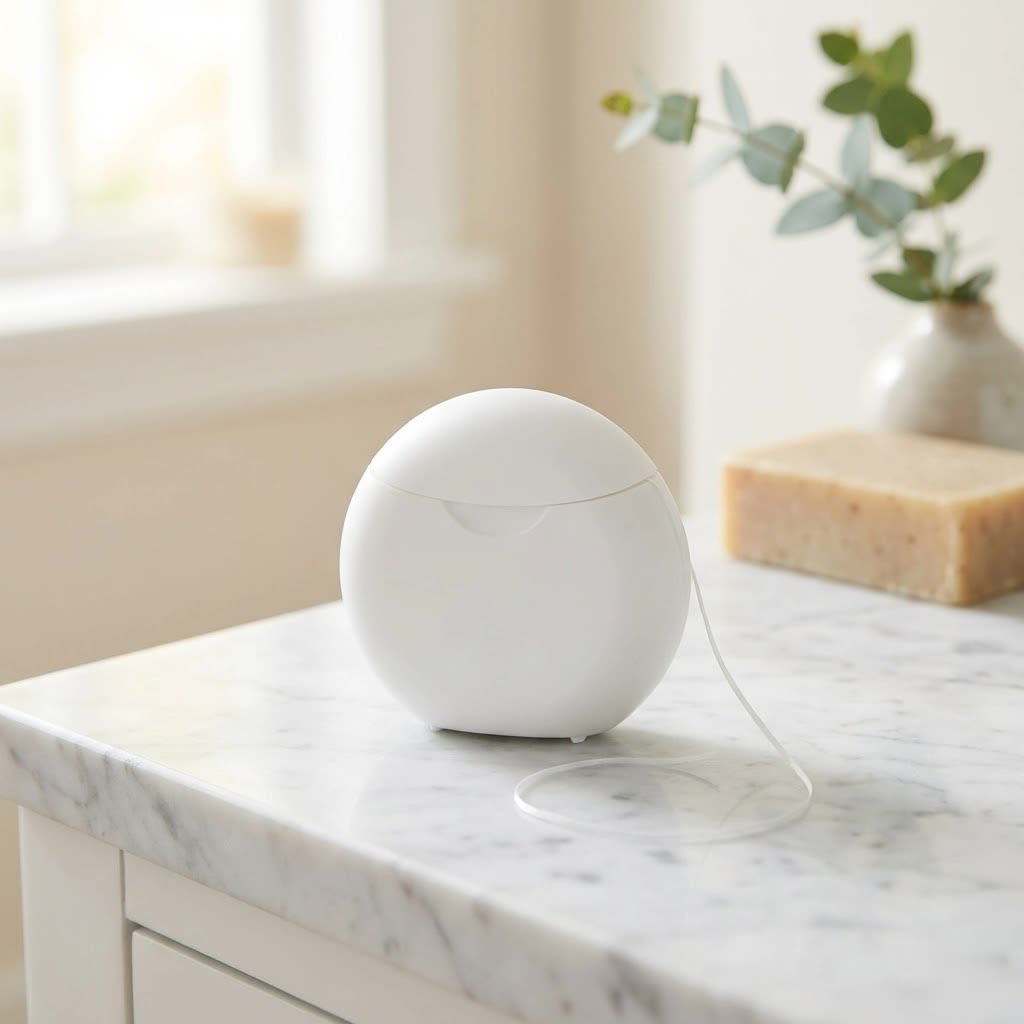
For decades, dental floss has been a cornerstone of oral hygiene, hailed as essential for removing plaque and food particles brushing can’t reach. But as we become more mindful of the ingredients in our everyday products, a critical question emerges: is your dental floss truly contributing to your overall health? Many conventional dental flosses contain hidden chemicals that could pose risks beyond your mouth. Switching to non-toxic dental floss isn’t just a trend; it’s a vital step towards safeguarding your well-being and embracing a cleaner oral care routine. This comprehensive guide will illuminate the world of non-toxic dental floss, helping you understand its importance, explore diverse options, and make an informed choice for a genuinely healthy smile.

What is Non-Toxic Dental Floss? Why Do You Need It?
Non-toxic dental floss refers to flossing products meticulously formulated without harmful chemicals often found in traditional brands. These chemicals can include per- and polyfluoroalkyl substances (PFAS), petroleum-based waxes, artificial flavors, and synthetic dyes. The primary reason to opt for non-toxic dental floss stems from the potential health risks associated with these conventional ingredients.
For instance, PFAS, often dubbed “forever chemicals,” are used in many common flosses to create a smooth, “easy-glide” texture, similar to Teflon coatings. These substances are known for their environmental persistence and can accumulate in the human body. Research has linked PFAS exposure to a range of health concerns, including hormone disruption, immune system effects, and even an increased risk of certain cancers. Given that flossing directly involves soft gum tissues, there’s a potential for these chemicals to be absorbed into the bloodstream. By choosing non-toxic dental floss, you actively avoid exposing your body to these persistent and potentially harmful compounds, protecting your overall health while maintaining excellent oral hygiene. It’s a simple yet powerful way to reduce your daily chemical load and ensure your dental care truly supports your well-being.
Popular Types of Non-Toxic Dental Floss on the Market
The market for non-toxic dental floss has expanded significantly, offering a variety of materials and formats to suit different preferences and needs. Each type brings unique benefits and considerations for your oral health and environmental impact.
Silk Dental Floss
Silk dental floss is considered one of the most natural and eco-friendly options available. It’s typically made from 100% natural silk fibers, which are biodegradable and compostable.
- Pros: All-natural, highly durable yet gentle on gums, biodegradable, and often coated with natural waxes like candelilla or beeswax. It glides smoothly between teeth without shedding.
- Cons: Generally more expensive than synthetic options. As it’s an animal product, it’s not suitable for vegans (unless “vegan silk” from plant-based sources is specified).
- Suitable for: Individuals prioritizing natural materials, environmental sustainability, and a gentle flossing experience, particularly those with sensitive gums.
|
Our Picks for the Best Dental Floss in 2026
We may earn a commission when you use one of our links to make a purchase.
|
||
| Num | Product | Action |
|---|---|---|
| 1 | REACH Ultraclean Dental Floss, Mint, Plaque Remover for Teeth, Shred Resistant, Waxed, Easy on Gums & Teeth, Mint, Oral Care, PFAS Free, for Adults & Kids, 6 Pack, 30 yd |

|
| 2 | DrTung's Smart Floss - Natural Dental Floss, PTFE & PFAS Free, Gentle on Gums, Expands & Stretches, BPA Free - Cardamom Flavor(Pack of 6) |
|
| 3 | Oral-B Glide Dental Floss, Scope Mint Flavor, 40 m, Pack of 6 |
|
| 4 | REACH Waxed Dental Floss, Mint, Plaque Remover for Teeth, Shred Resistant, Floss Slides Smoothly, Easy to Use, Waxed, Deep Cleaning Teeth, Oral Care, PFAS Free, for Adults & Kids, 6 Pack, 55 yd |
|
| 5 | DenTek Advanced Clean Floss Picks with No Break & No Shred Dental Floss, Plaque Remover, 150 Count |
|
| 6 | Oral-B Glide Floss Pro-Health 131.2 Yds Mint Value 3-Pack |
|
| 7 | Oral-B Glide Mint Dental Floss Picks with Long Lasting Scope Flavor, 3 Pack of 75 Picks (225 Total) |
|
| 8 | Oral-B Glide Cool Mint Deep Clean Floss, 6 Count, Glide Dental Floss |
|
| 9 | Oral-B Glide Dental Floss, Shred Resistant, Gentle on Gums, Natural Wax, Slides Smoothly, Deep Clean Cool Mint Flavor, 40 M, 3 Count |
|
| 10 | REACH Waxed Dental Floss, Mint, Plaque Remover for Teeth, Shred Resistant, Floss Slides Smoothly, Easy to Use, Waxed, Deep Cleaning Teeth, Oral Care, PFAS Free, for Adults & Kids, 1 Pack, 55 yd |
|
Plant-Based Dental Floss (Corn, Bamboo, PLA)
Plant-based dental floss offers an excellent vegan and biodegradable alternative to traditional synthetic floss. These options are typically made from corn starch (often polylactic acid or PLA), bamboo fibers, or other plant-derived materials.
- Pros: Biodegradable and compostable, often vegan, and produced from renewable resources. They are generally free from synthetic waxes and flavors.
- Cons: Some corn-based flosses may involve a degree of chemical processing to create the fiber. For those concerned about GMOs, seeking non-GMO corn floss is advisable.
- Suitable for: Vegans, eco-conscious consumers, and anyone looking for a sustainable, natural alternative to conventional floss.
Charcoal-Infused Dental Floss
Charcoal-infused dental floss typically combines natural fibers, such as bamboo or corn, with activated charcoal. The charcoal is purported to offer additional cleaning or detoxifying benefits.
- Pros: Often made with natural, biodegradable fibers and coated with natural waxes. The charcoal may help with odor absorption and give a feeling of extra cleanliness.
- Cons: The scientific evidence for charcoal’s specific benefits in floss for whitening or detoxifying is limited, and some find the dark color less appealing or potentially messy.
- Suitable for: Individuals interested in natural products and those who enjoy the novelty or perceived benefits of charcoal for oral hygiene.
Waxed vs. Unwaxed Non-Toxic Dental Floss
The choice between waxed and unwaxed non-toxic floss primarily comes down to user preference and tooth spacing, with a focus on natural coatings.
- Natural Waxed Floss: This type is coated with natural waxes like candelilla wax (plant-based) or beeswax, which helps the floss glide more easily between tight teeth and resist shredding.
- Pros: Excellent for tight contacts, less likely to fray, often feels smoother, and can be easier for beginners to handle.
- Cons: Can be thicker, and some users prefer a “cleaner” feel.
- Suitable for: People with tightly spaced teeth, those new to flossing, or anyone seeking a smoother glide.
- Unwaxed Floss: Unwaxed non-toxic floss is simply the natural fiber (silk, plant-based) without any coating.
- Pros: Can provide a better “squeak clean” feel, as it doesn’t leave any wax residue. It’s often thinner and can be preferred by those who want the most natural feel possible.
- Cons: More prone to shredding, especially with tight teeth, and can be more challenging to maneuver.
- Suitable for: Individuals with wider gaps between teeth, experienced flossers, or those who prefer a completely natural, unadulterated flossing experience.
Dental Floss Picks (Non-Toxic Options)
Non-toxic dental floss picks offer the convenience of a pre-threaded floss segment on a small handle, often made from plant-based or biodegradable plastics.
- Pros: Extremely convenient for on-the-go cleaning, excellent for individuals with limited dexterity, and can be easier for children to use.
- Cons: While the floss itself can be non-toxic, the plastic handle, even if biodegradable, contributes more waste per use than a roll of floss. They may not allow for the same comprehensive “C-shape” cleaning around each tooth.
- Suitable for: Travel, quick touch-ups, people with braces, or anyone who finds traditional flossing challenging. Look for picks with biodegradable handles to minimize environmental impact.
Comparing Different Non-Toxic Dental Floss Types
Choosing the right non-toxic dental floss involves weighing various factors. Here’s a comparative overview to help you make an informed decision:
| Feature | Silk Dental Floss | Plant-Based Dental Floss (Corn/Bamboo) | Charcoal-Infused Floss | Natural Waxed Floss | Unwaxed Floss | Floss Picks (Non-Toxic) |
|---|---|---|---|---|---|---|
| Material | 100% natural silk | Corn starch (PLA), bamboo fiber, other plant materials | Natural fibers (e.g., bamboo) with activated charcoal | Natural fibers (silk, plant-based) with natural wax | Natural fibers (silk, plant-based) | Floss (silk, plant-based) on a plant-based plastic handle |
| Biodegradability | Excellent, compostable | Excellent, compostable | Good (depends on base fiber) | Good (depends on base fiber and wax) | Good (depends on base fiber) | Good (for floss and handle if plant-based) |
| Ease of Use | Good, smooth glide | Good, can vary by brand (some may fray) | Good, smooth glide | Excellent, glides easily, resists shredding | Can be challenging, prone to shredding | Excellent, very convenient |
| Durability | High, strong | Moderate to high | Moderate to high | High | Moderate | Moderate (for the floss segment) |
| Cost | Higher | Moderate to high | Moderate to high | Moderate to high | Moderate | Moderate to high (per pick) |
| Typical Coating | Natural waxes (candelilla, beeswax) or none | Natural waxes (candelilla, beeswax) or none | Natural waxes (candelilla, beeswax) or none | Natural waxes (candelilla, beeswax, carnauba) | None | Often natural wax or none |
| Vegan Friendly | No (unless specific “vegan silk” mentioned) | Yes | Yes (if base fiber and wax are vegan) | Yes (if candelilla wax and base fiber are vegan) | Yes (if base fiber is vegan) | Yes (if floss and handle are vegan-friendly) |
| Environmental Impact | Very low | Very low | Low | Low | Very low | Moderate (more waste per use, even if biodegradable) |
How to Use Non-Toxic Dental Floss Correctly
Proper flossing technique is crucial, regardless of the type of floss you use. Even the best non-toxic dental floss won’t be effective if not used correctly. Mastering the technique ensures you remove plaque and food particles efficiently without harming your gums.
Preparation Before Use
Before you begin, ensure your hands are clean. Wash them thoroughly with soap and water to prevent transferring bacteria into your mouth. Then, unroll about 18 inches (approximately 45 cm) of dental floss. This length allows you to use a fresh section for each tooth, avoiding the reintroduction of plaque.
Flossing Technique
Using dental floss effectively involves a gentle, controlled approach to clean each tooth surface.
- Holding the Floss: Wrap most of the floss around your middle fingers of both hands, leaving about 1-2 inches (2.5-5 cm) of floss taut between your thumbs and index fingers. This short working section gives you better control.
- Guiding into Place: Gently slide the floss between your teeth using a gentle back-and-forth or sawing motion. Be careful not to snap the floss into your gums, as this can cause irritation or damage.
- Cleaning Each Tooth: Once the floss reaches the gum line, curve it into a “C” shape against one tooth. Slide it gently into the space between the tooth and gum until you feel slight resistance. Then, move the floss up and down against the side of the tooth, ensuring you clean thoroughly. Repeat this “C” shape and up-and-down motion on the adjacent tooth surface before carefully removing the floss.
- Advance to a New Section: Unwind a fresh section of floss from one finger and wind the used section onto the other finger for each new tooth or tooth gap you clean. This ensures you’re always using a clean segment of floss.
Common Mistakes and How to Fix Them
Many people make common mistakes that reduce flossing effectiveness or cause gum damage.
- Snapping the Floss: Rapidly snapping the floss into your gums can cut or bruise the delicate tissue. Instead, use a gentle, controlled sawing motion to guide the floss between teeth.
- Not Reaching the Gumline: Only cleaning the visible parts of the teeth leaves plaque and food particles at the gum line, where periodontal disease often begins. Always gently guide the floss just below the gum line.
- Reusing Floss: Reusing the same section of floss between multiple teeth spreads bacteria and plaque. Always use a fresh section for each tooth to ensure thorough cleaning.
- Ignoring Back Teeth: Ensure you reach and clean all teeth, especially the molars at the back of your mouth, which are often overlooked.
Flossing Frequency
Dental professionals generally recommend flossing at least once a day. Integrating it into your daily routine, perhaps before brushing, can significantly improve your oral health. Consistent daily flossing helps prevent plaque buildup, reduces the risk of cavities, and combats gum disease, contributing to a healthier mouth and fresher breath.
Where to Buy Non-Toxic Dental Floss? How Much Does It Cost?
As consumer awareness of product ingredients grows, non-toxic dental floss has become more accessible. However, it’s still primarily found in specific retail channels rather than every convenience store.
You can typically find non-toxic dental floss in:
- Specialty Health and Wellness Stores: These stores often stock a wide range of natural and organic personal care products, including various non-toxic floss brands.
- Online Retailers: Websites specializing in eco-friendly products, natural personal care, or direct-to-consumer brand sites are excellent sources. Large online marketplaces also carry many options, but always verify the ingredients and brand reputation.
- Some Pharmacies or Drugstores: A growing number of larger pharmacies are dedicating sections to natural health products, where you might find a limited selection.
- Dental Offices: Some forward-thinking dental practices might offer or recommend specific non-toxic brands to their patients.
The cost of non-toxic dental floss can vary more widely than conventional floss, typically ranging from $5 to $15 per roll or pack.
- Silk floss tends to be on the higher end due to the natural material and production process.
- Plant-based options (corn, bamboo) usually fall in the mid-range.
- Dental floss picks (non-toxic versions) might seem more expensive per piece, but offer convenience.
When purchasing, always prioritize checking the ingredient list for clarity. Look for certifications (e.g., USDA Organic, verified non-GMO, cruelty-free) and evidence of third-party testing if available. Reading customer reviews can also provide insight into product performance and user satisfaction, helping you make an informed decision that aligns with your budget and values.
Buying Guide: Factors to Consider When Choosing Non-Toxic Dental Floss
Selecting the ideal non-toxic dental floss involves a thoughtful assessment of your personal needs, values, and oral health goals. It’s more than just picking a pretty package; it’s about making an informed decision for your health and the planet.
Type of Dental Floss Material
Consider the base material of the floss, as this impacts biodegradability, feel, and ethical considerations.
- Silk: Opt for silk if you prioritize a fully natural, compostable material and are comfortable with an animal-derived product. It’s often very strong and glides well.
- Plant-Based (Corn, Bamboo, PLA): Choose these if you need a vegan, biodegradable option. Look for certifications like non-GMO for corn-based flosses. They are excellent for environmental consciousness.
- Charcoal-Infused: If you’re curious about the potential extra cleaning benefits or prefer the aesthetic, ensure the base material is also natural and non-toxic.
Wax Type (Natural vs. None)
The coating significantly affects the flossing experience.
- Natural Waxed (Candelilla, Beeswax, Carnauba): Ideal for tight teeth, beginners, or those who prefer an easier glide. These waxes are natural and won’t introduce harmful chemicals. Candelilla wax is a great vegan alternative to beeswax.
- Unwaxed: Best for individuals with wider gaps or those who prefer a “squeaky clean” feel without any residue. Be aware it might fray more easily.
Brand Reputation and Transparency
Trust is paramount when choosing non-toxic products.
- Read Labels Carefully: Look for clear, comprehensive ingredient lists. Avoid brands with vague terms like “proprietary blend” or “fragrance” without further detail.
- Research the Brand: Seek out brands that are transparent about their sourcing, manufacturing processes, and third-party testing for contaminants like PFAS. Reviews and brand websites can offer valuable insights.
Flavor (Natural Essences)
If you prefer flavored floss, ensure the flavorings are derived from natural essences.
- Natural Flavors: Look for mint, tea tree oil, or other natural extracts. Avoid artificial flavors and sweeteners, which can sometimes cause irritation or contain unwanted chemicals.
Packaging and Environmental Impact
For many, choosing non-toxic extends to minimizing environmental impact.
- Zero-Waste/Refillable: Consider brands offering refillable glass or metal dispensers.
- Plastic-Free Packaging: Opt for cardboard, paper, or compostable packaging to reduce plastic waste.
Cost vs. Value
While non-toxic options can sometimes be more expensive upfront, consider the long-term value.
- Investment in Health: View it as an investment in your oral and overall health by avoiding potentially harmful chemicals.
- Sustainability: Many non-toxic options are also more sustainable, aligning with eco-conscious values.
By carefully evaluating these factors, you can confidently select a non-toxic dental floss that not only cleans your teeth effectively but also aligns with your health and environmental principles.
Top Non-Toxic Dental Floss Brands
Several brands stand out in the non-toxic dental floss market for their commitment to natural ingredients, efficacy, and sustainability. Here are a few highly regarded options:
Dr. Tung’s Smart Floss
Dr. Tung’s Smart Floss is often praised for its unique expanding action. Made from polyester fibers (though PFAS-free), it expands during use to clean a larger surface area, which users find effective. It’s coated with natural plant and beeswax and uses natural cardamon flavor.
- Pros: Expands to clean effectively, gentle on gums, natural coating and flavor.
- Cons: Not fully biodegradable (polyester base).
- Price: Mid-range.
- General User Feedback: Many appreciate its “smart” expanding feature for thorough cleaning and its gentle feel.
Radius Natural Silk Floss
Radius offers a natural silk floss that is a favorite among eco-conscious consumers. It’s made from 100% pure silk and coated with natural candelilla wax, making it both biodegradable and vegan (the candelilla wax variant). It often comes in a plastic-free, recyclable cardboard box.
- Pros: Fully biodegradable, plastic-free packaging, natural materials, vegan-friendly (with candelilla wax).
- Cons: Can be more expensive than synthetic options.
- Price: Higher-range.
- General User Feedback: Highly valued for its eco-credentials and smooth, effective flossing experience.
Dental Lace Refillable Dental Floss
Dental Lace champions a zero-waste approach with its refillable glass container and biodegradable silk or plant-based (PLA) floss. The floss itself is coated with candelilla wax, making it vegan.
- Pros: Truly zero-waste, refillable glass dispenser, biodegradable floss options, vegan-friendly.
- Cons: Initial purchase cost for the glass container is higher, but refills are more economical.
- Price: Higher initial cost, but economical refills.
- General User Feedback: Enthusiastically praised by those committed to reducing waste and seeking sustainable oral care solutions.
Public Goods Dental Floss
Public Goods offers a simple yet effective non-toxic dental floss made with natural candelilla wax. While the floss material is often polyester, it’s explicitly PFAS-free and designed for smooth gliding. It’s known for its minimalist and eco-friendly packaging.
- Pros: PFAS-free, natural candelilla wax, elegant and eco-conscious packaging, good glide.
- Cons: Not fully biodegradable (polyester base).
- Price: Mid-range.
- General User Feedback: Users appreciate its clean ingredient list, subtle mint flavor, and sleek design.
> “Choosing non-toxic dental floss is a crucial step for holistic health. The mouth is a gateway to the body, and minimizing exposure to ‘forever chemicals’ like PFAS through daily routines like flossing is a proactive measure for long-term well-being.” – Dr. Elena Petrova, Environmental Health Specialist
Conclusion
Embracing non-toxic dental floss is a simple yet impactful decision for your oral health and overall well-being. By moving away from conventional flosses laden with potentially harmful chemicals like PFAS, you protect your body from unnecessary exposure to “forever chemicals” and contribute to a healthier planet. From biodegradable silk and plant-based alternatives to natural wax coatings and zero-waste packaging, a diverse array of non-toxic options ensures you don’t have to compromise on effective cleaning or personal values.
Making the switch allows you to maintain diligent oral hygiene while aligning your choices with a cleaner, more sustainable lifestyle. It’s a testament to the fact that small changes in daily routines can have significant positive ripples. Are you ready to upgrade your dental care routine and experience the peace of mind that comes with knowing your smile is cared for safely and naturally?
Frequently Asked Questions
Is non-toxic dental floss really necessary?
While conventional dental floss effectively removes plaque, many brands contain PFAS (Per- and Polyfluoroalkyl Substances), which are “forever chemicals” linked to various health concerns. Non-toxic floss avoids these chemicals, offering a safer alternative for your daily oral hygiene and reducing your chemical exposure.
What are PFAS and why are they bad?
PFAS are a group of man-made chemicals used for their non-stick and water-resistant properties, often found in conventional floss for easy gliding. They are known as “forever chemicals” because they don’t break down in the environment or the human body and have been associated with hormone disruption, immune system issues, and potential cancer risks.
Can I use any natural floss?
While “natural” is a good starting point, it’s essential to check the ingredient list. Ensure the floss is free from PFAS, petroleum-based waxes, and artificial colors or flavors. Look for materials like silk, corn, or bamboo, and coatings like candelilla wax or beeswax.
Is silk floss vegan?
Traditional silk floss is not vegan as it’s derived from silkworms. However, some brands offer “vegan silk” made from plant-based materials like corn or castor oil, providing a cruelty-free alternative with a similar feel and biodegradability. Always check product descriptions for specific vegan certifications.
How often should I floss with non-toxic floss?
Regardless of the type, dental professionals recommend flossing at least once a day. Consistent daily flossing is crucial for removing plaque and food particles that brushing alone cannot reach, effectively preventing cavities, gum disease, and bad breath.