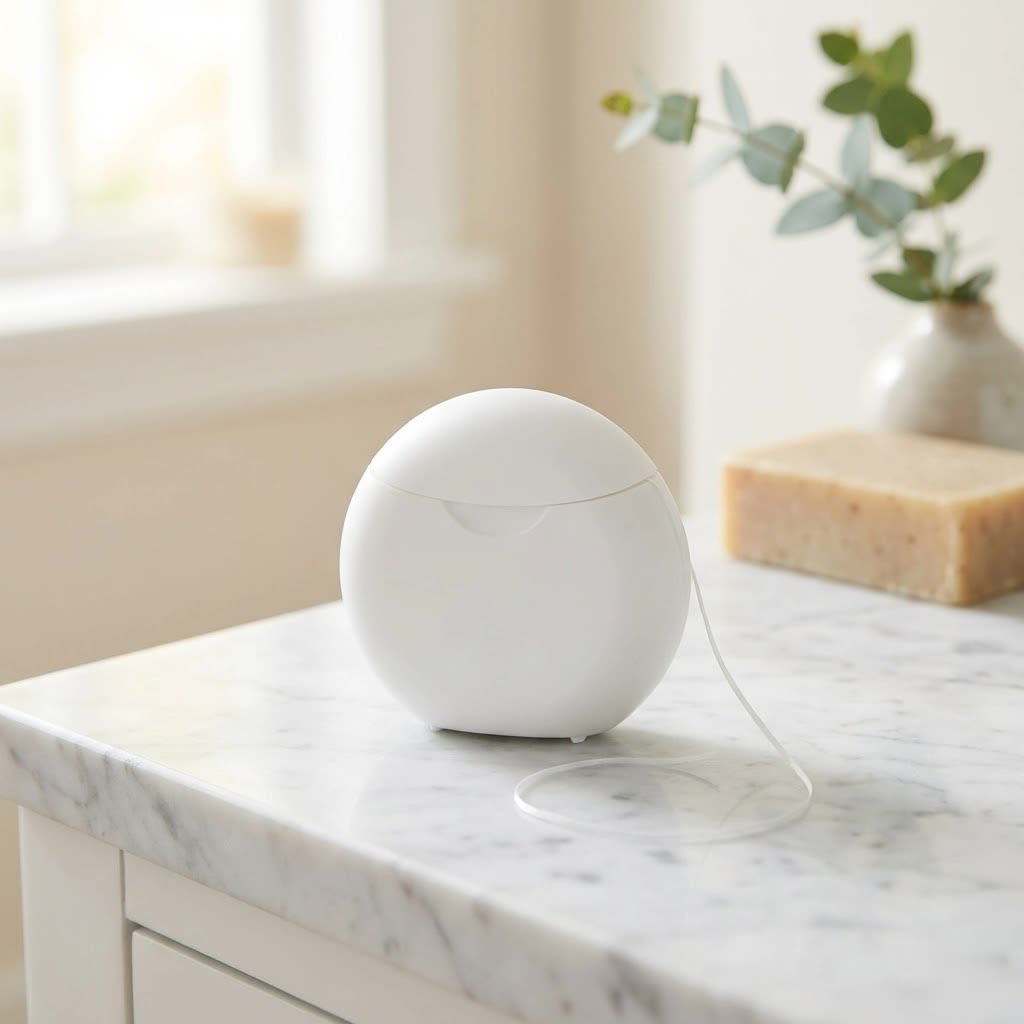
Stepping into the dental aisle, you might feel overwhelmed by the myriad of choices, from various flavors to different materials. Yet, an increasing number of individuals are seeking alternatives that align with a holistic lifestyle, prompting a natural revolution in oral care. Have you considered the environmental and health impact of your daily flossing routine? Organic Dental Floss offers a compelling solution, providing effective cleaning while prioritizing your well-being and the planet. This comprehensive guide will illuminate everything you need to know about organic dental floss, helping you make an informed choice for a healthier, more sustainable smile.
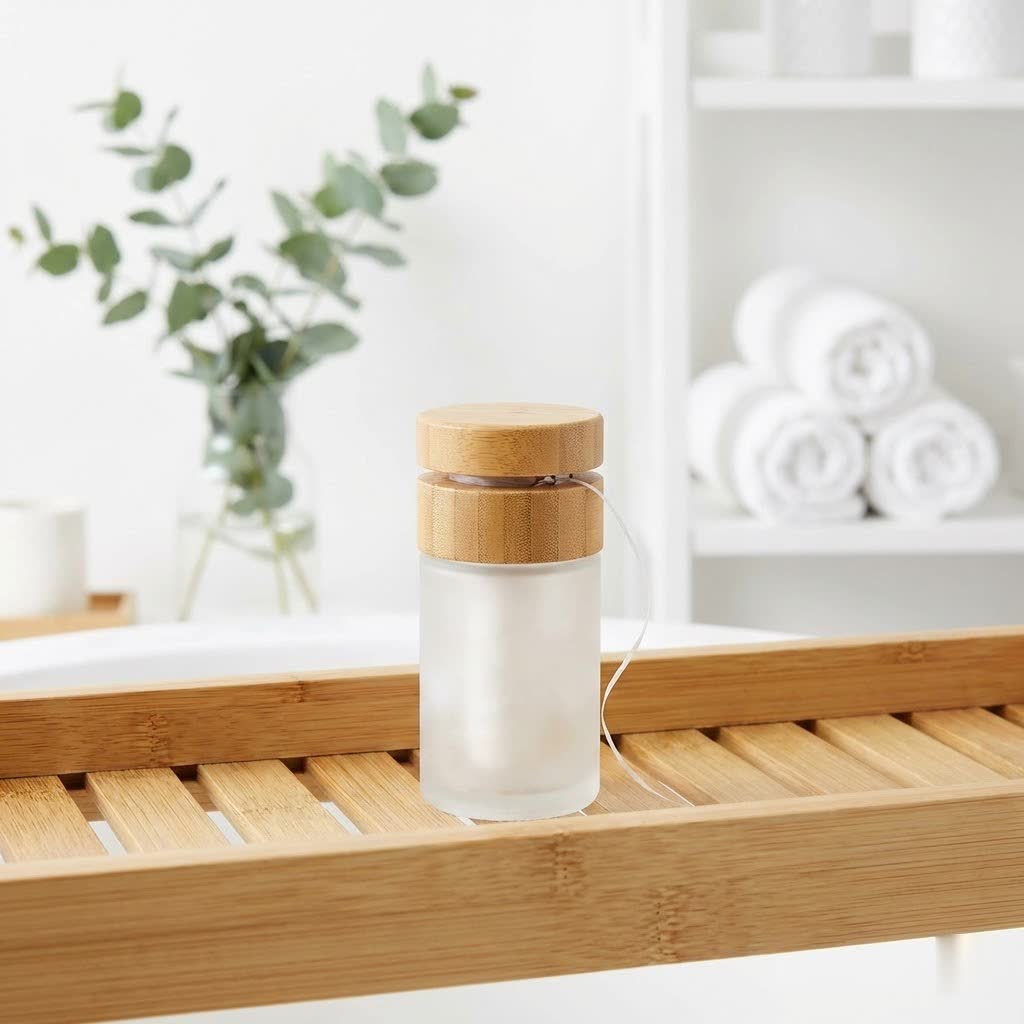
What is Organic Dental Floss? Why Do You Need It?
Organic dental floss is more than just a string for cleaning your teeth; it’s a commitment to a healthier body and a healthier environment. Unlike conventional dental floss, which is typically made from petroleum-derived nylon or Teflon and housed in plastic containers, organic dental floss is crafted from natural, sustainable, and often biodegradable materials. These include silk, bamboo fiber, or plant-based materials like corn starch or castor oil-derived biobased PA1010. The key distinction lies in what it doesn’t contain: harmful chemicals such as parabens, BPA, PVCs, phthalates, synthetic colors/dyes, and PFAS (per- and polyfluoroalkyl substances).
The importance of incorporating organic dental floss into your daily oral hygiene routine cannot be overstated. Regular flossing is crucial for removing plaque and food particles trapped between your teeth and under the gum line, areas your toothbrush often misses. Neglecting this vital step can lead to a host of oral health issues, including cavities, bad breath, gingivitis, and more severe gum disease. By choosing an organic option, you not only effectively clean your teeth and promote healthier gums by reducing bacteria buildup, but you also avoid introducing potentially harmful chemicals into your mouth and body. Furthermore, the eco-friendly nature of organic floss, with its biodegradable materials and plastic-free packaging, significantly reduces your environmental footprint, helping to preserve marine life and lessen landfill waste.
Popular Types of Organic Dental Floss
The world of organic dental floss offers a variety of materials, each with unique characteristics catering to different preferences and needs. Understanding these types can help you select the best option for your oral care.
Silk Dental Floss
Silk dental floss is a traditional and highly regarded organic option. Typically made from mulberry silk or Ahimsa (peace) silk, it is known for its smooth texture and strength. Silk floss glides easily between teeth, making it gentle on sensitive gums while being effective at dislodging plaque and food particles.
- Pros: Naturally strong, smooth glide, gentle on gums, 100% biodegradable and compostable.
- Cons: Not vegan (unless Ahimsa silk, where silkworms complete their lifecycle), generally more expensive.
- Suitable for: Individuals seeking a luxurious feel, those with sensitive gums, and anyone prioritizing biodegradability.
|
Our Picks for the Best Dental Floss in 2026
We may earn a commission when you use one of our links to make a purchase.
|
||
| Num | Product | Action |
|---|---|---|
| 1 | Oral-B Glide Dental Floss, Shred Resistant, Gentle on Gums, Natural Wax, Slides Smoothly, Deep Clean Cool Mint Flavor, 40 M, 3 Count |

|
| 2 | Oral-B Glide Cool Mint Deep Clean Floss, 6 Count, Glide Dental Floss |
|
| 3 | Oral-B Glide Floss Pro-Health 131.2 Yds Mint Value 3-Pack |
|
| 4 | REACH Ultraclean Dental Floss, Mint, Plaque Remover for Teeth, Shred Resistant, Waxed, Easy on Gums & Teeth, Mint, Oral Care, PFAS Free, for Adults & Kids, 6 Pack, 30 yd |
|
| 5 | REACH Waxed Dental Floss, Mint, Plaque Remover for Teeth, Shred Resistant, Floss Slides Smoothly, Easy to Use, Waxed, Deep Cleaning Teeth, Oral Care, PFAS Free, for Adults & Kids, 1 Pack, 55 yd |
|
| 6 | REACH Waxed Dental Floss, Mint, Plaque Remover for Teeth, Shred Resistant, Floss Slides Smoothly, Easy to Use, Waxed, Deep Cleaning Teeth, Oral Care, PFAS Free, for Adults & Kids, 6 Pack, 55 yd |
|
| 7 | DrTung's Smart Floss - Natural Dental Floss, PTFE & PFAS Free, Gentle on Gums, Expands & Stretches, BPA Free - Cardamom Flavor(Pack of 6) |
|
| 8 | DenTek Advanced Clean Floss Picks with No Break & No Shred Dental Floss, Plaque Remover, 150 Count |
|
| 9 | Oral-B Glide Mint Dental Floss Picks with Long Lasting Scope Flavor, 3 Pack of 75 Picks (225 Total) |
|
| 10 | Oral-B Glide Dental Floss, Scope Mint Flavor, 40 m, Pack of 6 |
|
Plant-Based Dental Floss
An excellent vegan alternative, plant-based dental floss is derived from various natural fibers. Common materials include bamboo fiber, corn starch, or even biobased PA1010 derived from castor oil. These options are designed to be strong, effective, and environmentally responsible.
- Pros: Vegan-friendly, often biodegradable, helps reduce plastic waste, can be infused with natural oils like peppermint or tea tree for added benefits.
- Cons: Some plant-based options, like those made from corn, might be coated with a non-vegan wax if not specified. Quality can vary between brands, impacting shred resistance.
- Suitable for: Vegans, those looking for petroleum-free options, and environmentally conscious consumers.
Waxed vs. Unwaxed Organic Dental Floss
Just like conventional floss, organic dental floss comes in waxed and unwaxed varieties, using natural coatings.
- Waxed Organic Dental Floss: Coated with natural waxes such as beeswax, candelilla wax (a vegan plant-based alternative), or carnauba wax. This coating helps the floss glide smoothly between tight teeth and increases its strength, making it less prone to shredding.
- Pros: Easier to use for tight spaces, less shredding, often has a pleasant natural flavor.
- Cons: Some waxes (beeswax) are not vegan.
- Suitable for: Most users, especially those with tightly spaced teeth or new to flossing.
- Unwaxed Organic Dental Floss: This type of floss lacks a wax coating, allowing its natural fibers to expand slightly during use.
- Pros: Can offer a more thorough “scrubbing” action for plaque removal, often preferred by those with wider gaps between teeth.
- Cons: More prone to shredding, might be harder to maneuver in very tight spaces.
- Suitable for: Individuals with wider gaps between teeth or those who prefer a less lubricated feel.
Organic Dental Floss Picks
For those who find traditional string floss challenging to use, organic dental floss picks offer a convenient solution. These picks typically feature plant-based handles (e.g., corn starch) and a short segment of organic floss.
- Pros: Easy to handle, great for on-the-go use, ideal for children or individuals with dexterity issues.
- Cons: Still generates more waste than refillable string floss (though significantly less than plastic picks), some handles may not be as robust.
- Suitable for: Anyone seeking convenience, travelers, or individuals who struggle with traditional flossing techniques.
Comparing Organic Dental Floss Varieties
Choosing the right organic dental floss involves weighing several factors. Here’s a comparative overview to help you decide:
| Feature | Silk Dental Floss | Plant-Based (e.g., Corn/Bamboo) | Waxed (Natural Wax) | Unwaxed | Floss Picks (Organic) |
|---|---|---|---|---|---|
| Material | Mulberry or Ahimsa Silk | Bamboo fiber, Corn starch, Castor oil-based PA1010 | Silk, Plant-based, or Synthetic (not truly organic) | Silk or Plant-based (without wax) | Plant-based handle (corn starch), Organic floss |
| Wax Type | Natural (beeswax or candelilla wax) | Natural (candelilla wax, beeswax) | Beeswax, Candelilla wax, Carnauba wax | None | Natural (candelilla wax, beeswax) |
| Biodegradability | Excellent, compostable within 6 months | Good to excellent, depending on exact material | Good (wax itself is biodegradable) | Excellent | Handle is biodegradable; floss is organic |
| Feel/Glide | Smooth, gentle, strong | Smooth to slightly fibrous, good glide | Very smooth, strong, less shredding | Can be prone to shredding, “scrubby” feel | Easy, convenient, pre-cut |
| Vegan Option | Ahimsa silk only (check product details) | Often vegan (check wax coating) | Candelilla/Carnauba waxed is vegan | Often vegan | Often vegan (check handle & floss material) |
| Price Range | Higher | Mid-range | Mid to Higher | Mid-range | Mid-range |
| Best For | Sensitive gums, luxury feel, compostable | Vegans, eco-conscious, general use | Tight teeth, general use, prevents shredding | Wider gaps, sensitive gums | Convenience, travel, beginners |
How to Use Organic Dental Floss Correctly
Mastering the art of flossing is as important as choosing the right floss. Proper technique ensures you maximize plaque removal and avoid damaging your gums.
Preparation Before Flossing
Start by tearing off approximately 18 to 24 inches (45-60 centimeters) of organic dental floss. This generous length allows you to use a fresh section for each tooth, preventing the reintroduction of bacteria. Wind most of the floss around the middle finger of one hand, and the rest around the middle finger of the other hand. Leave about one to two inches of floss taut between your thumbs and index fingers, creating a small working section.
Flossing Technique
- Grip and Guide: Use your thumbs and index fingers to hold the floss firmly. Gently guide the floss between your teeth using a soft, saw-like (zigzag) motion. Avoid snapping the floss down, which can injure your gums.
- Form a “C” Shape: Once the floss reaches the gum line, curve it into a “C” shape against one side of the tooth, wrapping it around as much of the tooth surface as possible.
- Clean Each Surface: Gently slide the floss up and down, moving it from the gum line to the top of the tooth. Ensure you go slightly beneath the gum line to clean the sulcus (the pocket between the tooth and gum). Repeat this action several times before moving to the adjacent tooth surface.
- Use a Fresh Section: As you move from tooth to tooth, unroll a fresh, unused section of floss from one finger and wind the used section onto the other middle finger. This prevents transferring bacteria from one tooth space to another. Don’t forget to floss the back side of your last molars.
Common Mistakes and Solutions
- Snapping Floss: Avoid forcing the floss between teeth. Use a gentle back-and-forth motion to navigate tight contacts.
- Not Going Under the Gum Line: The goal is to clean just beneath the gum line. Ensure your “C” shape gently hugs the tooth and dips slightly into the gum sulcus without causing pain.
- Using the Same Floss Section: Always use a fresh section for each tooth to prevent spreading bacteria.
- Too Much Force: Flossing should be gentle. If your gums bleed consistently or you experience pain, you might be flossing too aggressively or have underlying gum inflammation. Consult your dentist.
Frequency of Use
The American Dental Association recommends flossing at least once a day. Many dental professionals suggest flossing before brushing, as this dislodges plaque and food particles, allowing your toothbrush and toothpaste to effectively clean them away. Incorporating this routine daily significantly contributes to optimal oral health.
Where to Purchase Organic Dental Floss and What to Expect in Terms of Price
The growing demand for sustainable and natural products has made organic dental floss more accessible than ever. You have several reliable channels for purchasing it, and understanding the price landscape can help you budget effectively.
Reliable Purchase Channels
- Online Retailers: Websites like Amazon, Grove Collaborative, and specialty eco-friendly stores (e.g., Earth Hero, Seek Bamboo, The Humble Co.) offer a wide selection of organic dental floss brands. Many brands also sell directly from their own websites, often providing subscription services for refills.
- Health Food Stores and Organic Markets: These stores are excellent places to find various natural and organic oral care products, including dental floss. You can often speak with staff who are knowledgeable about the products.
- Pharmacies and Supermarkets (Limited Selection): While traditional pharmacies and larger supermarkets are starting to stock some natural dental care lines, the selection of truly organic, plastic-free floss might be limited compared to specialized stores.
Price Considerations
Organic dental floss generally has a slightly higher upfront cost than conventional nylon floss. This is due to the use of sustainable, often ethically sourced materials and plastic-free packaging.
- Initial Cost: Expect to pay anywhere from $5 to $15 for a single spool of organic dental floss. Some brands offer starter kits that include a reusable dispenser (often glass or stainless steel) with your first spool.
- Refills: Many brands, such as Dental Lace and Georganics, emphasize sustainability through refillable systems. Once you have the dispenser, refill spools are usually more affordable, reducing long-term costs and waste. Subscriptions can also offer discounts.
- Value for Money: While the price might seem higher, consider the benefits: a non-toxic product for your body, reduced environmental impact, and often a higher quality floss that’s less prone to shredding.
When choosing, look for brands that clearly list their ingredients, source materials ethically, and offer transparent information about their packaging and disposal.
Buying Guide: Key Factors to Consider When Choosing Organic Dental Floss
Selecting the perfect organic dental floss involves more than just picking the first “natural” label you see. Consider these factors to ensure your choice aligns with your values and oral health needs.
Material Composition
The core material of the floss is paramount. Look for:
- 100% Organic Silk: For a smooth glide and excellent biodegradability. Ensure it’s sustainably sourced, with Ahimsa silk being a cruelty-free option.
- Plant-Based Fibers: Such as corn starch (PLA), bamboo, or castor bean-derived materials. Verify that these are truly biodegradable or compostable and not just “bio-based” plastics that still take a long time to break down.
- Avoid: Floss made from synthetic nylon or PTFE (Teflon), even if marketed as “natural” in other aspects, as these contribute to plastic pollution.
Wax Coating
The wax coating influences glide and durability.
- Beeswax: A natural option, but not vegan. Often provides a good glide and helps prevent shredding.
- Candelilla Wax or Carnauba Wax: Excellent vegan, plant-based alternatives that offer similar benefits to beeswax.
- Check for: Coatings free from PFAS, artificial flavors, and synthetic lubricants.
Packaging
A major environmental advantage of organic floss is its commitment to plastic-free and zero-waste packaging.
- Reusable Dispensers: Opt for floss that comes in refillable glass or stainless steel containers. This significantly reduces single-use plastic waste.
- Recyclable/Compostable Refills: Ensure refill spools are packaged in compostable bags (e.g., corn-starch based) or recyclable cardboard.
- Minimalism: Look for brands that prioritize minimal and eco-friendly packaging throughout their product line.
Brand Reputation and Certifications
Researching the brand can provide insight into their commitment to sustainability and quality.
- Certifications: Look for certifications like USDA Organic (for ingredients if applicable), Certified B Corporation (indicating high social and environmental performance), Vegan Society, or Leaping Bunny (cruelty-free).
- Transparency: Brands that are transparent about their sourcing, manufacturing processes, and environmental initiatives are generally more trustworthy.
- Reviews: User reviews can offer practical insights into a floss’s performance, durability, and taste.
Flavor and Scent
While many organic flosses are unflavored, some use natural essential oils for a refreshing experience.
- Natural Essential Oils: Peppermint, spearmint, or tea tree oil are common natural flavorings that also offer antimicrobial benefits.
- Avoid: Artificial flavors, sweeteners, or harsh chemical scents. If you have sensitivities, an unflavored option is best.
By carefully considering these factors, you can confidently choose an organic dental floss that promotes both your oral health and environmental well-being.
Top 5 Organic Dental Floss Brands Recommended Today
Navigating the market for organic dental floss can be a journey of discovery. Here are five highly-regarded brands that stand out for their commitment to natural ingredients, effective cleaning, and sustainability.
1. Georganics Vegan Castor Oil Floss
Georganics offers an innovative vegan floss made from biobased PA1010, derived from renewable castor oil. It comes in a reusable glass dispenser with metal lid, and refills are available.
- Pros: 100% vegan and cruelty-free, biodegradable, gentle on gums, infused with natural spearmint oil for freshness, plastic-free packaging.
- Cons: Might be pricier than some other options.
- Price: Mid-to-High range.
2. Dental Lace Silk Floss
Dental Lace is a pioneer in zero-waste flossing, offering 100% plastic-free packaging. Their silk floss is made from mulberry silk and coated with candelilla wax, arriving in beautiful, refillable glass containers.
- Pros: Excellent biodegradability (composts within 6 months), strong and effective, reusable glass dispenser, wide range of aesthetic designs.
- Cons: Not vegan (silk), initial container cost.
- Price: Mid-to-High range.
3. EcoRoots Zero Waste Dental Floss (Bamboo Fiber/Corn Starch)
EcoRoots offers two popular vegan options: one made from bamboo fiber with activated charcoal and peppermint/tea tree oil, and another from corn starch with candelilla wax and mint/tea tree oils. Both come in refillable glass jars.
- Pros: 100% vegan, zero-waste packaging, effective cleaning, good for sensitive gums, activated charcoal option for extra cleaning.
- Cons: Some users find the initial 30m spool a bit short; refills offer better value.
- Price: Mid-range.
4. RADIUS Natural Silk Floss
RADIUS provides a natural silk floss made from 100% biodegradable silk and coated with natural candelilla wax. It’s gentle, effective, and comes in recyclable, plastic-free packaging, including travel sachets.
- Pros: 100% biodegradable silk, gentle on gums, unflavored option available, plastic-free and travel-friendly packaging.
- Cons: Silk is not vegan.
- Price: Mid-range.
5. Etee Gently Minted Waxed Silk Dental Floss
Etee’s eco-friendly dental floss is made from 100% mulberry silk, naturally flavored with peppermint oil, and coated with candelilla wax. It’s designed to be strong and glide effortlessly, packaged in a reusable glass or stainless steel container.
- Pros: Strong and shred-resistant, pleasant natural peppermint flavor, comes with a choice of reusable container (glass or stainless steel), refill subscriptions available.
- Cons: Silk is not vegan.
- Price: Mid-to-High range.
Conclusion
Making the switch to organic dental floss is a simple yet impactful step towards a healthier lifestyle and a greener planet. By choosing products made from natural, biodegradable materials and packaged without plastic, you contribute to reducing environmental pollution and avoid exposure to potentially harmful chemicals often found in conventional floss. From the gentle strength of silk to the innovative plant-based options, there’s an organic dental floss perfectly suited for your needs. Embrace this sustainable habit to protect your oral health and demonstrate care for the world around you. Your smile, and the planet, will thank you.
Câu Hỏi Thường Gặp
Is organic dental floss as effective as conventional floss?
Yes, organic dental floss is just as effective as conventional floss at removing plaque and food particles from between teeth. Its natural fibers, often coated with plant-based waxes, are designed to glide smoothly and clean thoroughly, preventing cavities and gum disease without harsh chemicals or plastic waste.
Can I compost organic dental floss?
Many types of organic dental floss, particularly those made from 100% silk or certain plant-based fibers like corn starch, are biodegradable and compostable. Always check the product packaging for specific composting instructions, as some may require industrial composting facilities.
Is organic dental floss more expensive?
Initially, organic dental floss might have a slightly higher price point than traditional plastic floss. However, many brands offer refillable systems, where you purchase a reusable dispenser once and then only buy more affordable refills, making the long-term cost competitive while significantly reducing waste.
What should I do if my gums bleed when using organic dental floss?
Bleeding gums can indicate gum inflammation or improper flossing technique. Ensure you are using a gentle “C” shape around each tooth and not snapping the floss. If bleeding persists after a week of consistent, gentle flossing, consult your dentist to rule out underlying gum issues.
Are there vegan options for organic dental floss?
Absolutely! Many organic dental floss brands offer vegan options made from plant-based fibers like bamboo, corn starch, or castor oil-derived materials, typically coated with vegan waxes such as candelilla or carnauba wax. Always look for “vegan” certification on the packaging to confirm.
Does organic dental floss contain fluoride?
Most organic dental flosses are formulated without fluoride, focusing on natural ingredients for oral care. If you are looking for fluoride, it’s typically found in toothpaste or mouthwash. Always check the ingredient list if you have specific preferences regarding fluoride.
How long does organic dental floss take to decompose?
The decomposition time for organic dental floss varies by material. Silk floss can often decompose within 6 months in a compost environment, while plant-based options like corn starch-derived floss also break down much faster than traditional nylon floss, which can take hundreds of years.