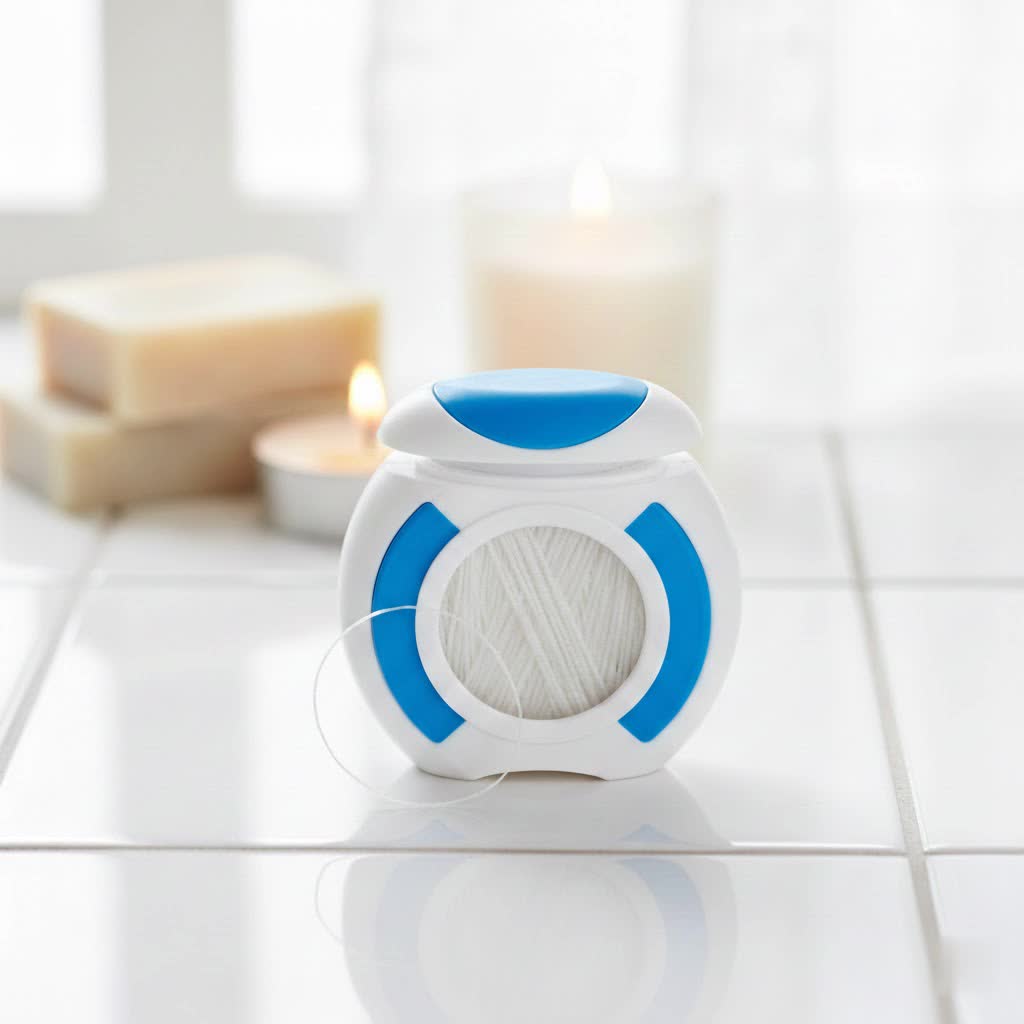
Are you aware that the tiny strand of conventional dental floss you use daily can take centuries to break down in our environment? For many, daily flossing is a non-negotiable part of oral hygiene, yet the environmental toll of traditional plastic-based floss is a growing concern. Made from synthetic nylon or Teflon and packaged in single-use plastic dispensers, millions of miles of plastic floss end up in landfills and oceans each year, contributing to microplastic pollution and harming ecosystems.
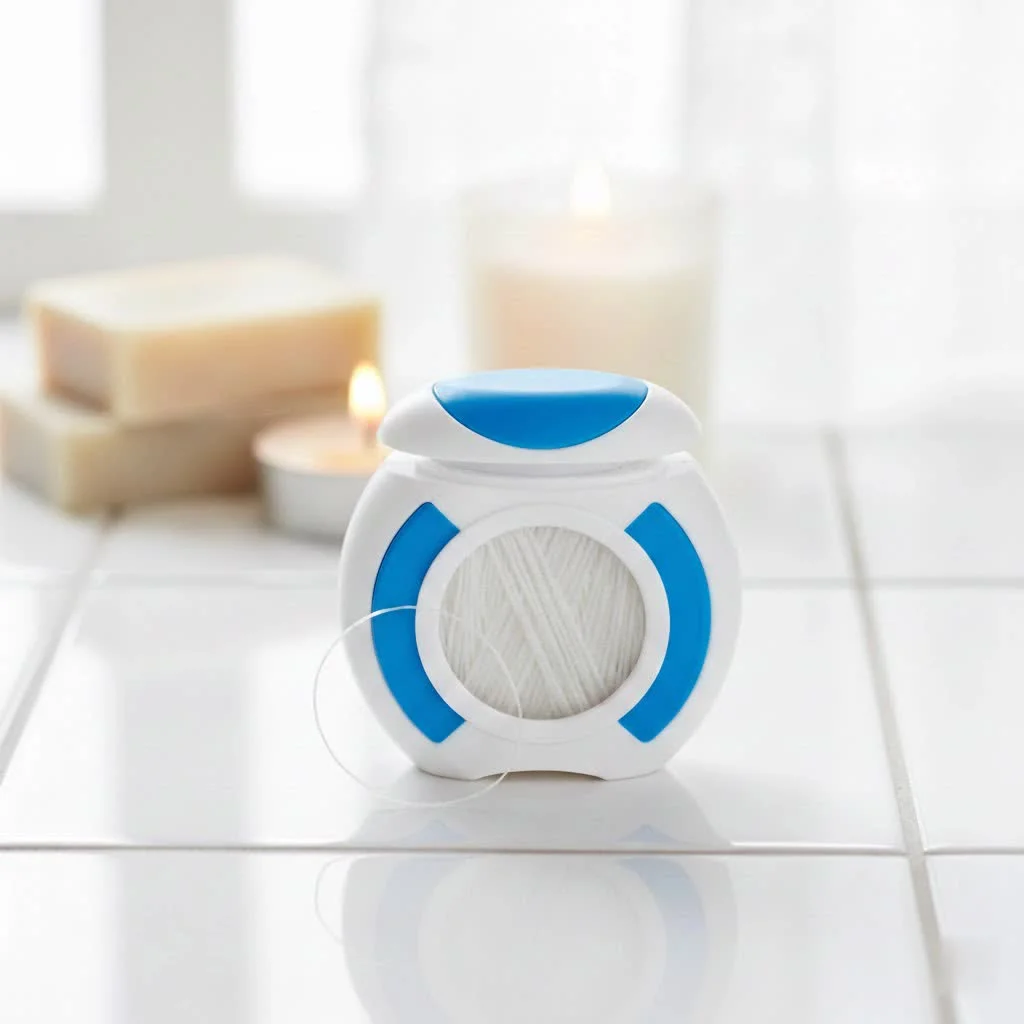
Fortunately, a revolution in oral care is underway with compostable dental floss. This guide will delve into everything you need to know about making the switch to a more sustainable, eco-conscious flossing routine. We’ll explore what makes compostable floss an excellent alternative, the different types available, how to use it effectively, and help you choose the best options for a truly greener smile. For shop curated dental floss on this site.
What is Compostable Dental Floss and Why Choose It?
Compostable dental floss is an innovative oral hygiene product crafted from natural, biodegradable materials designed to break down harmlessly in the environment after use. Unlike conventional floss made from petroleum-derived plastics like nylon or PTFE, compostable alternatives are typically sourced from plant-based fibers or natural silk. This fundamental difference means that instead of lingering in landfills for hundreds of years, these flosses can return to the earth, enriching soil through composting.
The decision to choose compostable dental floss extends beyond mere environmental responsibility; it also encompasses significant health benefits. Traditional floss can sometimes be coated with per- and polyfluoroalkyl substances (PFAS), often referred to as “forever chemicals.” These chemicals are known for their non-stick and water-resistant properties but have been linked to various health concerns and accumulate in both our bodies and the environment. By opting for compostable floss, which is typically PFAS-free and relies on natural waxes like candelilla or beeswax for glide, you are making a safer choice for your oral health and overall well-being. Switching to compostable dental floss is a simple yet powerful step towards a zero-waste lifestyle, drastically reducing your plastic footprint and supporting a healthier planet for future generations.
Exploring the Types of Compostable Dental Floss
The market for compostable dental floss offers a variety of materials, each with unique characteristics that cater to different preferences and needs. Understanding these types can help you select the most suitable option for your sustainable oral care routine.
Silk Compostable Dental Floss
Silk floss is a popular and effective natural alternative to plastic. Typically made from mulberry silk, it is a protein-based fiber that is both strong and naturally biodegradable. “Ahimsa silk” or “peace silk” is a cruelty-free variant where silk is harvested after the silkworms have emerged from their cocoons, making it a more ethical choice for some.
- Pros: Naturally smooth texture for easy gliding, strong and resistant to shredding, gentle on gums, fully biodegradable and compostable (often in home compost).
- Cons: Not vegan (unless Ahimsa silk), generally has a higher price point than other options.
- Suitable Users: Individuals with sensitive gums, those prioritizing natural materials and high performance, and those who are not strictly vegan or opt for Ahimsa silk.
Plant-Based (Corn Fiber/PLA) Compostable Dental Floss
|
Our Picks for the Best Dental Floss in 2026
As an Amazon Associate I earn from qualifying purchases.
|
||
| Num | Product | Action |
|---|---|---|
| 1 | DrTung's Smart Floss - Natural Dental Floss, PTFE & PFAS Free, Gentle on Gums, Expands & Stretches, BPA Free - Cardamom Flavor(Pack of 6) |

|
| 2 | Oral-B Glide Dental Floss, Shred Resistant, Gentle on Gums, Natural Wax, Slides Smoothly, Deep Clean Cool Mint Flavor, 40 M, 3 Count |
|
| 3 | Oral-B Glide Floss Pro-Health 131.2 Yds Mint Value 3-Pack |
|
| 4 | Oral-B Glide Cool Mint Deep Clean Floss, 6 Count, Glide Dental Floss |
|
| 5 | Oral-B Glide Mint Dental Floss Picks with Long Lasting Scope Flavor, 3 Pack of 75 Picks (225 Total) |
|
| 6 | DenTek Advanced Clean Floss Picks with No Break & No Shred Dental Floss, Plaque Remover, 150 Count |
|
| 7 | REACH Ultraclean Dental Floss, Mint, Plaque Remover for Teeth, Shred Resistant, Waxed, Easy on Gums & Teeth, Mint, Oral Care, PFAS Free, for Adults & Kids, 6 Pack, 30 yd |
|
| 8 | Oral-B Glide Dental Floss, Scope Mint Flavor, 40 m, Pack of 6 |
|
| 9 | REACH Waxed Dental Floss, Mint, Plaque Remover for Teeth, Shred Resistant, Floss Slides Smoothly, Easy to Use, Waxed, Deep Cleaning Teeth, Oral Care, PFAS Free, for Adults & Kids, 1 Pack, 55 yd |
|
| 10 | REACH Waxed Dental Floss, Mint, Plaque Remover for Teeth, Shred Resistant, Floss Slides Smoothly, Easy to Use, Waxed, Deep Cleaning Teeth, Oral Care, PFAS Free, for Adults & Kids, 6 Pack, 55 yd |
|
Plant-based floss often utilizes polylactic acid (PLA), a bioplastic derived from fermented plant starches like corn. This innovation allows for a vegan and often robust flossing experience that still breaks down over time.
- Pros: 100% vegan-friendly, often very durable and effective at plaque removal due to a slightly coarser texture, plastic-free and biodegradable.
- Cons: While biodegradable, some PLA types may require industrial composting facilities to break down effectively, which might not be readily available to all consumers.
- Suitable Users: Vegans seeking a plastic-free option, individuals looking for a strong and effective floss, and those with access to industrial composting or who are comfortable with landfill disposal as a better alternative to traditional plastic.
Bamboo Charcoal Compostable Dental Floss
Bamboo charcoal floss is crafted from bamboo fibers infused with activated charcoal. Bamboo is a rapidly renewable resource, making it an excellent sustainable material choice. The activated charcoal is often marketed for its ability to absorb impurities and potentially aid in natural whitening.
- Pros: Made from a highly sustainable resource, naturally antimicrobial and antibacterial, strong and effective at cleaning, often comes in refillable packaging.
- Cons: Texture can vary between brands, the “whitening” effect may be subtle and not clinically proven for floss alone.
- Suitable Users: Those seeking a robust, naturally antimicrobial option, individuals interested in sustainable materials, and those who appreciate the aesthetic or purported benefits of charcoal.
Compostable Dental Floss Picks
For many, the convenience of dental floss picks is undeniable. Eco-friendly versions address the plastic waste issue by offering handles made from bamboo or cornstarch-based bioplastics, paired with compostable floss threads.
- Pros: Extremely convenient for on-the-go use, easy for children or those with dexterity issues, reduces the amount of floss handled.
- Cons: Still generates more material waste per use than traditional spooled floss, careful selection is needed to ensure both the pick and floss are genuinely compostable.
- Suitable Users: Individuals prioritizing convenience, those with limited dexterity, or families looking for a child-friendly sustainable flossing solution, provided they choose fully compostable options.
Comparing Compostable Dental Floss Options
Choosing the right compostable dental floss involves weighing various factors, from material composition to user experience. The following comparison highlights key differences across the most common types.
| Feature | Silk Floss | Corn Fiber (PLA) Floss | Bamboo Charcoal Floss | Floss Picks (Compostable) |
|---|---|---|---|---|
| Material | Mulberry silk (Ahimsa/Peace silk available) | Polylactic Acid (PLA) from corn/plant starch | Bamboo fiber infused with activated charcoal | Bioplastic (corn/bamboo) handle, silk/PLA floss |
| Vegan-Friendly | No (unless Ahimsa silk), usually beeswax-coated | Yes, often candelilla wax-coated | Yes, often candelilla wax-coated | Yes (if plant-based handle and floss) |
| Decomposition (Home Compost) | Yes, typically within 6 months | Varies, often requires industrial composting | Yes, typically within 90 days if proper conditions | Varies by components, check individual brands |
| Texture/Glide | Very smooth, gentle | Slightly coarser, effective scraping | Strong, smooth to slightly coarse | Varies by floss material |
| Key Benefits | Premium feel, gentle, natural protein | Durable, plant-based, effective cleaning | Antimicrobial, sustainable, strong | Convenience, ease of use |
This table provides a snapshot to help you navigate the choices. While silk offers a luxurious, gentle experience, PLA and bamboo charcoal provide robust, plant-based alternatives. Always verify a product’s specific composting instructions as “biodegradable” doesn’t always guarantee home compostability.
How to Use Compostable Dental Floss Effectively
Using compostable dental floss is much like using traditional floss, but with a heightened awareness of proper technique and disposal to maximize both its oral health benefits and environmental impact. Consistent and correct flossing is key to preventing plaque buildup, gum disease, and cavities.
Preparing Your Floss
Start by pulling out approximately 18 to 20 inches (45-50 centimeters) of floss from its dispenser. This generous length ensures you have a clean section for each tooth, preventing the spread of bacteria. Wrap most of the floss around the middle fingers of both hands, leaving about 1 to 2 inches (2.5-5 centimeters) taut between your thumbs and index fingers. This short working section gives you optimal control.
Mastering the Flossing Technique
With the floss held firmly, gently guide it between your teeth using a soft, back-and-forth sawing motion. Avoid snapping the floss against your gums, which can cause irritation or damage. Once the floss reaches your gum line, curve it into a “C” shape against one tooth, sliding it gently into the space between the gum and the tooth. Move the floss up and down several times to scrape away plaque and food particles, then repeat this process on the adjacent tooth before moving to the next interdental space. Remember to unroll a fresh section of floss as you move from tooth to tooth to maintain hygiene.
Common Mistakes and Solutions
One common mistake is using too short a piece of floss, leading to re-using dirty sections. Always use a fresh length for each tooth. Another issue is applying too much pressure, which can hurt your gums; gentle but firm pressure is all that’s needed. If your floss shreds or breaks frequently, it might indicate very tight contact points between your teeth or a need for a different floss material (e.g., silk is generally very strong). If you struggle to reach back teeth, try using floss picks or a water flosser as an auxiliary tool.
Proper Disposal and Frequency
After flossing, dispose of your used compostable floss responsibly. If the product is certified home compostable and free of synthetic coatings, it can be added to your home compost bin. Otherwise, it should be placed in general waste. It’s crucial to follow the manufacturer’s disposal instructions to ensure it breaks down as intended. For optimal oral health, dental professionals recommend flossing at least once a day, preferably before brushing, to dislodge particles and allow your toothpaste to work more effectively on clean surfaces.
Where to Buy and What to Consider for Compostable Dental Floss
The growing demand for sustainable products has made compostable dental floss increasingly accessible, available through various retail channels. You can typically find these eco-friendly options at specialized online eco-stores, health food stores, zero-waste shops, and increasingly, in the natural oral care sections of larger supermarkets and pharmacies. Online platforms offer the widest selection and often feature subscription services for refills, which is an excellent way to maintain a consistent zero-waste routine.
When it comes to pricing, compostable dental floss may have a slightly higher upfront cost than conventional plastic floss. However, many brands offer refillable containers, meaning your initial purchase includes a durable glass or metal dispenser that you can reuse indefinitely, only needing to buy economical floss refills afterward. This system not only reduces waste but can also prove more cost-effective in the long run.
Your Buying Guide for Sustainable Floss
Choosing the right compostable dental floss requires careful consideration to ensure it aligns with your values and oral care needs. Here are the key factors to evaluate:
- Material Transparency: Look for clear information about the floss material (silk, corn fiber PLA, bamboo charcoal) and verify if it’s genuinely compostable. Labels like “certified home compostable” provide assurance. Be wary of ambiguous terms like just “biodegradable” without further clarification.
- Packaging: Prioritize products with plastic-free, minimal, or refillable packaging. Glass or metal containers with recyclable cardboard refills are ideal. This significantly reduces waste generated throughout the product lifecycle.
- Wax/Coating: Ensure any coating is natural, such as candelilla wax or beeswax. Crucially, confirm that the floss is PFAS-free to avoid potentially harmful “forever chemicals.”
- Brand Ethics and Certifications: Research brands that demonstrate a commitment to sustainability, ethical sourcing, and transparency. Look for certifications that validate their environmental claims, if available.
- Personal Preference: Consider factors like flavor (natural mint, charcoal, unflavored), texture (smooth glide or slightly more abrasive for plaque removal), and durability. Some materials might feel different than what you’re used to, so trying a few types can help you find your perfect match.
Top 5 Compostable Dental Floss Brands
Navigating the eco-friendly oral care market can be overwhelming, so we’ve highlighted five highly-regarded compostable dental floss brands that stand out for their commitment to sustainability and effective cleaning.
-
Dental Lace
- Key Features: Offers both mulberry silk and plant-based (PLA) vegan floss options. Comes in a beautiful, durable, refillable glass dispenser with a metal cutting lid. Committed to 100% plastic-free packaging.
- Considerations: Silk option is not vegan. The small cutting hole in the dispenser can sometimes be tricky for initial threading.
- User Feedback: Highly praised for its elegance, effectiveness, and strong commitment to zero waste. Many appreciate the refill system.
-
EcoRoots
- Key Features: Primarily offers bamboo charcoal fiber floss, known for its strength and antimicrobial properties. Packaged in a reusable glass jar with a metal lid.
- Considerations: The bamboo charcoal may not appeal to all users in terms of taste or aesthetic.
- User Feedback: Users love the sturdy fiber that resists shredding and the brand’s overall zero-waste mission. The refillable glass container is a significant plus.
-
Georganics
- Key Features: Provides corn-based PLA vegan floss and Ahimsa silk options, both coated with candelilla wax. Available in various natural flavors (spearmint, orange, charcoal). Comes with a refillable glass container and is packed in a fully compostable kraft box.
- Considerations: Compostability of PLA may require industrial facilities, depending on local infrastructure.
- User Feedback: Appreciated for diverse flavor options and being suitable for sensitive gums. Many praise its effectiveness and strong eco-credentials.
-
Bite
- Key Features: Known for its unflavored, plant-based PLA (polylactic acid) bioplastic floss with candelilla wax. Designed for durability and easy glide between tight teeth. Part of a broader range of popular zero-waste oral care products.
- Considerations: Unflavored might not appeal to everyone. The texture, while effective, might be different than what some are used to.
- User Feedback: Frequented by heavy floss users who report excellent plaque removal and minimal breakage, even in narrow gaps. Praised for its robust performance.
-
TreeBird
- Key Features: Offers 100% compostable silk floss, waxed with natural candelilla wax for a smooth glide. Packaged in a reusable glass jar with paper packaging for refills, ensuring minimal carbon footprint.
- Considerations: Silk is not a vegan option.
- User Feedback: Users commend its high quality, strength, and the comfortable flossing experience it provides. The truly compostable nature and refill system are highly valued.
Conclusion
Embracing compostable dental floss is a powerful step towards revolutionizing your daily routine, transforming a small habit into a significant act of environmental stewardship. By choosing floss made from natural materials like silk, corn fiber, or bamboo charcoal, you actively reduce plastic waste and microplastic pollution that burdens our planet for centuries. These eco-friendly alternatives not only protect our ecosystems but also offer a healthier choice for your mouth by being free from harmful chemicals like PFAS.
The market now offers diverse options, each with unique benefits and characteristics, from the smooth glide of silk to the robust cleaning of plant-based floss. Making an informed choice based on material transparency, plastic-free packaging, and natural coatings ensures you’re selecting a product that truly aligns with a sustainable lifestyle. Isn’t it time to clean your teeth without compromising the health of our planet? How will you contribute to a greener oral care routine today?
Frequently Asked Questions
Is “biodegradable” the same as “compostable”?
No, “biodegradable” means a material can break down naturally, but it doesn’t specify the time frame or the resulting byproducts. “Compostable” means a material breaks down into nutrient-rich organic matter within a specific timeframe and under certain conditions, typically without leaving toxic residues, making it a more stringent and environmentally friendly standard.
How long does compostable floss take to break down?
The decomposition time varies by material and composting conditions. Silk floss can break down in a home compost in about 6 months, while corn fiber (PLA) or bamboo charcoal floss may decompose in less than 90 days in proper home compost conditions, though some PLA may require industrial composting facilities.
Can I compost dental floss at home?
Many types of compostable dental floss, especially those made from silk or certain plant-based fibers coated with natural waxes, are suitable for home composting. However, always check the specific product’s labeling and manufacturer’s instructions to confirm its home compostability and proper disposal methods.
Is compostable floss as effective as traditional floss?
Yes, compostable dental floss is designed to be just as effective as traditional floss in removing plaque and food particles from between teeth and along the gum line. Its efficacy depends more on proper flossing technique than on the material itself. Many users find natural fibers strong and gentle.
Does compostable floss contain harmful chemicals?
Generally, high-quality compostable dental floss is made from natural ingredients and is free from harmful chemicals like PFAS (per- and polyfluoroalkyl substances), PTFE, and synthetic waxes, which are often found in conventional floss. Always look for transparent ingredient lists and certifications to ensure a clean product.
Get our weekly buyer guide
Practical specs, not advice. Unsubscribe anytime.
