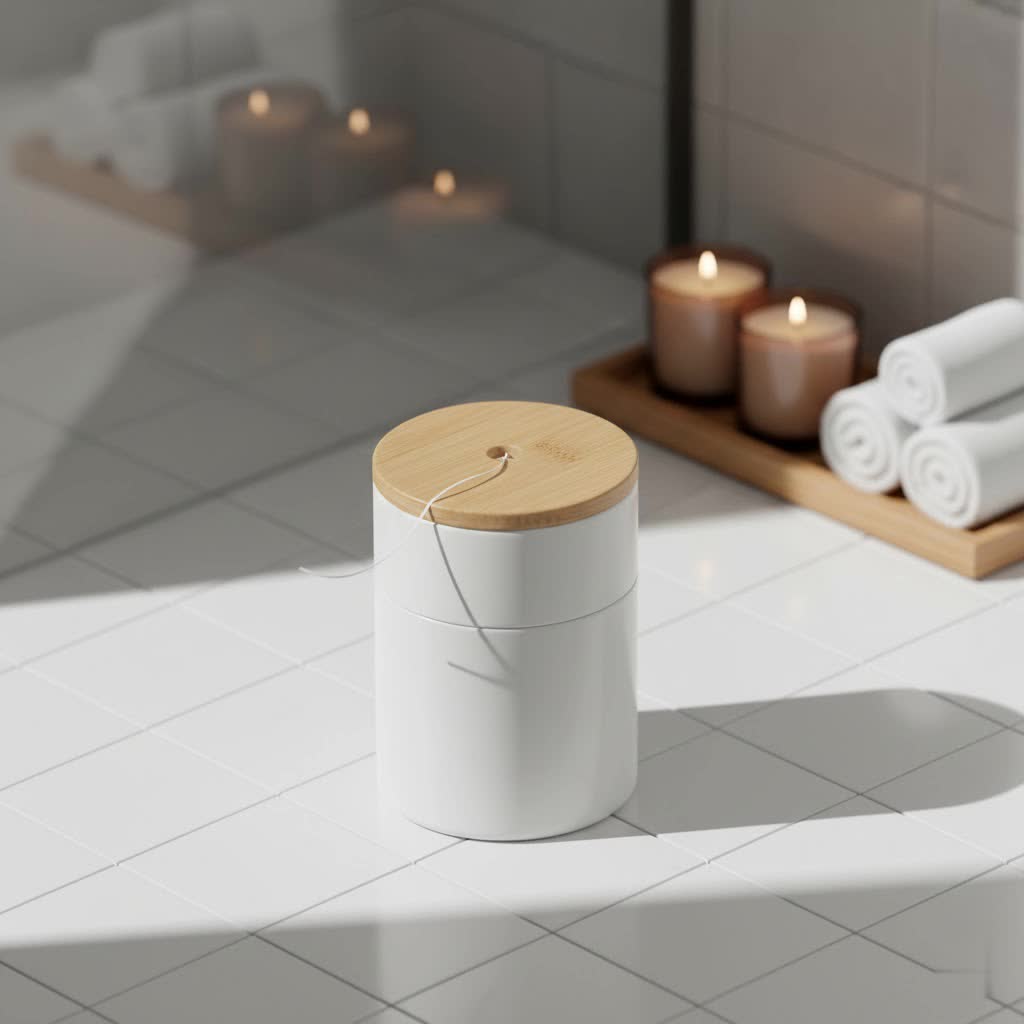
In our daily routines, some small habits carry a surprisingly large environmental footprint. Take dental floss, for instance. For years, conventional dental floss, made primarily from petroleum-based plastics like nylon and often packaged in single-use plastic containers, has contributed significantly to landfill waste and ocean pollution. Imagine millions of miles of non-biodegradable floss accumulating each year, alongside the plastic dispensers that house them. This is where plastic free dental floss steps in, offering a conscious solution that allows you to maintain impeccable oral hygiene while actively reducing your environmental impact. It’s a simple switch that aligns your self-care with planetary care, promising a healthier smile for you and a healthier future for Earth.
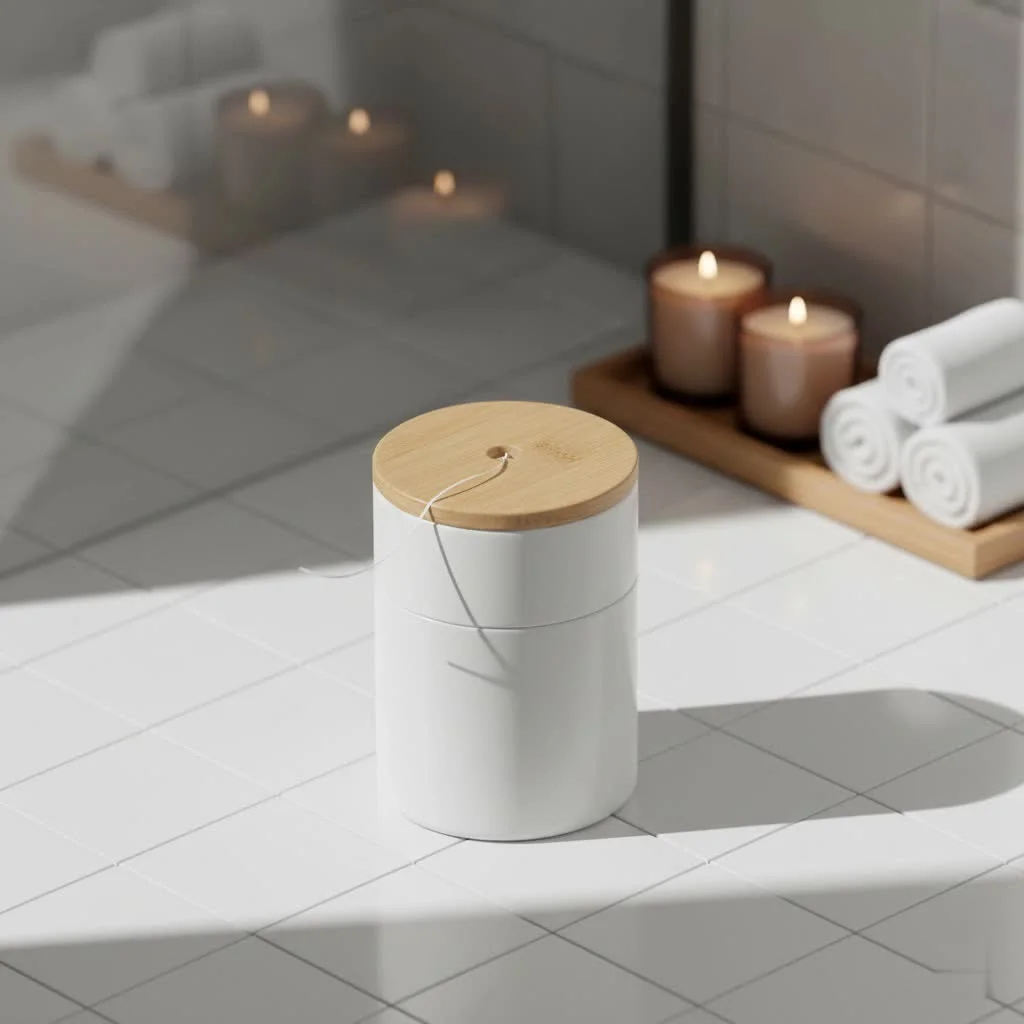
What is Plastic Free Dental Floss? Why Do You Need It?
Plastic free dental floss is an innovative oral hygiene product designed to effectively clean between your teeth without contributing to plastic pollution. Unlike traditional floss, which is typically made from synthetic polymers and encased in plastic dispensers that can take centuries to break down, plastic-free alternatives utilize biodegradable and compostable materials. These eco-conscious choices are developed to minimize environmental harm from production to disposal.
The need for plastic free dental floss stems directly from the pervasive environmental challenges posed by conventional products. Traditional dental floss, primarily made of nylon, a petroleum-based plastic, is not biodegradable. This means every strand, along with its plastic casing, persists in landfills and oceans for hundreds of years, breaking down into harmful microplastics that enter ecosystems and food chains. Furthermore, some conventional floss has been found to contain PFAS (per- and polyfluoroalkyl substances), often called “forever chemicals,” linked to potential health concerns and environmental contamination. By choosing plastic-free options, you actively reduce your contribution to plastic waste, lower your carbon footprint, and ensure that the products you use are free from undesirable chemicals, promoting not just a clean smile but a truly clean conscience.
Popular Types of Plastic Free Dental Floss on the Market
The movement towards sustainable oral care has introduced a variety of plastic free dental floss options, each with unique characteristics and benefits. Understanding these types can help you choose the best fit for your dental needs and environmental values.
Silk Dental Floss (Mulberry Silk, Peace Silk)
Silk dental floss is a popular natural alternative, cherished for its strength and smooth glide. It is made from natural silk fibers, often mulberry silk, and is inherently biodegradable.
- Pros: Naturally strong and durable, glides smoothly between teeth, excellent at removing plaque, fully biodegradable.
- Cons: Not vegan if derived from conventional silk (where silkworms are harmed). Peace silk (Ahimsa silk) is available as an ethical alternative where silkworms complete their lifecycle. Can be more expensive than synthetic options.
- Suitable for: Most users, especially those seeking a premium feel and high effectiveness, and those committed to biodegradable products. Vegans should seek “peace silk” or plant-based alternatives.
Bamboo Fiber Dental Floss
|
Our Picks for the Best Dental Floss in 2026
As an Amazon Associate I earn from qualifying purchases.
|
||
| Num | Product | Action |
|---|---|---|
| 1 | Oral-B Glide Dental Floss, Shred Resistant, Gentle on Gums, Natural Wax, Slides Smoothly, Deep Clean Cool Mint Flavor, 40 M, 3 Count |

|
| 2 | REACH Waxed Dental Floss, Mint, Plaque Remover for Teeth, Shred Resistant, Floss Slides Smoothly, Easy to Use, Waxed, Deep Cleaning Teeth, Oral Care, PFAS Free, for Adults & Kids, 6 Pack, 55 yd |
|
| 3 | Oral-B Glide Mint Dental Floss Picks with Long Lasting Scope Flavor, 3 Pack of 75 Picks (225 Total) |
|
| 4 | REACH Ultraclean Dental Floss, Mint, Plaque Remover for Teeth, Shred Resistant, Waxed, Easy on Gums & Teeth, Mint, Oral Care, PFAS Free, for Adults & Kids, 6 Pack, 30 yd |
|
| 5 | Oral-B Glide Floss Pro-Health 131.2 Yds Mint Value 3-Pack |
|
| 6 | DrTung's Smart Floss - Natural Dental Floss, PTFE & PFAS Free, Gentle on Gums, Expands & Stretches, BPA Free - Cardamom Flavor(Pack of 6) |
|
| 7 | REACH Waxed Dental Floss, Mint, Plaque Remover for Teeth, Shred Resistant, Floss Slides Smoothly, Easy to Use, Waxed, Deep Cleaning Teeth, Oral Care, PFAS Free, for Adults & Kids, 1 Pack, 55 yd |
|
| 8 | Oral-B Glide Dental Floss, Scope Mint Flavor, 40 m, Pack of 6 |
|
| 9 | DenTek Advanced Clean Floss Picks with No Break & No Shred Dental Floss, Plaque Remover, 150 Count |
|
| 10 | Oral-B Glide Cool Mint Deep Clean Floss, 6 Count, Glide Dental Floss |
|
Bamboo fiber floss is a plant-based option gaining traction for its rapid biodegradability and renewable source. It’s often infused with natural ingredients.
- Pros: Made from a highly renewable resource, strong and flexible, typically biodegradable, often infused with activated charcoal or tea tree oil for added cleaning benefits, generally vegan.
- Cons: Some bamboo floss might be blended with other materials, so checking certifications is important to ensure it’s truly plastic-free. Can sometimes be prone to shredding if not of high quality.
- Suitable for: Vegans, individuals looking for a fully plant-based and rapidly renewable option, and those interested in the benefits of charcoal or tea tree oil.
Corn Starch (PLA) Dental Floss
Polylactic Acid (PLA) floss is a bioplastic derived from plant starches, such as corn. It represents a significant step away from petroleum-based plastics in dental care.
- Pros: Fully plant-based and vegan, designed to be compostable, good strength and glide similar to conventional floss.
- Cons: While labeled “biodegradable” and “compostable,” PLA often requires industrial composting facilities to break down effectively, meaning it may not degrade in a typical home compost bin or landfill conditions. Concerns about “greenwashing” can arise if disposal instructions aren’t clear.
- Suitable for: Vegans and those seeking a plant-based floss that performs similarly to traditional options, provided they have access to appropriate composting facilities.
Cotton Dental Floss
Organic cotton floss provides another natural, soft, and biodegradable option for daily oral care.
- Pros: Very soft on gums, natural and fully biodegradable, generally unbleached and free from harsh chemicals.
- Cons: May be more prone to shredding or breaking compared to silk or waxed options, can be harder to glide between very tight teeth.
- Suitable for: Individuals with very sensitive gums, those preferring a minimally processed and entirely natural product.
Waxed vs. Unwaxed Plastic Free Dental Floss
The presence of a wax coating significantly impacts floss performance.
- Waxed Floss: Coated with natural waxes like candelilla (vegan plant-based) or beeswax (natural, but not vegan). The wax allows the floss to glide more easily between tight teeth, reduces shredding, and helps pick up plaque and food particles more effectively. Many waxed options also include natural flavorings like peppermint oil.
- Unwaxed Floss: Provides more friction, which some argue helps scrape plaque more effectively. However, it can be more challenging to maneuver, especially for individuals with crowded teeth or tight contacts, and may be more prone to breaking.
Choosing between waxed and unwaxed often comes down to personal preference and the specific spacing of your teeth. For most users, a waxed plastic free dental floss offers the best balance of ease of use and effectiveness.
Comparing Plastic Free Dental Floss Types
To help you make an informed decision, here’s a detailed comparison of the popular plastic free dental floss types:
| Criteria | Silk Dental Floss | Bamboo Fiber Dental Floss | Corn Starch (PLA) Dental Floss | Cotton Dental Floss |
|---|---|---|---|---|
| Durability | High – strong and resistant to breaking/shredding. | Medium to High – generally strong, can vary by brand. | High – similar strength to nylon. | Medium – can be prone to shredding or breaking. |
| Glide | Excellent – very smooth, especially when waxed. | Good – smooth glide when waxed. | Excellent – smooth, easy to glide. | Fair – more friction, can be difficult for tight teeth. |
| Biodegradability | Fully biodegradable. | Fully biodegradable. | Biodegradable, but often requires industrial composting. | Fully biodegradable. |
| Vegan Status | No (conventional silk). Yes (peace silk). | Yes. | Yes. | Yes. |
| Common Wax | Beeswax (non-vegan) or Candelilla wax (vegan). | Candelilla wax. | Candelilla wax. | Often unwaxed or candelilla wax. |
| Flavor Options | Mint, unflavored. | Mint, charcoal, tea tree, unflavored. | Mint, unflavored. | Unflavored, sometimes mint. |
| Packaging | Refillable glass/metal containers, compostable refills. | Refillable glass/metal/bamboo, compostable refills. | Refillable glass/bamboo, compostable refills. | Refillable glass/cardboard, compostable refills. |
| Price Range | Mid to High. | Mid. | Mid. | Low to Mid. |
This comparison highlights that while all these options are superior to traditional plastic floss in terms of environmental impact, they each offer different benefits regarding feel, performance, and ethical considerations.
How to Use Plastic Free Dental Floss Correctly
Using plastic free dental floss effectively is crucial for maintaining optimal oral health and maximizing its benefits. The technique is largely similar to conventional flossing, with a few important considerations.
Preparation Before Flossing
Before you begin, ensure you have enough floss to clean all your teeth thoroughly without reusing dirty sections.
- Cut the Right Length: Tear off approximately 18 to 20 inches (45 to 50 centimeters) of floss. This length provides enough clean sections for each tooth.
- Wrap It Up: Wrap most of the floss around the middle finger of one hand, and a smaller amount around the middle finger of the other hand. This second finger will collect the used floss as you go, ensuring you always use a fresh section. Leave about 1 to 2 inches (2.5 to 5 cm) of floss taut between your thumbs and index fingers.
Proper Flossing Technique
Gentle but firm movements are key to effective flossing without harming your gums.
- Guidance: Using your thumbs and index fingers, gently guide the floss between two teeth. Avoid snapping it down, which can injure your gums.
- C-Shape: Once the floss reaches the gum line, curve it into a “C” shape against one tooth. Slide it gently into the space between the tooth and the gum until you feel slight resistance.
- Clean Each Surface: Move the floss up and down, scraping the side of the tooth. Repeat this motion several times. Then, curve the floss in the opposite direction against the adjacent tooth and repeat the scraping motion.
- Fresh Section: As you move from tooth to tooth, unroll a fresh section of floss from one middle finger and wind the used floss onto the other middle finger. This prevents transferring plaque and bacteria.
- Cover All Teeth: Don’t forget the back sides of your last molars.
Common Mistakes and How to Fix Them
Even experienced flossers can fall into habits that reduce effectiveness.
- Snapping Floss: Forcefully snapping floss between teeth can cut and irritate gums. Always use a gentle, controlled sawing motion to guide it through.
- Not Curving Floss: Failing to wrap the floss around the tooth in a “C” shape means you’re missing a significant portion of plaque and food debris below the gum line. Ensure you hug each tooth.
- Reusing Dirty Floss: Reusing the same section of floss only redistributes bacteria and plaque. Always advance to a fresh section for each tooth, which is why a generous length is recommended.
- Ignoring Back Teeth: The back molars are often overlooked but are just as susceptible to plaque buildup and cavities. Make sure to reach all surfaces.
Flossing Frequency
Dental professionals generally recommend flossing at least once a day, preferably before brushing, to remove food particles and plaque. Consistent daily flossing significantly reduces the risk of cavities, gum disease, and bad breath.
Where to Buy Plastic Free Dental Floss? What About the Cost?
As environmental awareness grows, finding plastic free dental floss has become increasingly accessible. You have several reliable channels to explore, and while the initial cost might seem a little higher than conventional floss, it’s an investment in both your health and the planet.
Reliable Purchase Channels
- Online Eco-Stores: Many dedicated online retailers specialize in zero-waste and sustainable products. These platforms often carry a wide range of plastic free dental floss brands, offering detailed product descriptions and customer reviews.
- Health Food Stores & Specialty Shops: Local health food stores, co-ops, and natural product retailers are excellent places to find eco-friendly dental care items. They often prioritize sustainable and natural brands.
- Direct from Brands: Many plastic free dental floss brands sell directly through their own websites. This can sometimes offer better pricing, subscription options for refills, and ensures you’re buying from the source.
- Large Online Marketplaces: Mainstream online retailers like Amazon also stock plastic-free options, though it’s crucial to carefully read product descriptions and reviews to ensure they meet your plastic-free criteria (checking for hidden plastics in packaging or floss material).
Price Comparison and Value
The upfront cost of plastic free dental floss can sometimes be slightly higher than a conventional plastic spool you might find at a drugstore. However, several factors contribute to this difference and highlight the true value:
- Material Quality: Sustainable materials like silk, bamboo, or corn-PLA often have higher production costs than petroleum-based nylon.
- Ethical Sourcing: Brands committed to plastic-free products often prioritize ethical sourcing and manufacturing practices, which can add to the cost.
- Refillable Systems: Many plastic-free options come with a durable, refillable dispenser (glass or metal). While the initial purchase includes the dispenser, subsequent purchases are just for refills, which are typically more economical and drastically reduce waste over time.
- Long-Term Savings: Considering the environmental cost of traditional floss (landfill burden, potential microplastic pollution), the slightly higher monetary cost of plastic-free options offers significant long-term environmental savings.
Tips When Choosing Where to Buy
- Check for Certifications: Look for brands that are certified B Corp, USDA Organic, or Fair Trade, as these indicate a commitment to sustainability and ethical practices.
- Read the Fine Print: Scrutinize product descriptions for all ingredients and packaging materials. Be wary of terms like “biodegradable plastic” if they don’t specify home vs. industrial composting, or if “plastic free” only refers to the floss and not the spool or outer packaging.
- Consider Refills: Prioritize brands that offer convenient refill options for their floss, minimizing the need to repeatedly purchase new dispensers.
Buying Guide: Key Factors for Choosing Your Plastic Free Dental Floss
Selecting the ideal plastic free dental floss involves more than just picking the first eco-friendly option you see. A thoughtful approach ensures you find a product that meets your oral health needs, environmental values, and personal preferences.
Material
The core material of your floss is the most critical factor for its eco-friendliness and performance.
- Silk: Offers excellent strength and a smooth glide. It’s fully biodegradable but not vegan unless specified as “peace silk.” Choose silk for a traditional feel and reliable performance.
- Bamboo Fiber: A strong, plant-based, and biodegradable option. Often infused with charcoal for added benefits. Ideal for vegans and those seeking a natural, renewable resource. Ensure the product explicitly states 100% bamboo fiber to avoid nylon blends.
- Corn Starch (PLA): A vegan bioplastic with a texture similar to conventional floss. It’s biodegradable but typically requires commercial composting facilities to break down properly. Suitable for vegans who prioritize familiar floss feel.
- Cotton: Soft and natural, ideal for sensitive gums. It’s fully biodegradable but may shred more easily and offer less glide.
Wax Coating
The type of wax used affects both performance and vegan status.
- Candelilla Wax: This is a plant-based, vegan wax that provides a smooth glide and prevents shredding. It’s the go-to choice for vegan plastic free floss.
- Beeswax: A natural wax derived from bees. It offers excellent glide and durability but is not suitable for vegans.
- Unwaxed: While reducing processing, unwaxed floss can be harder to maneuver between tight teeth and may break more easily. Consider this only if you have wider gaps or prefer maximum friction.
Packaging
True plastic-free commitment extends beyond the floss itself to its packaging.
- Refillable Containers: Opt for floss that comes in reusable glass or metal dispensers. These are durable and designed to be refilled, drastically reducing waste.
- Compostable Refills: The refills should come in compostable materials like cardboard boxes or biodegradable bags. Verify that there are no hidden plastic components, such as tiny plastic spools or inner plastic liners.
- Avoid Hidden Plastics: Some brands might market “plastic free” but use plastic labels, internal spools, or non-compostable inner packaging. Always look for complete transparency.
Brand Reputation and Transparency
A brand’s commitment to sustainability should be evident in its practices and product information.
- Certifications: Look for certifications like Certified B Corporation, USDA Organic, or Fair Trade, which signal a dedication to environmental and social responsibility.
- Ingredient Lists: Clear and comprehensive ingredient lists help you understand exactly what you’re putting in your mouth and its environmental impact.
- Sourcing Information: Brands that openly share their sourcing and manufacturing processes build greater trust.
Flavor and Feel
Personal preference plays a role in consistent daily use.
- Flavor Options: Many plastic-free flosses come in natural mint flavors (peppermint, spearmint) from essential oils, or are entirely unflavored for those with sensitivities.
- Texture: Some prefer a smoother, thinner floss, while others like a slightly coarser texture for perceived better cleaning.
Budget
While sustainability often comes with a slightly higher price tag, there are options for various budgets.
- Initial vs. Refill Cost: Factor in the long-term cost of refills when comparing prices, as reusable dispensers make subsequent purchases more affordable.
- Value Proposition: Consider the overall value of a product that supports your health and environmental values, rather than just the lowest price point.
By weighing these factors, you can confidently choose a plastic free dental floss that not only keeps your teeth and gums healthy but also contributes positively to a sustainable lifestyle.
Top 5 Plastic Free Dental Floss Brands (Detailed Review)
Choosing from the growing number of plastic free dental floss options can be overwhelming. Here’s a detailed look at five highly-regarded brands that consistently deliver on both performance and sustainability.
1. EcoRoots Bamboo Floss
EcoRoots offers a popular zero-waste floss with a strong emphasis on natural ingredients and refillable packaging.
- Pros: Made from bamboo fiber, often infused with activated charcoal and organic tea tree oil for natural detoxification and disinfection. Comes in a stylish, reusable glass container with a metal dispensing lid. Vegan and 100% zero waste, with all packaging materials being recyclable or compostable. The floss is smooth and strong.
- Cons: While generally reliable, some users might find bamboo fiber floss can occasionally shred in very tight interdental spaces if not used carefully.
- Price: Mid-range. Refills are available, reducing long-term cost and waste.
2. Dental Lace Silk/Plant-Based Floss
Dental Lace is a pioneer in refillable, plastic-free dental floss, known for its strong commitment to zero waste.
- Pros: Offers both 100% Mulberry Silk (coated with candelilla wax) and Plant-Based (corn-PLA) options, catering to different preferences and dietary needs. Comes in an elegant, reusable glass container with a stainless steel lid. Refills are packaged in compostable paperboard. Certified B Corporation. Effective at removing plaque and gentle on gums.
- Cons: The tiny hole in the dispenser can sometimes make threading new floss a bit tricky. Silk option is not vegan. PLA floss typically needs commercial composting.
- Price: Mid to high-range for the initial purchase with dispenser, refills are more economical.
3. Etee Silk Dental Floss
Etee is dedicated to 100% biodegradable and sustainable materials, making their dental floss a top choice for eco-conscious consumers.
- Pros: Crafted from 100% pure Mulberry Silk, coated with candelilla wax, and flavored with natural peppermint oil. This combination offers a smooth glide and refreshing taste. Available in refillable glass or stainless steel containers, and all shipping packaging is plastic-free and compostable. Strong enough to prevent snapping and effective at plaque removal.
- Cons: As it’s silk, it is not vegan-friendly.
- Price: Mid to high-range. Offers a refill subscription option for added convenience and savings.
4. Georganics Charcoal Dental Floss
Georganics focuses on natural oral care products with a strong emphasis on reducing environmental impact.
- Pros: Made from a blend of Charcoal fibers and compostable Corn-PLA, coated with vegetable wax and organic peppermint oil. The peppermint oil is known for its effectiveness against anaerobic bacteria that cause gum disease. It’s vegan and cruelty-free certified, and all packaging is plastic-free. Available in both dispenser and refill options.
- Cons: Like other PLA-based floss, its compostability often relies on industrial facilities rather than home composting.
- Price: Mid-range.
5. Me Mother Earth Bamboo Charcoal Dental Floss
Me Mother Earth is vocal about its anti-plastic stance, ensuring their products and packaging are as eco-friendly as possible.
- Pros: Made from bamboo charcoal fiber, making it 100% biodegradable and vegan. It breaks down naturally within 60-90 days. Comes in recyclable or biodegradable containers, and even their shipping materials are plastic-free. Users report it’s easy to use and gentle on gums, effectively removing plaque with a subtle minty flavor.
- Cons: Some users with very tight teeth might find it slightly less strong than silk options, potentially leading to occasional shredding.
- Price: Mid-range.
Each of these brands provides a high-quality, effective plastic free dental floss, allowing you to choose based on material preference, vegan status, and specific packaging and flavor desires.
Conclusion
Making the switch to plastic free dental floss is a powerful, yet simple, step toward a more sustainable lifestyle without compromising your oral health. As you’ve seen, traditional dental floss poses significant environmental challenges, from persistent plastic waste in landfills and oceans to the presence of harmful chemicals. By opting for biodegradable alternatives made from natural silk, bamboo, or corn-PLA, housed in reusable containers, you contribute directly to reducing plastic pollution and supporting a healthier planet.
Embracing plastic free dental floss isn’t just about cleaning your teeth; it’s about making a conscious choice that echoes through our environment. These eco-friendly options are just as effective, often more natural, and come with the added benefit of a clear conscience. Why not join the growing number of individuals who are making a positive impact, one floss at a time? Your smile, and our Mother Earth, will surely thank you. What small change will you make next to green your daily routine?
Frequently Asked Questions
Is plastic free dental floss as effective as regular floss?
Yes, plastic free dental floss is designed to be just as effective as traditional floss in removing plaque and food particles from between teeth and below the gum line. Its primary difference lies in its eco-conscious composition, utilizing materials like silk, bamboo, or corn-PLA, which perform comparably to nylon.
How do I dispose of plastic free dental floss?
Disposal depends on the material. Natural silk and cotton floss are typically home compostable. Bamboo fiber floss is also generally compostable. Corn starch (PLA) floss is biodegradable but often requires industrial composting facilities to break down properly. Always check the product’s packaging for specific disposal instructions.
Can I compost plant-based floss at home?
While many plant-based flosses are marketed as biodegradable, the term “compostable” for materials like PLA often refers to industrial composting conditions (high heat and specific microbial environments). Some natural options like silk, bamboo, and cotton are suitable for home composting, but it’s essential to confirm with the brand’s guidelines.
Does plastic free dental floss contain harmful chemicals like PFAS?
One of the significant advantages of most plastic free dental floss brands is their commitment to natural ingredients, often making them PFAS-free. Traditional nylon floss, especially those with certain “glide” coatings, has been found to contain these “forever chemicals,” which are a concern for both health and the environment. Always look for explicit “PFAS-free” claims or check ingredient lists.
Is silk floss truly ethical?
Conventional silk production often involves killing silkworms. However, many plastic free dental floss brands that use silk opt for “peace silk” (also known as Ahimsa silk), where the silkworms are allowed to complete their metamorphosis and emerge from their cocoons naturally before the silk is harvested. This makes peace silk an ethical, cruelty-free option for those who choose silk floss.
What is the difference between waxed and unwaxed plastic free floss?
Waxed plastic free floss is coated with a natural wax (like vegan candelilla wax or beeswax) to help it glide more easily between tight teeth, reduce shredding, and enhance plaque removal. Unwaxed floss has more friction, which some prefer for scraping, but it can be harder to use and more prone to breaking, especially for those with close tooth spacing.
Is plastic free floss more expensive?
The initial cost of plastic free dental floss, particularly with a reusable dispenser, can be slightly higher than conventional plastic floss. However, many brands offer economical refill options, which reduce the long-term cost and significantly decrease waste. Considering the environmental and potential health benefits, many find the investment worthwhile.
Get our weekly buyer guide
Practical specs, not advice. Unsubscribe anytime.
