Maintaining optimal oral hygiene is crucial for your overall health, and dental floss plays an indispensable role in reaching areas your toothbrush can’t. However, the environmental impact of traditional single-use plastic floss has sparked a growing demand for more sustainable solutions. If you’re looking to minimize waste without compromising your dental health, exploring the world of reusable dental floss and its eco-friendly counterparts is an excellent starting point.
This comprehensive guide will demystify the various options available, from innovative reusable tools to biodegradable floss, helping you make an informed choice for a cleaner smile and a healthier planet.
Understanding the World of Dental Floss: Why You Need It
Dental floss is a thin strand of material designed to remove food particles and plaque from between your teeth and under the gumline. These are critical areas where toothbrushes often fail to reach, making flossing an essential complement to brushing. Neglecting daily flossing can lead to a host of oral health issues, including:
- Plaque Buildup: A sticky film of bacteria that forms on teeth, leading to cavities and gum disease.
- Tartar Formation: Hardened plaque that can only be removed by a dental professional.
- Gingivitis: Inflammation of the gums, characterized by redness, swelling, and bleeding.
- Bad Breath (Halitosis): Caused by bacteria trapped between teeth and on the tongue.
- Periodontal Disease: A more severe gum infection that can lead to tooth loss and has been linked to systemic health issues like cardiovascular disease and diabetes.
By diligently flossing each day, you can significantly reduce your risk of these problems, keeping your gums firm and your breath fresh.
Exploring Dental Floss Varieties and Reusable Alternatives
The landscape of interdental cleaning has evolved far beyond basic string floss. Today, you’ll find a range of options, including various types of traditional floss and innovative reusable tools designed to reduce waste.
Traditional Dental Floss Types
While not inherently “reusable” in the sense of being washed and used again, understanding traditional floss types helps contextualize the innovations in sustainable flossing.
- Monofilament Dental Floss: Made from a single strand of material, such as PTFE (Polytetrafluoroethylene), which is known for its smooth texture.
- Pros: Glides easily between tight teeth, less likely to shred.
- Cons: Can be more expensive; some concerns exist regarding PFAS coatings in certain PTFE flosses.
- Suitable for: Individuals with tightly spaced teeth or those who experience shredding with other floss types.
- Multifilament Dental Floss: Composed of many nylon strands twisted together.
- Pros: More affordable, can effectively clean broader surfaces due to its texture.
- Cons: Prone to shredding or breaking, especially in tight spaces.
- Suitable for: People with more space between their teeth; generally a good all-around option if shredding isn’t an issue.
- Waxed Dental Floss: Traditional nylon floss coated with a light layer of wax.
- Pros: Easier to slide between teeth, less likely to break or fray than unwaxed floss.
- Cons: The wax coating can make it thicker, potentially harder to use in very tight gaps; some may dislike the waxy texture.
- Suitable for: Most individuals, especially those with average tooth spacing or those new to flossing.
- Unwaxed Dental Floss: Thin nylon floss without a wax coating.
- Pros: Can fit into very tight spaces, offers a non-slip grip.
- Cons: More prone to shredding and breaking, which can be frustrating.
- Suitable for: Individuals with extremely close-set teeth who find waxed floss too thick.
- Fluoride Dental Floss: Some flosses are infused with fluoride, offering an extra layer of cavity protection.
- Pros: Delivers fluoride to interdental areas, strengthening enamel.
- Cons: Availability may be limited compared to standard floss.
- Suitable for: Individuals prone to cavities or looking for enhanced decay prevention.
Dental Floss Picks: Convenience and Reusability
|
Our Picks for the Best Dental Floss in 2026
As an Amazon Associate I earn from qualifying purchases.
|
||
| Num | Product | Action |
|---|---|---|
| 1 | Oral-B Glide Dental Floss, Scope Mint Flavor, 40 m, Pack of 6 |

|
| 2 | Oral-B Glide Mint Dental Floss Picks with Long Lasting Scope Flavor, 3 Pack of 75 Picks (225 Total) |
|
| 3 | DrTung's Smart Floss - Natural Dental Floss, PTFE & PFAS Free, Gentle on Gums, Expands & Stretches, BPA Free - Cardamom Flavor(Pack of 6) |
|
| 4 | REACH Ultraclean Dental Floss, Mint, Plaque Remover for Teeth, Shred Resistant, Waxed, Easy on Gums & Teeth, Mint, Oral Care, PFAS Free, for Adults & Kids, 6 Pack, 30 yd |
|
| 5 | Oral-B Glide Dental Floss, Shred Resistant, Gentle on Gums, Natural Wax, Slides Smoothly, Deep Clean Cool Mint Flavor, 40 M, 3 Count |
|
| 6 | Oral-B Glide Floss Pro-Health 131.2 Yds Mint Value 3-Pack |
|
| 7 | REACH Waxed Dental Floss, Mint, Plaque Remover for Teeth, Shred Resistant, Floss Slides Smoothly, Easy to Use, Waxed, Deep Cleaning Teeth, Oral Care, PFAS Free, for Adults & Kids, 6 Pack, 55 yd |
|
| 8 | Oral-B Glide Cool Mint Deep Clean Floss, 6 Count, Glide Dental Floss |
|
| 9 | REACH Waxed Dental Floss, Mint, Plaque Remover for Teeth, Shred Resistant, Floss Slides Smoothly, Easy to Use, Waxed, Deep Cleaning Teeth, Oral Care, PFAS Free, for Adults & Kids, 1 Pack, 55 yd |
|
| 10 | DenTek Advanced Clean Floss Picks with No Break & No Shred Dental Floss, Plaque Remover, 150 Count |
|
Floss picks combine a small piece of floss held taught between a plastic handle, offering convenience, especially for those with dexterity issues or when flossing on the go.
- Disposable Floss Picks: The most common type, designed for single use. While convenient, they contribute significantly to plastic waste. Some users attempt to wash and reuse them, but dental professionals generally advise against this practice for hygienic reasons to prevent the reintroduction of bacteria into the mouth.
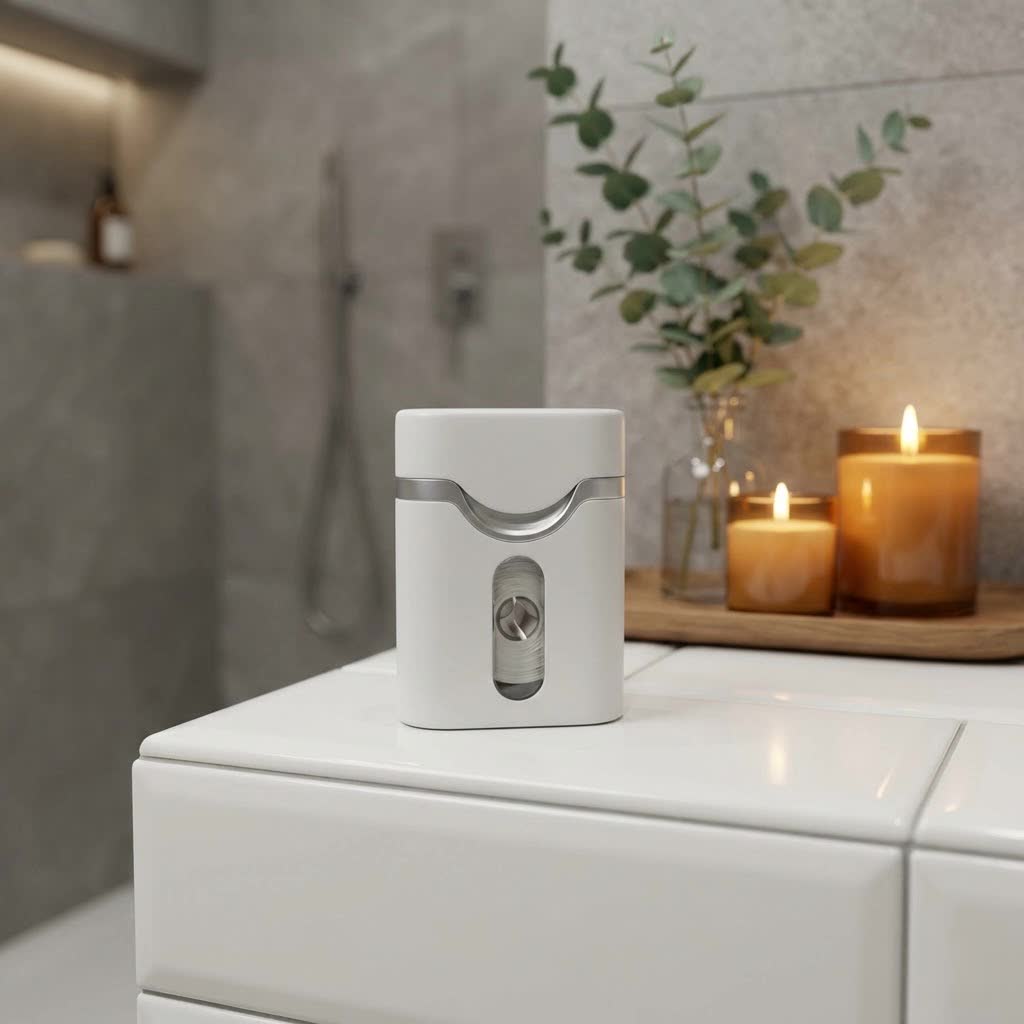
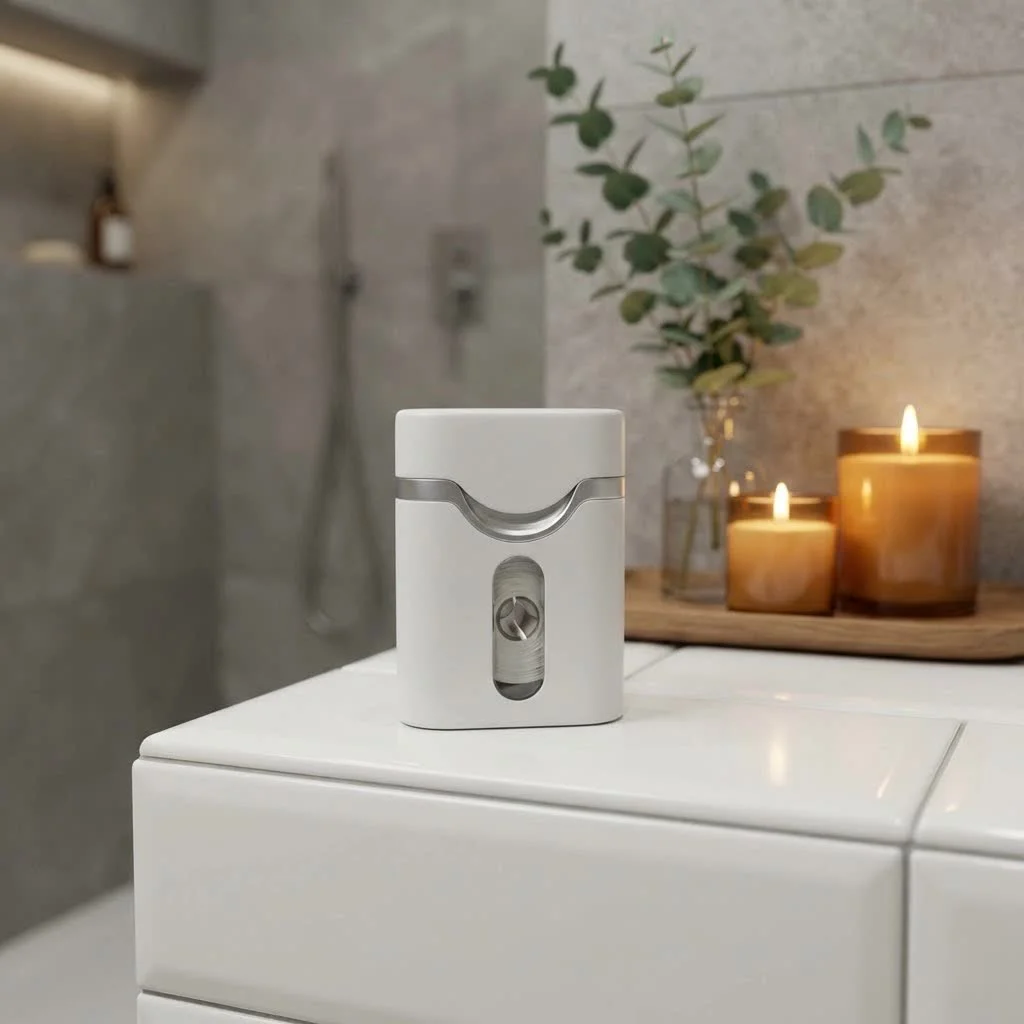
- Reusable Floss Holders: These innovative tools feature a sturdy handle designed for repeated use. Users load a fresh piece of traditional floss string into the holder for each flossing session, and then dispose of only the small segment of used floss. This significantly reduces plastic waste compared to fully disposable picks, as the handle is reused indefinitely. The “Friendly Floss” tool, for instance, is a simple reusable holder that allows you to load and tension your own floss for effective cleaning.
Eco-Friendly and Biodegradable Floss Options (Sustainable Single-Use)
For those prioritizing environmental responsibility, several brands offer floss that is biodegradable or compostable, often housed in refillable, plastic-free dispensers. While the floss strands themselves are still single-use, their natural composition ensures they break down without lingering in landfills for centuries.
- Silk Floss: Made from 100% natural mulberry silk, it is often coated with natural waxes like candelilla wax (vegan) or beeswax.
- Pros: Fully biodegradable and compostable, gentle on gums, effective cleaning. Often comes in reusable glass or stainless steel dispensers.
- Cons: Not always vegan if coated with beeswax (check for candelilla wax options); may break more easily than synthetic floss for some users.
- Brands: Etee Gently Minted Waxed Silk Dental Floss, RADIUS Silk Floss, TreeBird Biodegradable Floss.
- Bamboo Charcoal Floss: Made from bamboo charcoal fiber, a plant-based material.
- Pros: Vegan, biodegradable, often has antibacterial properties from charcoal, comes in refillable packaging. Good quality and less shredding.
- Cons: Some brands might have a subtle “medicinal” flavor; can be thicker, requiring more effort for very tight teeth.
- Brands: EcoRoots Zero Waste Dental Floss (bamboo fiber with activated charcoal), Me Mother Earth Bamboo Floss, Boonboo Bamboo Charcoal Floss.
- PLA (Corn-Based) Floss: Made from Polylactic Acid (PLA), a plant-based bioplastic derived from corn starch.
- Pros: Vegan, compostable, often coated with candelilla wax for smooth gliding. Reduces reliance on fossil-fuel-based plastics.
- Cons: While biodegradable, some bioplastics require industrial composting facilities to break down effectively; may be thicker than some traditional flosses.
- Brands: EcoRoots Vegan Eco Floss (corn-based), Georganics Vegan Compostable Floss, Bite (PLA plant-based bioplastic).
- Straw Wheat Floss Picks: Features handles made from compostable straw wheat with biodegradable nylon-4 floss thread.
- Pros: Plastic-free handles, soft on gums, thin thread for effective cleaning, often comes in travel-sized containers.
- Cons: The floss thread (nylon-4) is still petroleum-based, though biodegradable; some users find it challenging for extremely tight teeth.
- Brands: Smart Life Eco Biodegradable Dental Floss.
- Refillable Floss Systems: Many eco-friendly flosses come in durable, reusable dispensers (glass, metal, or bamboo) that you keep and simply purchase floss refills for. This is a key aspect of “reusable dental floss” in the context of reducing waste, as the container itself is reused.
Advanced Reusable Interdental Cleaning Tools
These tools offer genuinely reusable alternatives to traditional string floss, providing thorough cleaning without daily waste.
- Water Flossers: Electric devices that use a stream of high-pressure water to remove plaque and food particles from between teeth and below the gumline.
- Pros: Highly effective for cleaning around braces, implants, and other dental work; massages gums; reusable device with multiple tips for family use; many are ADA approved.
- Cons: Initial cost is higher than floss; requires electricity and water; can be bulky for travel; does not provide the same tactile scraping action as string floss.
- Example: Waterpik Aquarius Water Flosser.
- Interdental Brushes: Small, reusable brushes designed to clean the spaces between teeth. They come in various sizes to fit different gap widths.
- Pros: Effective for removing plaque and food debris, especially in larger gaps; many feature sustainable bamboo handles; reusable after rinsing.
- Cons: May be too wide for very tight teeth; bristles are typically nylon (though handles can be eco-friendly).
- Example: Isshah Biodegradable Bamboo Handle Interdental Brushes.
- Metal Dental Picks: While requiring caution due to their sharpness, these tools can be used for at-home cleaning and are often dishwasher-safe for sanitation. These are often used by dental hygienists.
Comparison of Dental Floss and Reusable Alternatives
To help you choose, here’s a detailed comparison of popular options:
| Feature | Traditional Nylon Floss | Reusable Floss Holders | Biodegradable Floss (Silk, Bamboo, PLA) | Water Flossers | Interdental Brushes |
|---|---|---|---|---|---|
| Material | Nylon, Teflon | Reusable handle (plastic/metal), disposable floss | Silk, bamboo charcoal, PLA bioplastic | Plastic/metal device | Bamboo handle, nylon bristles |
| Reusability | None (single-use) | Handle is reusable, floss is disposable | Floss is single-use, packaging often refillable/reusable | Device is reusable | Reusable brushes |
| Durability | Varies (shredding common) | Handle is durable, floss varies | Good, less prone to shredding (silk may be delicate) | Device is very durable | Varies by size and material |
| Cleaning Power | Good | Good | Good | Excellent, especially for braces/implants | Good, especially for wider gaps |
| Ease of Use | Can be awkward to maneuver | Easier than string floss | Similar to traditional floss | Easy once accustomed | Easy, but needs correct size |
| Cost | Low | Moderate initial cost, low refill cost | Moderate initial cost, low refill cost | High initial cost, no ongoing floss cost | Low-moderate, reusable for some time |
| Environmental Impact | High (plastic waste, PFAS) | Low (only floss disposed) | Low (compostable/biodegradable floss, refillable packaging) | Low (long-lasting device, reduced waste) | Moderate (reusable handle, nylon bristles) |
| Key Benefit | Widely available, familiar | Convenience, reduced plastic waste | Sustainable materials, zero-waste packaging | Comprehensive cleaning, gum massage | Targeted cleaning for specific gaps |
How to Use Dental Floss Correctly
Proper technique is essential for effective flossing, regardless of the type you choose.
Preparation Before Flossing
For string floss (including biodegradable types):
- Break off about 18 inches (45 cm) of floss.
- Wind most of it around the middle finger of one hand, and the rest around the middle finger of the other hand. This allows you to spool out fresh floss and take up used floss.
- Hold a 1-2 inch (2.5-5 cm) section of floss taut between your thumbs and forefingers.
For reusable floss holders:
- Load a fresh piece of floss into the holder according to the manufacturer’s instructions.
- Ensure the floss is taut.
For water flossers:
- Fill the reservoir with lukewarm water.
- Select the appropriate tip.
- Adjust the pressure setting (start low).
For interdental brushes:
- Choose a brush size that fits snugly but comfortably between your teeth without forcing it.
Flossing Technique
- Gently Guide: For string floss, use a gentle sawing motion to slide the floss between your teeth. Avoid snapping it down, which can injure your gums. For floss holders, position the floss similarly. Water flossers should be aimed at the gumline at a 90-degree angle. Interdental brushes are gently pushed into the space between teeth.
- Curve and Clean: Once the floss reaches the gumline, curve it into a “C” shape against one tooth. Slide it gently up and down, cleaning below the gumline. Repeat for the adjacent tooth. For water flossers, move along the gumline, pausing briefly between teeth. For interdental brushes, gently move it back and forth a few times.
- Use a Clean Section: For string floss, unroll a fresh section of floss from one finger and wind the used section onto the other as you move from tooth to tooth. This ensures you’re always using a clean surface. For reusable floss holders, you typically use a fresh segment of floss for each session, or for the entire mouth, then dispose of the used floss.
- Repeat: Continue this process for all teeth, including the back surfaces of your last molars.
- Rinse: After flossing, rinse your mouth thoroughly with water or mouthwash to remove dislodged plaque and food particles.
Common Flossing Mistakes and How to Fix Them
- Snapping Floss: Can damage gums. Always use a gentle, controlled sawing motion.
- Not Flossing Below the Gumline: Much of the plaque hides here. Ensure the floss gently curves under the gumline.
- Using the Same Floss Section: Reusing a dirty section of floss simply moves bacteria around. Always use a clean section for each tooth, or replace the floss head/discard the string.
- Flossing Too Hard: Can lead to gum recession or bleeding. Be gentle; flossing should not be painful. If bleeding persists, consult your dentist.
Flossing Frequency
Dental professionals recommend flossing at least once a day, preferably before brushing, to remove trapped food and plaque.
Where to Purchase Reusable Dental Floss and Eco-Friendly Options
Finding sustainable flossing solutions is becoming easier as consumer awareness grows.
- Online Retailers: Amazon, Etsy, and dedicated eco-friendly product websites (like Ecosguide, SustainableSlice, TheRoundup.org) offer a wide selection of biodegradable floss brands and reusable tools. Many brands sell directly from their websites.
- Health Food Stores and Specialty Shops: These stores often stock a curated selection of natural and eco-friendly personal care products, including sustainable dental floss.
- Pharmacies and Supermarkets: While less common, some mainstream pharmacies and supermarkets are starting to carry eco-friendly dental floss options, though selection may be limited.
Prices for eco-friendly and reusable options can vary. Biodegradable floss in a refillable container might have a higher initial cost than a plastic dispenser of traditional floss, but refills are often more economical in the long run. Water flossers and high-quality reusable floss holders represent a larger upfront investment but eliminate continuous repurchase of disposable floss.
Buying Guide: Factors to Consider When Choosing Reusable Dental Floss
Selecting the right reusable or eco-friendly dental floss involves considering your individual needs and values.
Type of Flossing Solution
- For reduced waste with traditional floss: Consider a reusable floss holder that uses small, disposable segments of conventional floss.
- For fully biodegradable floss: Opt for silk, bamboo charcoal, or PLA floss in refillable containers.
- For a tool-based approach: Explore water flossers or interdental brushes for a completely reusable solution to interdental cleaning.
Material of the Floss Itself
- Silk: Natural, biodegradable, and compostable (ensure candelilla wax for vegan).
- Bamboo Charcoal/PLA: Plant-based, biodegradable, and vegan.
- Nylon-4 (in some eco picks): Biodegradable, but still petroleum-derived.
- Avoid: Traditional nylon and Teflon floss (often contains PFAS) for environmental and potential health reasons.
Packaging
- Look for reusable containers (glass, stainless steel, bamboo) with refill options.
- Ensure packaging is recyclable or compostable (e.g., kraft paper, cardboard).
- Prioritize plastic-free packaging.
Brand Reputation and Certifications
- Choose brands committed to sustainability, transparency in ingredients, and ethical practices.
- Look for certifications like USDA Organic, PETA Beauty Without Bunnies, Certified B Corp, or 1% For The Planet membership.
Flavor and Texture
- Eco-friendly floss comes in various flavors (mint, orange, charcoal) or unscented. Choose what you prefer.
- Consider thickness and coarseness based on your teeth spacing and sensitivity. Thicker floss can be more effective for larger gaps, while thinner floss is better for tight contacts.
Price and Value
- Calculate the long-term cost, including refills, to determine true value.
- A higher initial investment in a durable reusable tool often leads to savings and less waste over time.
Top 3 Reusable/Eco-Friendly Dental Floss Options (Review Detail)
Based on effectiveness, sustainability, and user experience, here are a few highly-regarded options that align with the “reusable” and “eco-friendly” ethos:
-
Etee Gently Minted Waxed Silk Dental Floss
- Pros: 100% Mulberry silk, fully biodegradable and compostable. Comes in a reusable stainless steel or glass container with a cutter, with refills available. Pleasantly refreshing peppermint flavor. Strong and durable, doesn’t shred. Reduces plastic waste significantly.
- Cons: Not vegan due to beeswax coating (though candelilla wax options exist from other brands). Initial cost slightly higher than conventional floss.
- Price: ~ $15 for initial kit, refills ~ $8-10.
- User Reviews: Users consistently praise its durability, effectiveness, and the quality of the reusable dispenser. Many appreciate contributing to a plastic-free lifestyle.
-
Me Mother Earth Vegan Biodegradable Bamboo Charcoal Dental Floss
- Pros: Vegan, 100% biodegradable bamboo charcoal fiber, breaks down in 60-90 days. Comes in a refillable glass container. Subtle minty flavor, good quality, and resistant to shredding. Reduces plastic waste.
- Cons: Some users find the flavor a bit medicinal. Can be slightly pricier than some alternatives.
- Price: ~ $12 for initial kit, refills available in multi-packs for better value.
- User Reviews: Highly rated for its eco-credentials, effectiveness, and the convenience of the refillable packaging. Users note its strength and pleasant flossing experience.
-
Waterpik Aquarius Water Flosser
- Pros: A truly reusable electric device that replaces string floss entirely. Clinically proven to remove up to 99.9% of plaque and significantly improve gum health, especially beneficial for braces, implants, and bridges. Durable and ADA accepted. Can be used by multiple family members with different tips.
- Cons: Higher upfront investment. Requires counter space and electrical outlet. Doesn’t offer the tactile feedback of string floss for some users.
- Price: ~ $70-100.
- User Reviews: Many users report a superior feeling of cleanliness and improved gum health after switching to a Waterpik. It’s particularly lauded for ease of use and effectiveness in difficult-to-reach areas.
“Switching to reusable or biodegradable dental floss is a small change with a monumental impact on both your oral health and the environment. It’s about making conscious choices for a healthier future.” – Dr. Emily R. Carter, DDS, Environmental Dentistry Advocate
Conclusion
Embracing reusable dental floss and eco-friendly alternatives is a powerful step towards more sustainable living without compromising your oral hygiene. From innovative reusable floss holders that minimize plastic waste to fully biodegradable floss made from natural materials, and advanced water flossers that offer a zero-waste cleaning solution, the options are diverse and effective. By choosing products that align with your values, you contribute to a healthier planet while ensuring your smile remains bright and free from plaque and disease.
What small step will you take today to make your flossing routine more sustainable?
Frequently Asked Questions
Is reusable dental floss as effective as traditional floss?
Yes, many reusable dental floss options and eco-friendly alternatives are just as effective, if not more so, than traditional floss. Reusable floss holders, biodegradable floss, water flossers, and interdental brushes are designed to remove plaque and food particles efficiently when used correctly.
Can I actually wash and reuse a regular dental floss string?
No, dental professionals strongly advise against washing and reusing regular dental floss strings or disposable floss picks. This practice is unhygienic and can reintroduce bacteria into your mouth, potentially leading to infections or other oral health issues.
How long does biodegradable dental floss take to decompose?
Biodegradable dental floss made from materials like silk, bamboo charcoal, or PLA typically breaks down much faster than traditional nylon floss. Silk and bamboo floss can decompose in a compost bin within a few months, while nylon can take 50-80 years, and plastic floss picks can take over a thousand years.
Are water flossers truly “reusable dental floss” alternatives?
Yes, water flossers are excellent reusable alternatives for interdental cleaning. The device itself is designed for long-term use, and while they don’t use a “floss string,” they effectively clean between teeth and along the gumline using a stream of water, thereby eliminating the daily waste associated with string floss.
What are PFAS, and why should I avoid them in dental floss?
PFAS (per- and polyfluoroalkyl substances) are “forever chemicals” sometimes used as non-stick coatings in traditional dental floss to help it glide easily. These chemicals have been linked to various health issues, including altered metabolism, reduced fertility, and increased cancer risk. Opting for PFAS-free biodegradable floss avoids this concern.
Get our weekly buyer guide
Practical specs, not advice. Unsubscribe anytime.

I appreciate the effort to go green, but I found the initial investment for some of the reusable floss systems a bit high for my budget. I tried a silk floss, and while it works fine, it’s not quite as smooth as my usual plastic floss. I’ll keep looking for a more affordable and equally effective eco-friendly option.
I’ve been trying to reduce my plastic waste, and this guide really helped me find some great options. I ended up trying one of the reusable floss tools mentioned, and it’s been a game-changer. My teeth feel just as clean, and I love knowing I’m not contributing to more landfill waste. Definitely recommend exploring these eco-friendly alternatives!
Finally, a clear breakdown of sustainable oral care! I’ve been wanting to switch from traditional floss for a while but felt overwhelmed by the choices. The explanation of how dental floss removes plaque and food particles from under the gumline really reinforced why I need to keep flossing, and now I can do it guilt-free with a compostable option.
I was skeptical about biodegradable floss at first, thinking it wouldn’t be as strong. But after reading about the different materials, I decided to give a corn starch-based one a shot. It holds up surprisingly well and doesn’t shred like some conventional flosses I’ve used. It’s a small change, but every bit helps for a healthier planet.