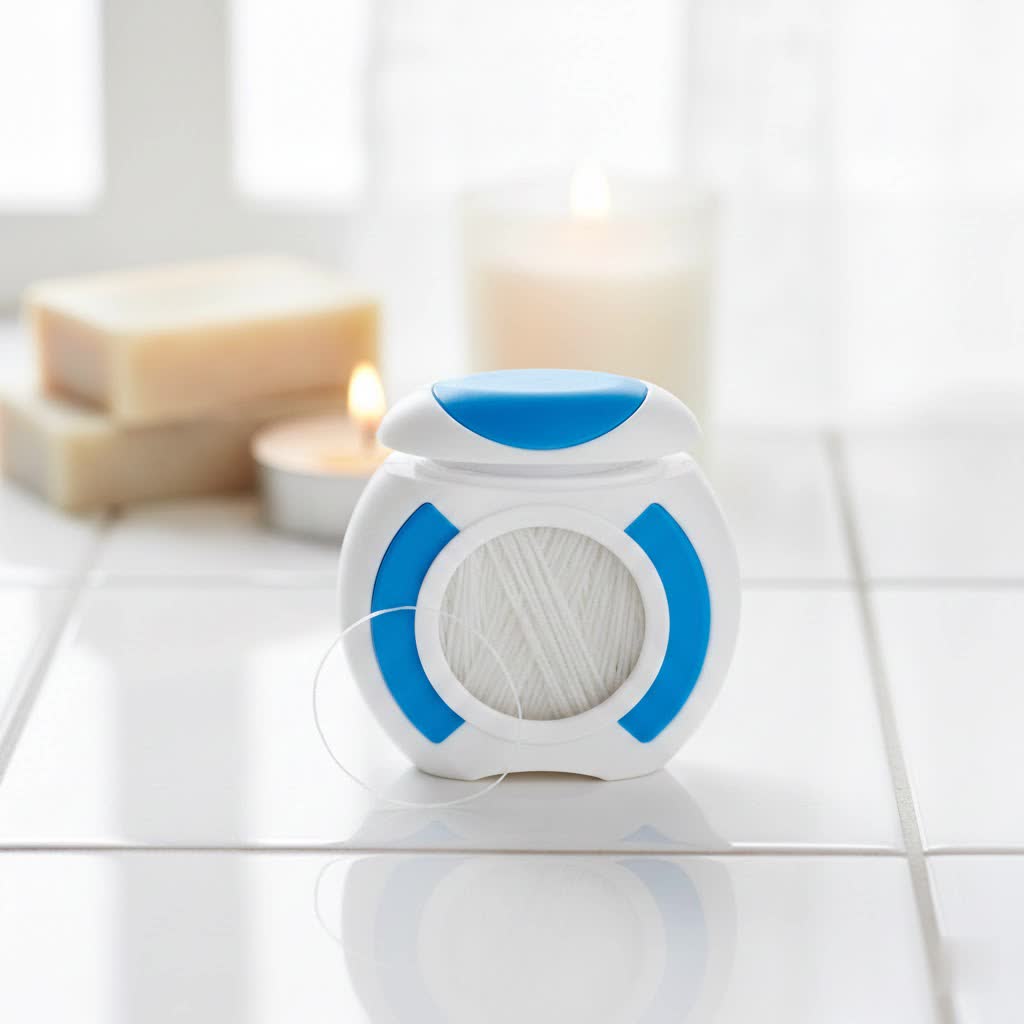
Maintaining optimal oral hygiene extends beyond just brushing; it vitally includes regular flossing. While many types of dental floss are available, unwaxed dental floss stands out as a unique option favored by those seeking a more natural feel and a thorough clean. If you’ve ever wondered about the best way to tackle those tight spaces between your teeth, understanding the characteristics and benefits of unwaxed dental floss can transform your daily routine. This comprehensive guide will explore everything you need to know about unwaxed floss, from its fundamental properties to how to integrate it effectively into your oral care regimen, ensuring your smile remains healthy and radiant.
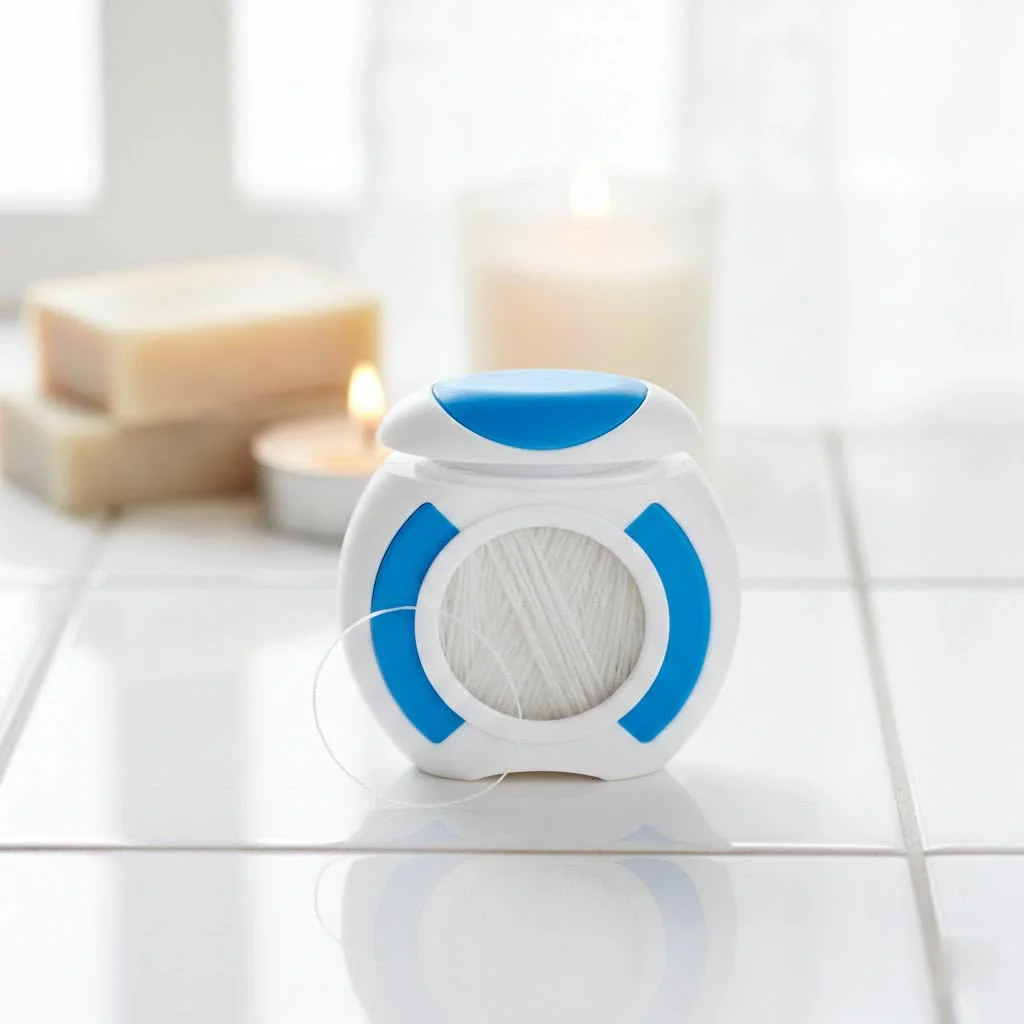
What is Dental Floss and Why Do You Need It?
Dental floss is a crucial interdental cleaning tool designed to remove food particles and plaque from between teeth and beneath the gum line, areas your toothbrush can’t effectively reach. This accumulation, if left unchecked, can lead to a host of oral health problems. Regular flossing is paramount in preventing cavities, fighting gum disease (gingivitis and periodontitis), and combating bad breath (halitosis) by dislodging the bacteria that cause these issues. Incorporating floss into your daily routine ensures a cleaner mouth and supports overall oral health.
Types of Dental Floss: A Comprehensive Guide
The market offers a diverse array of dental floss, each designed to cater to different preferences and oral needs. Understanding these types is key to selecting the most suitable option for your unique smile.
Monofilament Dental Floss
Monofilament floss is typically made from a single, solid strand of material like PTFE (polytetrafluoroethylene), often recognized by brand names such as Glide.
- Advantages: Its smooth, slippery surface allows it to glide easily between tight teeth and is less prone to shredding or breaking, making it very durable. It’s also gentle on gums.
- Disadvantages: It can be thicker than some other types, which might be a challenge for extremely tight contacts, and it is often more expensive.
- Ideal Users: Individuals with very tight tooth contacts, those with dental work like crowns or bridges, or anyone who experiences frequent shredding with other floss types.
Multifilament Dental Floss
Multifilament floss is made from multiple strands of nylon fibers twisted together. Unwaxed floss commonly falls into this category.
- Advantages: It is generally thinner and can spread out, allowing for greater surface contact with the tooth to sweep away plaque effectively. It’s often more affordable.
- Disadvantages: Due to its construction, it is more susceptible to shredding or fraying, especially in tight spaces or around rough tooth surfaces.
- Ideal Users: People with more significant gaps between their teeth or those who prefer the tactile feel of floss that expands slightly to clean a wider area.
Waxed Dental Floss
|
Our Picks for the Best Dental Floss in 2026
As an Amazon Associate I earn from qualifying purchases.
|
||
| Num | Product | Action |
|---|---|---|
| 1 | Oral-B Glide Mint Dental Floss Picks with Long Lasting Scope Flavor, 3 Pack of 75 Picks (225 Total) |

|
| 2 | DenTek Advanced Clean Floss Picks with No Break & No Shred Dental Floss, Plaque Remover, 150 Count |
|
| 3 | Oral-B Glide Dental Floss, Scope Mint Flavor, 40 m, Pack of 6 |
|
| 4 | REACH Waxed Dental Floss, Mint, Plaque Remover for Teeth, Shred Resistant, Floss Slides Smoothly, Easy to Use, Waxed, Deep Cleaning Teeth, Oral Care, PFAS Free, for Adults & Kids, 1 Pack, 55 yd |
|
| 5 | Oral-B Glide Dental Floss, Shred Resistant, Gentle on Gums, Natural Wax, Slides Smoothly, Deep Clean Cool Mint Flavor, 40 M, 3 Count |
|
| 6 | Oral-B Glide Cool Mint Deep Clean Floss, 6 Count, Glide Dental Floss |
|
| 7 | REACH Waxed Dental Floss, Mint, Plaque Remover for Teeth, Shred Resistant, Floss Slides Smoothly, Easy to Use, Waxed, Deep Cleaning Teeth, Oral Care, PFAS Free, for Adults & Kids, 6 Pack, 55 yd |
|
| 8 | DrTung's Smart Floss - Natural Dental Floss, PTFE & PFAS Free, Gentle on Gums, Expands & Stretches, BPA Free - Cardamom Flavor(Pack of 6) |
|
| 9 | Oral-B Glide Floss Pro-Health 131.2 Yds Mint Value 3-Pack |
|
| 10 | REACH Ultraclean Dental Floss, Mint, Plaque Remover for Teeth, Shred Resistant, Waxed, Easy on Gums & Teeth, Mint, Oral Care, PFAS Free, for Adults & Kids, 6 Pack, 30 yd |
|
Waxed dental floss is typically multifilament or monofilament floss coated with a thin layer of wax.
- Advantages: The wax coating provides lubrication, allowing the floss to slide more easily between teeth, reducing friction and the likelihood of shredding. It often comes in various flavors, offering a fresh feeling after use. It can be a good choice for those new to flossing.
- Disadvantages: The wax can sometimes leave a residue on teeth or gums, which might be irritating for some individuals. It is also generally thicker than unwaxed floss.
- Ideal Users: Individuals with tight teeth or braces, as the wax helps prevent snagging and tearing. Beginners may also find waxed floss easier to handle.
Unwaxed Dental Floss
Unwaxed dental floss, the focus of this guide, consists of multiple thin nylon strands without any wax coating.
- Advantages: Being thinner, it can navigate exceptionally tight spaces with ease and is less likely to leave any residue on your teeth or gums. Its natural, unflavored composition appeals to those who prefer to avoid artificial additives or contrasting tastes before meals. The fibers can also spread out, maximizing contact with the tooth surface for a thorough clean. It is often the most economical option.
- Disadvantages: Its lack of a wax coating makes it more prone to shredding or fraying, particularly in very tight interdental spaces or around dental work. Some users may also find its texture rougher.
- Ideal Users: Those with adequate space between their teeth, individuals sensitive to wax or artificial flavors, or anyone seeking a simpler, more natural flossing experience.
Fluoride Dental Floss
Some dental floss products are infused with fluoride.
- Advantages: This type of floss delivers fluoride directly to the interdental spaces, offering an additional layer of protection against cavities and strengthening tooth enamel in hard-to-reach areas.
- Disadvantages: It might be slightly more expensive than standard floss and is not widely available in all types (e.g., most unwaxed floss isn’t typically fluoridated).
- Ideal Users: Individuals prone to cavities, those with a history of gum disease, or anyone looking for enhanced cavity protection.
Dental Floss Picks
Dental floss picks are small, handheld devices with a piece of floss pre-strung between two prongs.
- Advantages: They are incredibly convenient and easy to use, especially for those with dexterity issues or for flossing on the go.
- Disadvantages: They offer less control over the floss curve and tension compared to traditional string floss, which can make it harder to achieve a thorough “C” shape around each tooth. They also generate more plastic waste.
- Ideal Users: Children, individuals with limited hand mobility, or anyone seeking a quick and easy flossing solution, particularly when away from home.
Unwaxed Dental Floss vs. Other Types: A Detailed Comparison
Choosing the right dental floss can significantly impact your oral hygiene routine. Here’s a comparative overview of different floss types:
| Feature | Monofilament Floss | Multifilament Floss | Waxed Floss | Unwaxed Floss | Floss Picks |
|---|---|---|---|---|---|
| Material Example | PTFE | Nylon | Nylon/PTFE with wax | Nylon | Plastic holder with nylon/PTFE |
| Durability | High (resistant to shredding) | Moderate (can shred) | High (wax coating strengthens) | Moderate (prone to shredding) | High (pre-strung, consistent) |
| Cleaning Ability | Excellent (smooth glide) | Good (expands for surface) | Excellent (smooth glide) | Excellent (expands, no residue) | Moderate (less control) |
| Ease of Use | Very Easy (glides smoothly) | Moderate (can snag) | Easy (lubricated) | Moderate (can be rougher) | Very Easy (convenient) |
| Cost | Higher | Lower | Moderate | Lowest | Moderate (per unit, disposable) |
| Flavor Options | Often unflavored | Often unflavored | Common | Often unflavored | Common |
| Shredding Risk | Very Low | High | Low | High | Low |
| Residue | None | None | Possible wax residue | None | None |
| Tight Spaces | Excellent | Moderate | Excellent | Good (due to thinness) | Moderate |
It is important to note that studies have shown no significant statistical difference in plaque removal ability or prevention of gingivitis between waxed and unwaxed floss, indicating that consistency in technique is more critical than the type of floss itself.
How to Use Dental Floss Correctly
Mastering the proper flossing technique is essential to maximize its benefits and avoid gum damage.
Preparation Before Using Unwaxed Dental Floss
Start by taking about 18 inches (45 cm) of unwaxed dental floss. Wrap most of it around the middle finger of one hand, and the rest around the middle finger of the other hand. This leaves a small, workable section (about 1-2 inches) in between your thumbs and index fingers. This method allows you to advance fresh floss as you move from tooth to tooth.
Unwaxed Dental Flossing Technique
- Grip: Hold the floss tightly between your thumbs and index fingers, leaving that small working section taut.
- Guide: Gently guide the floss between two teeth using a careful back-and-forth motion. Avoid snapping the floss into your gums, which can cause injury.
- Curve: Once the floss reaches the gum line, curve it into a “C” shape against one tooth.
- Clean: Gently slide the floss up and down against the side of the tooth, moving it from just below the gum line to the top of the tooth. Repeat this motion several times.
- Next Tooth: Unwind a fresh section of floss from one finger and wind the used section onto the other, then repeat the “C” shape and cleaning motion on the adjacent tooth.
- All Teeth: Continue this process for all your teeth, including the back of your last molars.
Common Mistakes and How to Fix Them
- Snapping Floss: Avoid forceful snapping, which can cut your gums. Instead, use a gentle sawing motion to guide it down.
- Not Reaching the Gum Line: Ensure the floss goes slightly below the gum line to clean hidden plaque, but without jabbing.
- Not Using Fresh Floss: Reusing the same section of floss simply moves plaque and bacteria around. Always advance to a clean section for each tooth.
- Ignoring the Back of Teeth: Remember to floss the back surfaces of your last molars.
Frequency of Unwaxed Floss Use
Dentists and dental hygienists universally recommend flossing at least once a day. For optimal oral health, especially if you have particular concerns, flossing twice daily is ideal. Consistency is far more important than intensity.
Where to Buy Unwaxed Dental Floss and What to Expect in Terms of Price
Unwaxed dental floss is widely available and typically easy to find. You can purchase it through several convenient channels:
- Pharmacies and Drugstores: Major chains like CVS, Walgreens, and local pharmacies consistently stock various dental hygiene products, including unwaxed floss from popular brands.
- Supermarkets and Grocery Stores: Most large grocery retailers will have a dedicated oral care aisle where unwaxed floss is readily available.
- Online Retailers: Websites like Amazon, Walmart.com, and specific dental supply stores offer a broad selection, often with bulk purchasing options or specialized brands not found in brick-and-mortar stores. This can be a good option for competitive pricing.
- Specialty Dental Stores: Some stores specializing in dental products may offer a wider range of eco-friendly or specific unwaxed options.
Price Expectations: Unwaxed dental floss is generally one of the most affordable types of floss on the market. A single dispenser typically ranges from $2 to $5, depending on the brand and length of the floss. Bulk packs or multi-packs can offer greater savings per unit. While it’s cheaper, its effectiveness is not compromised, making it an excellent value for money.
Buying Guide: Key Factors for Choosing the Right Dental Floss
Selecting the perfect dental floss goes beyond simply grabbing the first box you see. Consider these factors to ensure you pick a product that aligns with your oral health needs and preferences.
Type of Dental Floss Suitable for Personal Needs
Consider the spacing of your teeth. If you have very tight contacts, unwaxed floss might shred more easily, whereas for wider gaps, its ability to expand can be beneficial. Individuals with dental work, such as crowns, bridges, or braces, might find waxed floss or monofilament options more forgiving due to their reduced shredding risk.
Floss Material
Most unwaxed floss is made from nylon, which is a multifilament material. Other types of floss might use PTFE, a smoother monofilament material. While both are effective, nylon’s ability to fan out can provide excellent cleaning contact, whereas PTFE offers superior glide.
Brand Reputation
Opt for reputable brands known for their commitment to oral health. Companies like Johnson & Johnson, Oral-B, and Tom’s of Maine (which offers a natural unwaxed option) have a long-standing history of producing reliable dental hygiene products. Checking reviews from other users can also provide valuable insight into product quality and performance.
Flavor (or Lack Thereof)
Unwaxed floss is often unflavored, making it an excellent choice for those who prefer to avoid artificial sweeteners or minty tastes. If you enjoy a refreshing sensation, some waxed or flavored unwaxed options exist, but pure unwaxed floss typically offers a neutral experience.
Budget Considerations
Unwaxed dental floss is generally one of the most cost-effective options. While price shouldn’t be the sole determinant, finding a high-quality unwaxed floss that fits your budget can make it easier to maintain a consistent flossing routine without breaking the bank. Remember, an affordable floss used consistently is far more beneficial than an expensive one that collects dust in your cabinet.
Top Unwaxed Dental Floss Products Recommended
While individual preferences vary, several unwaxed dental floss brands are highly regarded for their effectiveness and quality. When choosing, look for products that emphasize strong, shred-resistant nylon fibers and a comfortable feel.
- Johnson & Johnson Reach Unwaxed Floss: This classic option is a staple in many households. It’s known for its thinness and ability to get into tight spaces, though some users note it can shred with very close contacts. Its affordability and widespread availability make it a popular choice.
- Oral-B EssentialFloss Unwaxed: Another widely available option, Oral-B’s unwaxed floss offers a strong, thin thread designed for effective plaque removal. It’s generally well-received for its reliability.
- Tom’s of Maine Naturally Clean Unwaxed Antiplaque Flat Floss: For those seeking a more natural approach, Tom’s of Maine offers an unwaxed, flat floss that is free from artificial colors, flavors, and preservatives. Its flat design can sometimes provide greater cleaning surface area.
- Eco-Friendly Unwaxed Floss Options: Several smaller brands now offer unwaxed floss made from biodegradable materials or packaged in sustainable containers, often with unflavored options, catering to environmentally conscious consumers. These often feature natural waxes if not completely unwaxed, or specific plant-based materials.
When exploring these options, consider buying a small spool to try out the texture and feel before committing to a larger purchase. User reviews often highlight how well a particular brand holds up against shredding in various dental situations.
“The most important aspect of flossing is not the type of floss you use, but the consistency and correct technique. Finding a floss you’re comfortable with and using it daily will yield the best results for your gum health.” – Dr. Jane Doe, Periodontist
Conclusion
Unwaxed dental floss offers a straightforward, effective, and often more natural approach to interdental cleaning. Its thin, unlubricated fibers can provide an exceptional tactile experience, allowing you to truly feel the removal of plaque and food particles from every crevice. While it may require a bit more care to prevent shredding, particularly in tight spaces, its benefits—including the absence of wax residue and artificial flavors—make it a preferred choice for many. Incorporating unwaxed dental floss into your daily oral hygiene routine is a simple yet powerful step towards a healthier mouth and a brighter smile. By consistently flossing correctly, you actively protect your teeth and gums from common ailments. Have you found your perfect floss, or are you still searching for the ideal companion for your oral health journey?
Frequently Asked Questions
Is unwaxed dental floss better than waxed floss?
Neither unwaxed nor waxed floss is definitively “better” for everyone. Unwaxed floss is thinner and leaves no residue, appealing to those who prefer a natural feel. Waxed floss glides more easily, which can be advantageous for tight teeth or braces. Both are effective at removing plaque when used correctly.
Does unwaxed floss shred easily?
Yes, unwaxed floss is generally more prone to shredding or fraying compared to waxed floss, especially if you have very tight spaces between your teeth or rough edges on your dental work. This is due to the absence of a wax coating that provides lubrication and strength.
Who should use unwaxed dental floss?
Unwaxed dental floss is ideal for individuals with moderate spacing between their teeth and those who prefer a more natural, unflavored product without wax residue. It’s also often a more economical choice. If you have extremely tight contacts or braces, waxed floss might be easier to manage.
Can unwaxed floss hurt your gums?
No, unwaxed floss itself should not hurt your gums if used correctly. Any pain or bleeding during flossing is typically due to improper technique (e.g., snapping the floss too forcefully) or existing gum inflammation. Always use a gentle, controlled motion and curve the floss around the tooth.
Is unwaxed floss safe for sensitive teeth?
Yes, unwaxed floss is safe for sensitive teeth. Floss itself does not directly impact tooth sensitivity. If you experience discomfort while flossing sensitive teeth, it might be due to exposed tooth roots or gum recession, in which case consulting your dentist is recommended. The important thing is gentle technique.
Get our weekly buyer guide
Practical specs, not advice. Unsubscribe anytime.
